
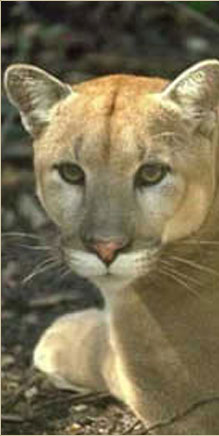
The two highest causes of mortality for the Florida panthers include automobile accidents and agression between panthers for territory.
|
|
|
|
|
|
|
|
|
|
|
|
|
|
|
|
|
|
|
|
|
|
|
|
|
|
|
|
|
|
|
|
|
|
|
|
|
|
|
|
|
|
| Endangered Species | |||||||||||||||||||||||||||||||||||||||||
| Florida Panther | |||||||||||||||||||||||||||||||||||||||||
|
|||||||||||||||||||||||||||||||||||||||||
| The Florida Panther lives in South Florida in low pinelands, palm forests and swamps. The Florida Panther is in serious threat of becoming extinct with only 30 to 50 adults left, most of which are old or genetically impaired. As Southwest Florida continues to grow, the panther's habitat is becoming increasingly smaller in size. The two highest causes of mortality for the Florida panthers include automobile accidents and agression between panthers for territory. |
|||||||||||||||||||||||||||||||||||||||||
| West Indian Manatee | |||||||||||||||||||||||||||||||||||||||||
|
|||||||||||||||||||||||||||||||||||||||||
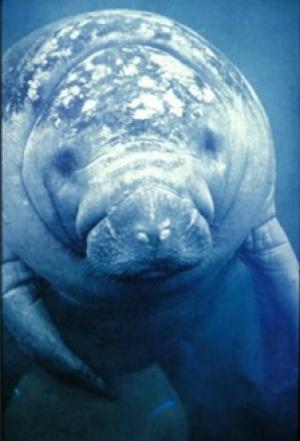
| West Indian Manatees can be found in shallow canals and bays and tend to migrate from Florida to Texas and even Virginia. They are slow-moving creatures which have no natural enemies. Mortalities of manatees are mostly human-related. However, boating is not the only cause of death to the manatee, others include being drowned in canal locks, ingesting fish hooks, litter, becoming entangled in crab trap lines, and the most serious with loss of habitat. There is said to be only 3,000 manatees in the United States left. | |||||||||||||||||||||||||||||||||||||||||
| Wood Stork | |||||||||||||||||||||||||||||||||||||||||
|
|||||||||||||||||||||||||||||||||||||||||
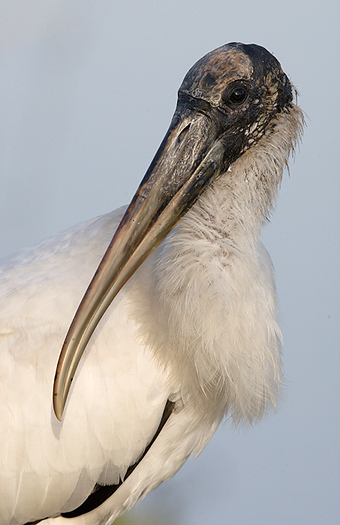
| The habitat of the Woodstork consists of Texas, Georgia, and most commonly in swamps of Southwest Florida. The Woodstork was placed on the endangered species list in 1984 due to declinging numbers as a result of hunters killing these birds for their feathers. Massive population growth has also destroyed the wetlands in which the wood stork lives. The Wood Stork was at one time very abundant with over 60,000 birds in the United States which has declined drastically to about 4,000 mating pairs today. | |||||||||||||||||||||||||||||||||||||||||
| Red Shouldered Hawk | |||||||||||||||||||||||||||||||||||||||||
|
|||||||||||||||||||||||||||||||||||||||||
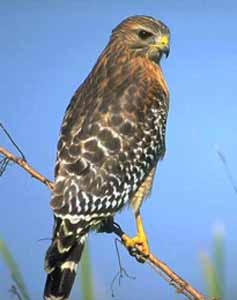
| Red-Shouldered Hawks occupy much of the east coast and are solitary and territorial birds. Before 1900 this bird was one of the most common hawks in North America, but the population declined drastically during the 20th Century because of hunting and destruction of their habitats. Some factors which have led to the declining nubers can be related to poisoning from insecticides, loss of habitats, and disturbance of nesting pairs due to loggoing. | |||||||||||||||||||||||||||||||||||||||||
| Roseate Spoonbill | |||||||||||||||||||||||||||||||||||||||||
|
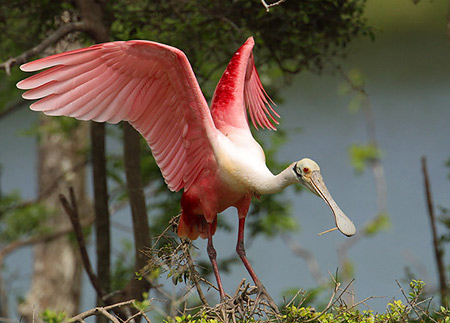
The Roseate Spoonbill lives mostly in South America and along the Gulf Coast of Louisiana and Florida in swamps, lakes, and lagoons. Currently the spoonbill is not threatened, but before World War !! the population declined due to hunting for their meat and thier colorful feathers, as well as destruction to their habitats. At ont point only 20 to 25 mating pairs were present in the United States. | ||||||||||||||||||||||||||||||||||||||||
| Schaus' Swallotail Butterfly | |||||||||||||||||||||||||||||||||||||||||
|
|||||||||||||||||||||||||||||||||||||||||
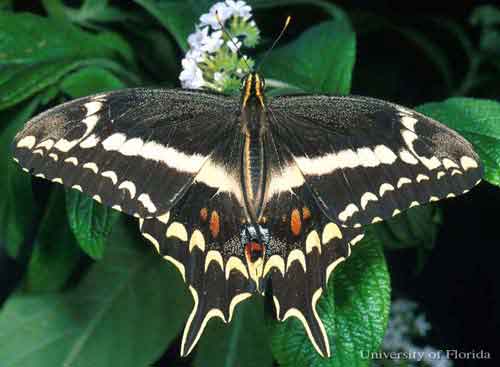
| The Scaus' Swallotail Butterfly lives mainly in the upper Florida Keys and Key Largo. The butterfy's population has decreased and populations have not exceeded 1,000 in over 4 years. Reasons for the decline in population can be related to habitat destruction, overcollecting of larvae, application of insecticides, and extreme climate conditions such as hurricanes. | |||||||||||||||||||||||||||||||||||||||||
| Environmental Threats | How Can We Help? | ||||||||||||||||||||||||||||||||||||||||
| Endangered Species | |||||||||||||||||||||||||||||||||||||||||
| Home | Florida Wildlife Preserves | ||||||||||||||||||||||||||||||||||||||||