 MARS JSC-1 SOIL GROWTH EXPERIMENT
By: Jaimie Boring of CENTRAL MIDDLE SCHOOL, Oroville, Ca.
Contents
 projected analysis of research
Summary
Mars JSC-1 soil growth in a nutshell
|
The purpose of
this experiment is to see the effects of plant growth in various soil samples
trying to be used to grow plant life capable of supporting life on Mars and
other worlds during space exploration. |
Proposed analysis of project
Soils used in test
|
The MARS & LUNAR soil samples were obtained
from NASA at the Johnson Space Center, office of the curator. Two Kg.s of material were
obtained. One is JSC-1 (A MARS simulant soil sample that, for all intents & purposes, is
equivalent to the Mars soil. The way we know this is from data sent back to earth from Pathfinder missions during the late 1990's.) The Lunar sample was also sent to me from JSC and is so close to the same lunar samples that have been returned from the moon that distinguishing them apart is only possible by scientific analysis! The third sample is from a very fertile area in Northern California where record crops of rice are grown. The exact location is given further into this web site. |
Projected Analysis
Schedule of research
Estimated Timeline...
The projected time line will run for
approx. 6 weeks
The first week will be preparation, and set-up
The second week will be preliminary “settling”
of the chambers. (temp stabilization, etc.)
The final four (4) weeks will used to gather
data from the time of ‘planting’ until one plant
grows to the top of the
chamber it is in, or until the four (4) weeks are up. At which time
measurements will be made
and observations made to complete the final report.
Preparation
section description
The preparation
phase consisted of slotting some wooden strips
approx. 2.5” w x 1” h and making it so glass plates would slide into the slots
and be approx. .50-.75 inches apart. (Like an ant farm). The glass was sealed
to the wooden structure so the moisture couldn’t seep out. Each chamber
required four (4) pieces of glass approx. 3.75” x 5.75” x .12” and that totaled
12 pieces in all.
The soil samples were prepared by screening
them to >1 mm in size and baking the sample (Earth soil only) at 350 ° F for 1 hour. (This would sterilize the sample and not allow any
biological factors to enter into the test. NASA also treated the JSC-1 and JSC
sample the same way.) The samples were then carefully poured into the
chamber(s) until the glass area was ½ full. This would allow the plant life to
grow sufficiently to make an accurate comparison. The samples and their
respective chambers were allowed to sit, undisturbed for 2 days before the
introduction of the seeds and water. During the course of the experiment, water
was added by weight and noted in the daily
observation notes section to each chamber equally. The weight of each
chamber is noted empty (tare weight), and then after the soil samples were
added (gross weight), and during the growing phase after water was added per
the schedule (operational weight)
Current Projects
Acquisition of
materials, soil samples, and construction of chambers
Obtain a growing
area that will remain stable for the duration of test
Maintain constant
recording schedule to accurately analyze the data & compare
daily observations. Provide a weekly update to
the web site for outside observers to view.
Biographical Information
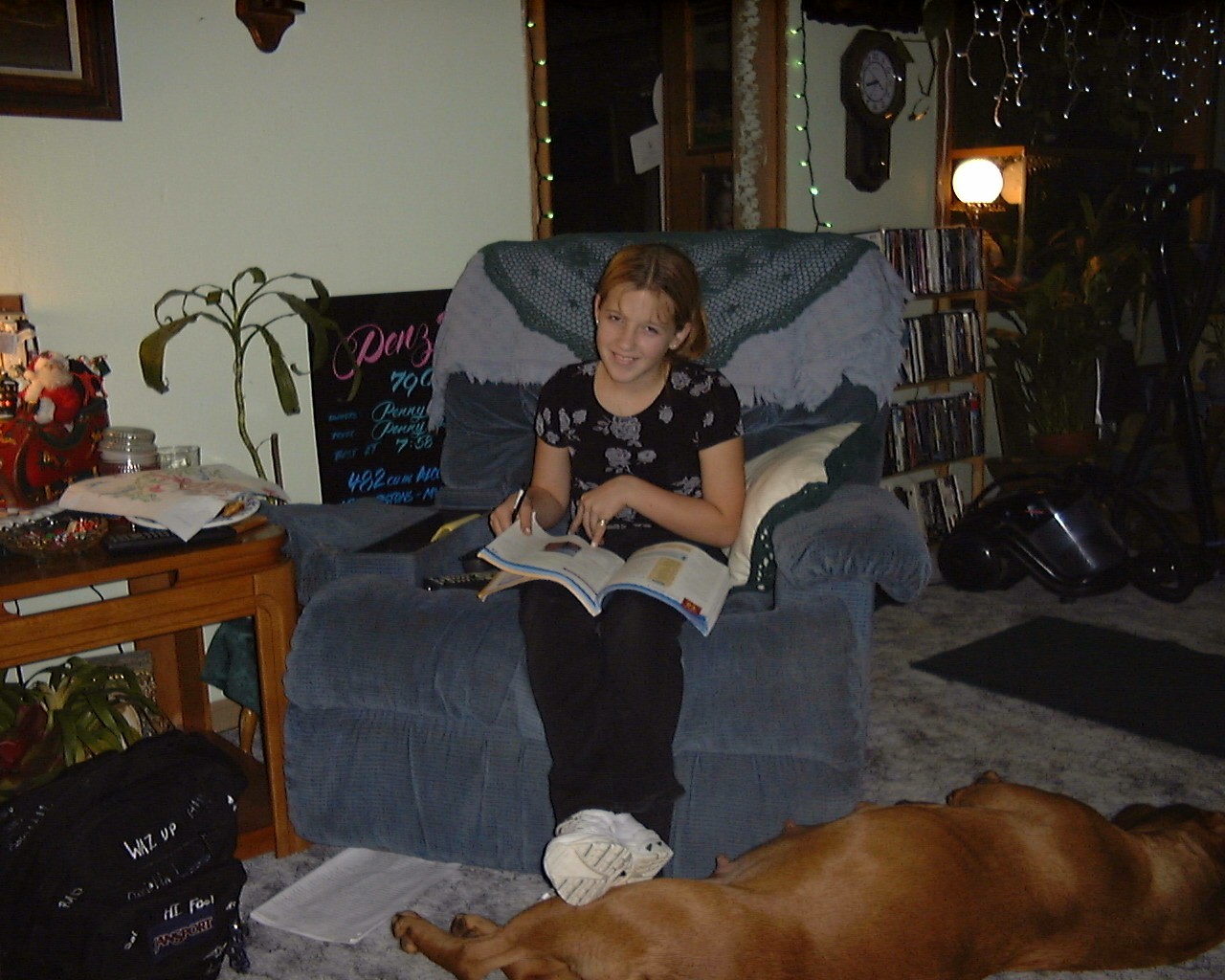
|
My name is Jaimie and I attend Central Middle School here in
Oroville, Ca. It's a school that has about 950 students for both 7th and 8th grade levels. I am in the 7th grade this year and wanted to do a
science project that would benefit me in the future when I attempt to
become part of the shuttle / Int'l Space Station research crews. I have
applied to NASA on their astronauts application and will pursue studies in
science and astro-physics in my upcoming school years. I like math and
science and hope this will demonstrate my interest and abilities concerning this
line of work. |
Personal Interests
water
& snow skiing
rock
climbing
science
billiards
running
UPDATED:
Monday, January 22, 2001