Some amazing facts about Humming Bird:
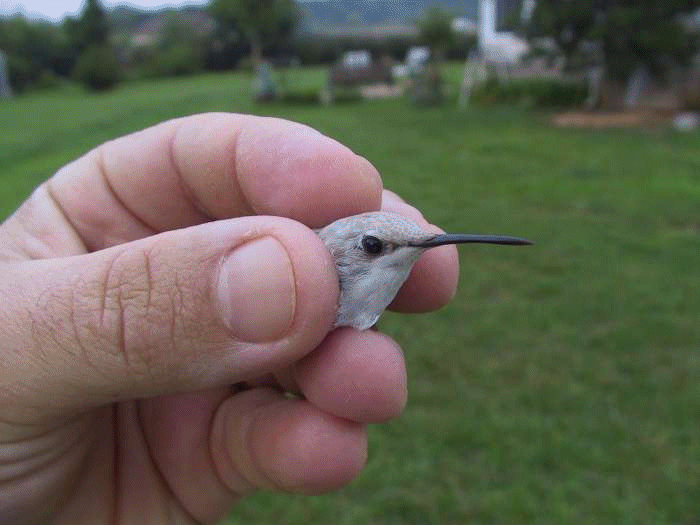
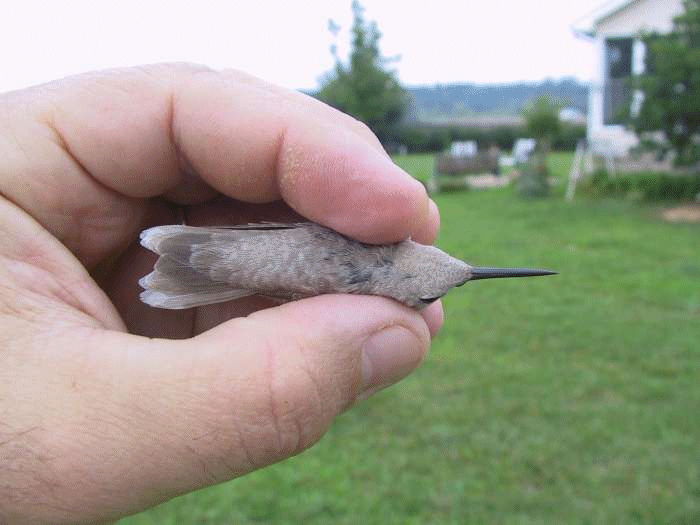
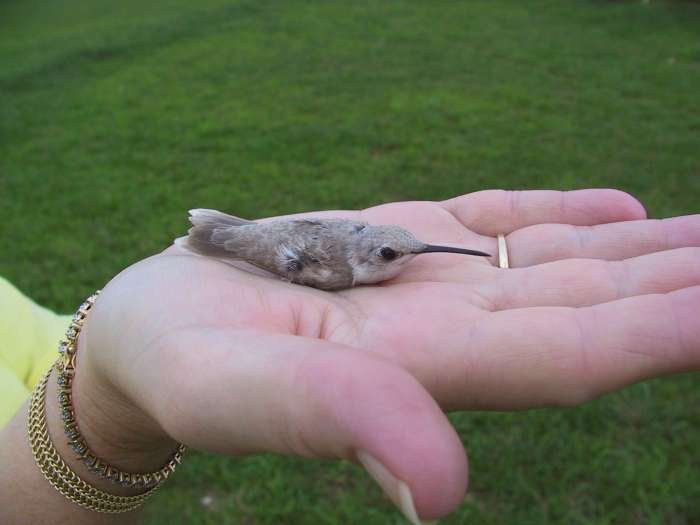
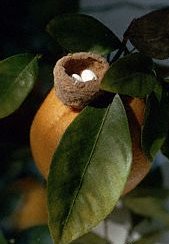
The smallest bird is the bee hummingbird which is 2.5 inches long ( 6.2 cm) weighing only 0.06 oz (1.6 g). Hummingbirds lay the smallest birds' eggs. They always lay 2 at a time, each the size of a person's small fingernail.
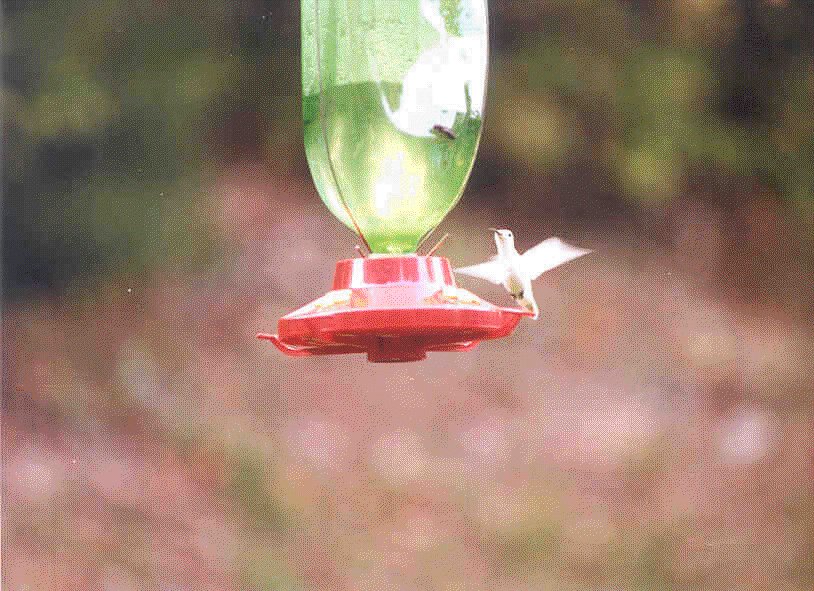
They are the only ones that fly backwards and sideways.
Hummingbirds are tiny birds that can fly forwards and also hover in mid-air. They are called hummingbirds because when they fly, their wings often make a humming sound. Their tiny wings beat about 55 to 75 times each second! The average life span of a hummingbird is 3 years. Many hummingbirds migrate to find food during the cold winter. Hummingbirds are native to the Americas.
Anatomy: The biggest hummingbird is the Giant Hummingbird of South America; it weighs 20 grams. The smallest hummingbird (and also the smallest bird) is the Bee Hummingbird, which is about the size of a bee!
Most hummingbird's feet and legs are so small that they cannot walk or even hop; hummingbirds mostly use their legs and feet for perching (but the toes and claws are very long, and are used for perching). Hummingbirds are almost helpless on the ground.
Diet: Hummingbirds sip sweet nectar from flowers and eat some tiny bugs. They use their long tongue to lap up nectar.
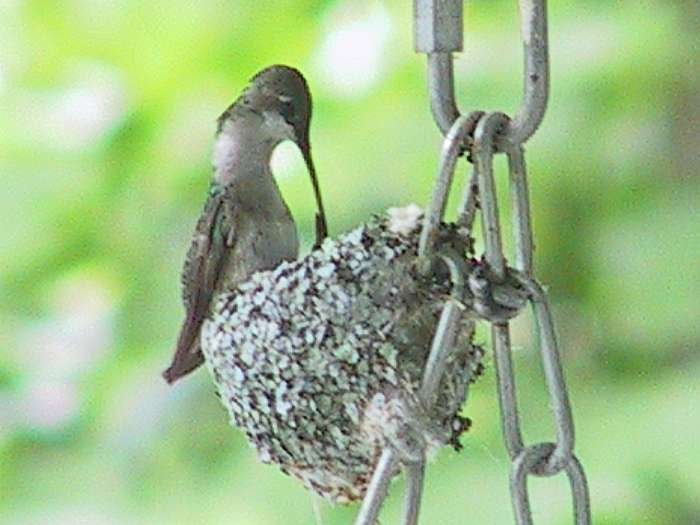
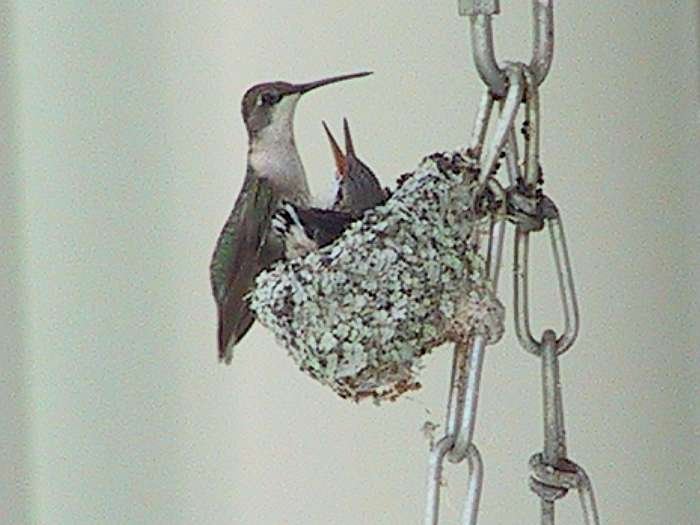
Nest and Eggs: Hummingbirds make their tiny nests from lichens, spider webs, and plant down (fluffy seed coverings).
Predators: Many animals prey upon hummingbirds, including many other birds, like orioles, roadrunners, hawks, and flycatchers. Hummingbirds can also die when they are caught in spider webs. |