
Although I had an amazing time in Zanzibar as well as a cool 4-day camping safari in Tanzania and a trip to the rainforest volcanic mountains of Rwanda to visit the last of the world's remaining mountain gorillas (remember "Gorillas in the Mist"?), I cannot help but skip over the details of those memorable events and talk about another event that left more of an impact on me: my 2 trips to genocide memorials in Rwanda.
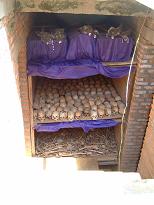
With over 1 million people massacred in just a few short months in 1994, Rwanda's tragic history leaves scars on everyone it touches. Memorials to those who have died are scattered throughout the country, mostly at churches where people sought refuge. One of these churches was in Nyamata where 10,000 people perished in one single day in April 1994. Seeing human skulls, bones, coffins, and blood-stained walls where men, women, and children were mutilated tends to affect you. Trying to wrap my head around the idea that some people thought it was acceptable to rape, plunder, and pillage so recently is difficult, if not impossible.
In addition to the many memorials in the countryside, there is an amazingly impressive genocide museum in the capital. Video testimonials of survivors, photos of children murdered, personal effects, and the historical information provided evokes so much emotion. Horror, anger, sorrow, and particularly fear that we will never escape the atrocities of past, present, and future genocides.
What does one gain from hacking people to death with machetes? Power? Revenge? Control? Submission? I don't get it and I wonder if the people in Rwanda ever will. Do children understand why they are among the 300,000 orphans left behind? What about the 85,000 children who are heads of their households because an adult figure no longer exists? Or the 1 million dead? Or the 2 million refugees?
In 1995, the UN established an international criminal tribunal for Rwanda (ICTR) in order to bring to justice perpetrators of this genocide. Yet, 10 years later, only 81 people have been indicted and 17 convicted. While in Arusha, Tanzania I had the opportunity to visit the ICTR and witness some of the court proceedings of a woman who was a former minister during the genocide. The process is a slow and arduous one. I wonder if there ever really is such a thing as justice in a situation as extreme as this.
And where was the international community in all this? Shamefully, the UN and its powerful memer countries (including the US) were too slow to recognize the impact of the genocide. It makes me wonder if we've learned anything at all. The more answers I seek, the more questions I find.
Janine
at the National Genocide Museum
Kigali, Rwanda