 |
|
|
|
|
|
|
|
|
|
|
|
|
|
|
|
|
|
|
|
|
|
|
|
|
|
|
|
|
|
|
|
|
|
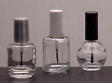
In 1914 a women named Anna Kindred created a patent for her rustic type of nail polish or gloss. It protected the fingernails from getting discolored for people who work with chemicals that could potentially harm the fingernails. It was basically a shield to protect the fingernails. |
|
|
|
 |
|
|
|
|
|
The gloss that was made to strengthen nails and protect them resembles a lot of products athat are on the market today. |
|
|
|
|
 |
|
|
|
|
|
|
In 1917 the first manicure kit went on the market. After a �Vogue� advertisement warned people to not cut their cuticles, the kit went out for sale. It required no tools and could be done at home. It included �Cuticle Remover, Nail Polish, Nail Enamel, Nail Whitener, Orange Stick, Emery Board, and a Booklet of Home Manicuring Lessons.� (The History of Nail Care). |
|
|
|
|
An at-home manicure, including the cuticle cream and orange stick! |
|
|
|
|
|
|
Also in 1917, women began to use cake mix and other powders or pastes to buff their nails. They claimed to make the nails �brilliant, lasting, and waterproof�(The History of Nail Care). |
|
|
|
In 1920, �fingernail paint� was influenced by paint used on automobiles. At this time the celebrities were still wearing unpainted nails for the �childish look�(This History of Nail Care�, but this would soon change. |
|
|
|
|
|
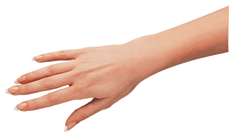
In 1925 the first official nail polish was sold. It only came in a shade of red and was only used in the middle of the nail. �The moon and free edge are left colorless. The mid-�20s and �30s are the age of what Beatrice Kaye, manicurist at MGM, calls the �moon manicure.� The cuticles are cut, the free edges are filed into points, and polish applied to the nail but not to the moon. Sometimes the tip is left uncovered as well. However, etiquette books of the time warn women against painting their nails with �garish colors�.� (The History of Nail Care) |
|
|
|
 |
|
|
|
|
 |
|
|
|
|
|
|
|
|
The younger look of natural, but well-taken-care-of nails. |
|
|
|
|
|
the 1920�s and 1930�s many things happened in the industry of nail care. Max Factor came out with different nail products including Society Nail Tint and Society Nail white. The nail tint was just a colored cream that gave of a natural rose color. The white product was a �chalky white liquid� that get put on underneath the nail to look like a French manicure, making the tip white and the rest of the nail natural looking. Cuticle creams and removers were also introduced in this time period, along with scented nail polish, which was not very popular. Even today that is not one of the best selling products out there. The company Revlon was introduced, which still today is a leading cosmetic company. �Charles Revson with his brother and chemist Joseph Revson , and Charles Lachman created an opaque, non-streaking nail polish based on pigments rather than dyes, making a variety of colors available.� (The History of Nail Care). People who bit their nails were in luck, because Maxwell Lappe created a product called Nu Nails, which were an artificial fingernail, applied to the natural nail to prevent people from biting them. A nail color was created that could be removed easily without damaging the fingernail in 1934 by Anna Hamburg. Max Factor also created its Liquid Nail Enamel, which only came in 3 different shades of red. During this time period, it also became popular to now pain the whole fingernail with the polish. An even more modern invention of the finishing stencil in 1936 made it possible to get an even coat of polish in the shape of your fingernail that was always consistent. Also contributing to the whole nail being painted, was the invention of the base coat. Manicures were being offered in salons for between a quarter and three dollars and fifty cents, which depended on how much polish was used, if any. Even throughout the Depression, the nail care industry made its most significant progress during this time. |
|
|
|
More History! |
|
|
|
Back... |
|
|
|
Chem X Home |
|
|
|