 |
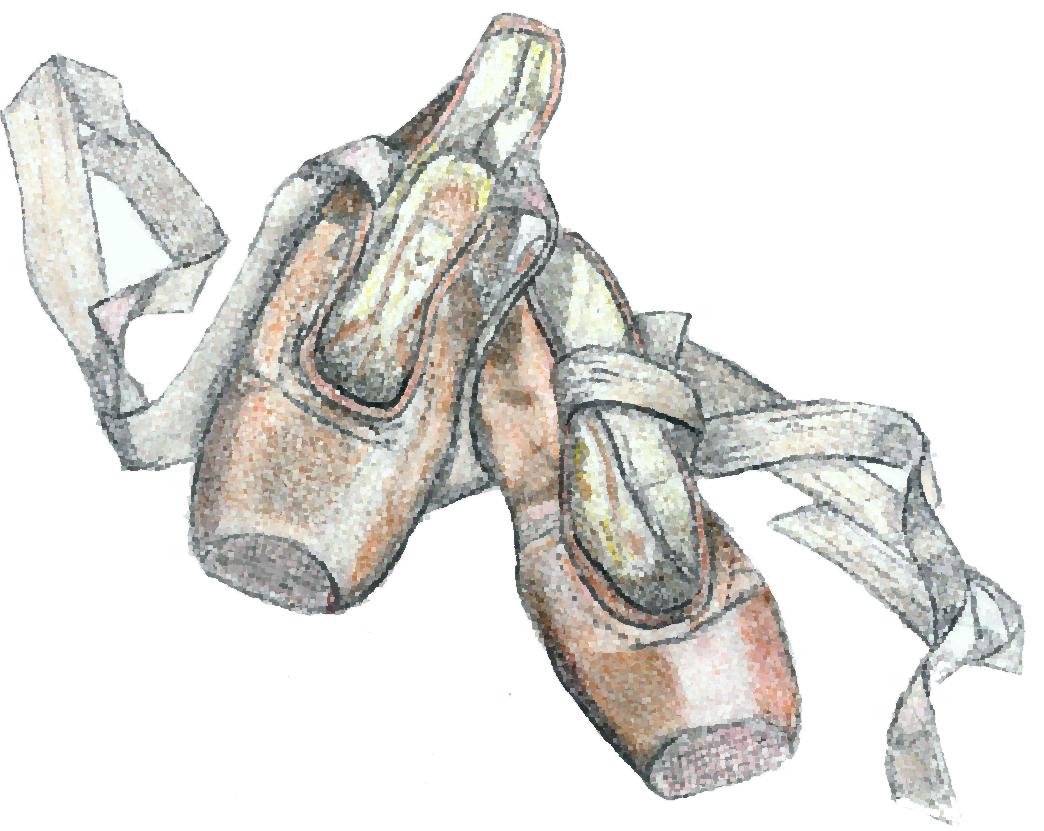
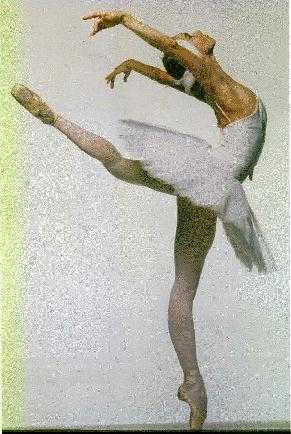
| Ballet is a theatrical art, in which a story is conveyed using stylized dance. Harmony, balance and restraint (Classical principles) are combined to idealize human form. Since its creation during the Renaissance, movements and stylized positions have been codified. It wasn't until the late 19th century that technique was emphasized though. For example Grands battements were never more than 45 degrees above the ground, but the Russians increased the height of this movement. They later introduced the idea of flexibility as part of technique to Britain and other countries when companies began to tour. A dancer is now expected to be flexible, it is one of the depicting characteristics, just like the pointe shoes and tutu. There are four important aspects which create the unique style of ballet, posture, turn-out, positions of the feet and positions of the arms. Posture: the back is straight, a slim line is created by pulling the muscles upwards and the hips need to be directly over the feet. Turn-out: a 'good line' is created by turning the legs from the hips, so the inside of the leg faces the audience. Positions of the feet: five positions have been codified (1st, 2nd, 3rd, 4th and 5th) from which all movements begin and end. Positions of the arms: the arms should be rounded, through the arms to the end of the fingers and the shoulders down. Combined lightness, grace and alignment is created. |
 |
 |
 |
| Modern: All About Modern / Modern Productions |
| Jazz: All About Jazz |