


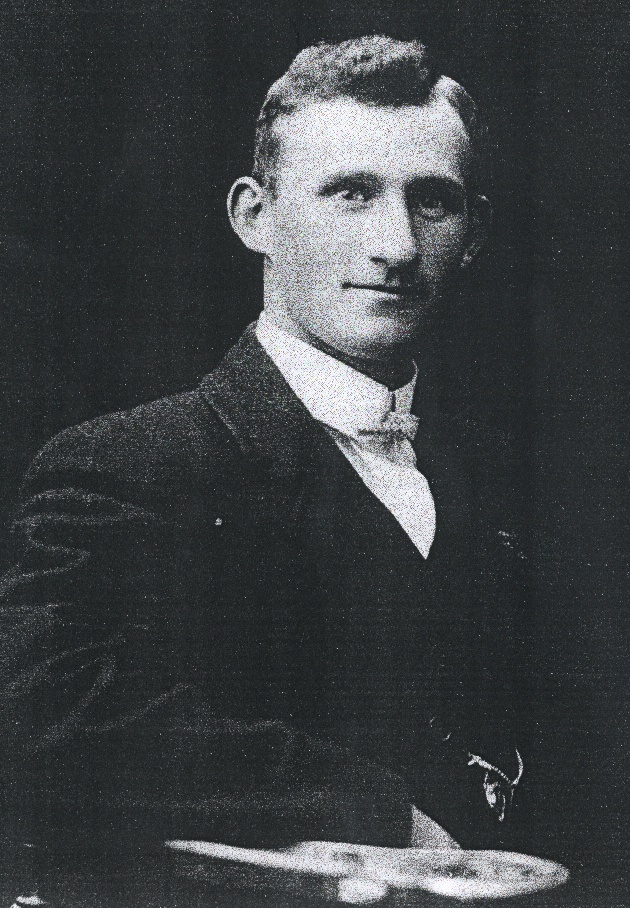
1889 - 1961
|
|
|
|
|
|
|
|
|
|
|
|
|
|
|
|
|
|
|
|
|
|
|
|
|
|
|
|
|
|
|
|
|
|
|
|
|
|
|
|
|
|
|
|
|
|
|
|
|
|
|
|
|
|
|
|
|
|
|
|
|
|
||||||||||||||||||||||||||||||||||||||||||||||||||||||||||||
|
||||||||||||||||||||||||||||||||||||||||||||||||||||||||||||
|
||||||||||||||||||||||||||||||||||||||||||||||||||||||||||||
| 2 | ||||||||||||||||||||||||||||||||||||||||||||||||||||||||||||
| Thomas Chappell | ||||||||||||||||||||||||||||||||||||||||||||||||||||||||||||
|
||||||||||||||||||||||||||||||||||||||||||||||||||||||||||||
|
|
|||||||||||||||||||||||||||||||||||||||||||||||||||||||||||
| The family had shifted to Yaldhurst during the grips of the Depression, and this, for a large family with little money, was daunting. Initially, there was little to see for all their hard work. However, thankfully home grown food was plentiful so everyone was fed. Nothing was wasted that could be used. Helen was very good at making rag mats and the family made their own mats for the kitchen floor from potato sacks which were fringed at both ends and dyed green, red or whatever colour the family chose. It was also fortunate for the family that a blue-gum plantation was just across the road. On occasions a tree would be bought from the Paparoa Council. It was cut down and sawed into blocks of fast-burning wood for the little black stove in the kitchen. Breakfast was a bowl of porridge and bacon and eggs with fried potatoes. Without electricity, toast was not on the menu! During the winter months when there wasn't enough cream to send to the butter factory, what the family did have was made into butter at home. Helen was an excellent butter maker and this was sold to Still's Grocery store in Hornby to help pay for the family's groceries. | ||||||||||||||||||||||||||||||||||||||||||||||||||||||||||||
|
||||||||||||||||||||||||||||||||||||||||||||||||||||||||||||
|
||||||||||||||||||||||||||||||||||||||||||||||||||||||||||||
| Thomas Chappell 1889 - 1961 |
||||||||||||||||||||||||||||||||||||||||||||||||||||||||||||
| Links: | ||||||||||||||||||||||||||||||||||||||||||||||||||||||||||||
| Back to Thomas' Profile | ||||||||||||||||||||||||||||||||||||||||||||||||||||||||||||
| Back to Henry Sidney | ||||||||||||||||||||||||||||||||||||||||||||||||||||||||||||
| Back to Page 1 | ||||||||||||||||||||||||||||||||||||||||||||||||||||||||||||
| Next Page | ||||||||||||||||||||||||||||||||||||||||||||||||||||||||||||
| Back to homepage | ||||||||||||||||||||||||||||||||||||||||||||||||||||||||||||
| This information is written by Shelley Chappell and compiled with the aid of Vena Harding and Noeline de Groot. | ||||||||||||||||||||||||||||||||||||||||||||||||||||||||||||
| The family's fowls and pigs were an essential part of the food supply. A pig or two was killed for bacon every year. Tom always had someone to help him kill the pigs. In fact, he wasn't the sort of person who would kill anything if he didn't have to, so perhaps the actual killing was done by his helper. | ||||||||||||||||||||||||||||||||||||||||||||||||||||||||||||
| My Info: | ||||||||||||||||||||||||||||||||||||||||||||||||||||||||||||
| Name: | Jessica Hey | |||||||||||||||||||||||||||||||||||||||||||||||||||||||||||
| Email: | [email protected] | |||||||||||||||||||||||||||||||||||||||||||||||||||||||||||
|
||||||||||||||||||||||||||||||||||||||||||||||||||||||||||||
|
|
|||||||||||||||||||||||||||||||||||||||||||||||||||||||||||
| However, he was a good bacon curer, making home cured bacon whose flavour would put to shame the modern variety. The head of the pig was given to Helen to make brawn, an awful job, particularly when trying to make it by lamp and candle light, but she did it well, and it was always beautifully set and flavoured. | |
|||||||||||||||||||||||||||||||||||||||||||||||||||||||||||
| members of the family that the very productive land that had been created through sheer hard work and good farming was not going to feed and clothe both parents and 11 children. Tom, like so many others, had to face the strain of hard times, but he was up to the challenge. He decided to go out to work to supplement the family's income. He first taught his boys and girls to milk, these lessons occurring in late autumn when it was time to dry the cows off to allow them a reprieve in which to build up milk before their calves arrived in the spring. Learning to milk is an act in itself, for until one gets the rhythm of handling the teats the cow might well hold the milk. Thus Autumn was the perfect time for lessons because yield didn't matter when the cow was giving so little milk at any rate. The children learned to milk without any great loss in production! Once the children could do this important job, it left Tom free to do other things. He was a good shearer and was able to go back to the Sheat Brothers at Dunsandel to do crutching during the winter months and shearing during the summer. When it was shearing time, Tom would leave about 5.30 am for Halkett with his kit-bag balanced on the handlebars and the bar of the bike. Halkett seemed such a long way to go on those shingle roads. When it was time to go to the Dunsandel shed he travelled by train from Templeton. He would be away a week at a time knowing that everything was being managed at home by his hardworking family. | ||||||||||||||||||||||||||||||||||||||||||||||||||||||||||||
|
||||||||||||||||||||||||||||||||||||||||||||||||||||||||||||
|
||||||||||||||||||||||||||||||||||||||||||||||||||||||||||||
| With Tom's dislike of killing things possibly one of the saddest moments of his life was having to shoot his lovely draught horse Jean. She had been his main source of transport, a lovely, easy to handle, trap horse, but she had slipped on very icy ground and broken a leg. Tom was quite a good amateur vet, which must have saved him a few pounds. A common complaint of the time he was well able to handle was when cows became blown. Tom, like most farmers, did his own drenching to help this. He also did more unusual animal healing, however. Once one of the good milking cows got a potato sack in her throat so Tom used a heavy plack to put under her neck as she lay on the ground. Then, with the help of others, he concentrated on using a small piece of sawn timber and pressed slowly and firmly until he moved the obstruction. Cows were too precious to lose if they could be saved. Tom also once saved a neighbour's cow that was stricken with tailworm and couldn't get up. Where Tom had learned the technique of how to cure tailworm no-one knows, but possibly in Queensland. The tail was tested by being held straight, as it dropped at the infected point. With a sterilised knife Tom made an incision into that area and packed it with salt and bound it up. It was no doubt a very painful experience for the cow, and for Tom too, but there was jubilation all around when the cow had fully recovered within a few days. | ||||||||||||||||||||||||||||||||||||||||||||||||||||||||||||
| The children were used to helping their parents with all sorts of chores and even stormy days during winter were never looked upon as an excuse to waste time. There were usually grain and potato sacks to be mended or maybe the school boots for the boys and girls needed new soles. The children made a jolly good job of them too! However, perhaps the chore that the children would remember most clearly was that dreaded command from Tom, "Come on one of you kids and rub my feet"!! None of the children rushed to be the first on the job! | ||||||||||||||||||||||||||||||||||||||||||||||||||||||||||||
| During the Depression years many swag men tramped the roads looking for work and it wasn't unusual to have some of them knock on the door and ask for a cup of tea. They were never refused at the Chappell household in Yaldhurst, even though the family themselves were at hard times. Helen knew her Bible well and often quoted the Golden rule, Matthew Ch. 7 V. 12, "Do unto others, what you would have them do unto you". | ||||||||||||||||||||||||||||||||||||||||||||||||||||||||||||
| As the children grew older much of the pressure was lifted from their very busy parents as they were able to help with more chores. They were also able to begin their schoolingat Yaldhurst Primary School. | ||||||||||||||||||||||||||||||||||||||||||||||||||||||||||||
| To those of the children who were young and had no cares, the Depression days were perhaps some of the happiest of their lives. But as the depression continued it became evident to the older | ||||||||||||||||||||||||||||||||||||||||||||||||||||||||||||
| Continued... | ||||||||||||||||||||||||||||||||||||||||||||||||||||||||||||
|
||||||||||||||||||||||||||||||||||||||||||||||||||||||||||||
|
||||||||||||||||||||||||||||||||||||||||||||||||||||||||||||
|
||||||||||||||||||||||||||||||||||||||||||||||||||||||||||||