


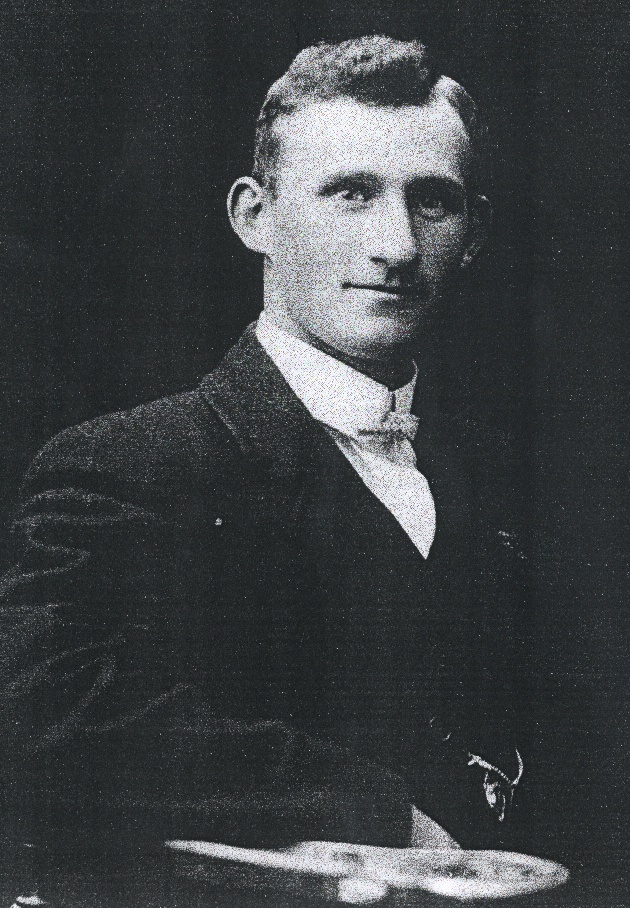
1889 - 1961
|
|
|
|
|
|
|
|
|
|
|
|
|
|
|
|
|
|
|
|
|
|
|
|
|
|
|
|
|
|
|
|
|
|
|
|
|
|
|
|
|
|
|
|
|
|
|
|
|
|
|
|
|
|||||||||||||||||||||||||||||||||||||||||||||||||||
|
|||||||||||||||||||||||||||||||||||||||||||||||||||
|
|||||||||||||||||||||||||||||||||||||||||||||||||||
| Thomas Chappell | |||||||||||||||||||||||||||||||||||||||||||||||||||
| 1 | |
||||||||||||||||||||||||||||||||||||||||||||||||||
|
|
||||||||||||||||||||||||||||||||||||||||||||||||||
|
|||||||||||||||||||||||||||||||||||||||||||||||||||
| Tom spent his childhood on the family farm at Killinchy, and was schooled at the local primary school. After leaving school he spent some time working on the family farm until at the age of 16 (as he has always joked) he was put out of the house with his violin. Tom then worked for different people shearing, harvesting and stacking oats. His son Philip once said that he used to knit his own socks while minding his cows on the roadside. Tom eventually went to work for the Sheats family in Dunsandel. | |||||||||||||||||||||||||||||||||||||||||||||||||||
|
|||||||||||||||||||||||||||||||||||||||||||||||||||
| Tom met his future wife, Helen McCann, at one of the community dances at Leeston. Tom was playing the violin with other members of the Chappell band of entertainers and Helen was sitting on a form below the stage where the musicians were assembeld to play for the dance. At some time during the evening Tom tapped Helen on the head with the bow of his violin, perhaps attracted by her mop of auburn hair. Romance quickly ensued! | |||||||||||||||||||||||||||||||||||||||||||||||||||
| Thomas Chappell 1889 - 1961 |
|||||||||||||||||||||||||||||||||||||||||||||||||||
| Links: | |||||||||||||||||||||||||||||||||||||||||||||||||||
| Back to Thomas' Profile | |||||||||||||||||||||||||||||||||||||||||||||||||||
| Back to Henry Sidney | |||||||||||||||||||||||||||||||||||||||||||||||||||
| Next page | |||||||||||||||||||||||||||||||||||||||||||||||||||
| Back to homepage | |||||||||||||||||||||||||||||||||||||||||||||||||||
| Helen, called Nellie, was not a native of Killinchy but was born at Little River. Her mother had died when she was five and for some time her eldest sister Mary did the housekeeping and looked after Nellie and her sister Flora, called Florrie. The youngest sister of the family, Rita, was cared for by the Lochhead family at Leeston. Once Helen was old enough to leave school she went out to work as a domestic, and at this time in her life she often visited her sister Annie at Leeston. It seems that it was during one of these visits that she met Tom! Life for the young Helen had not been easy but it was because of this that she was well equipped with all the skills she would need for her future married life. | |||||||||||||||||||||||||||||||||||||||||||||||||||
| This information has been written by Shelley Chappell and compiled with the aid of Vena Harding and Noeline de Groot. | |||||||||||||||||||||||||||||||||||||||||||||||||||
| My Info: | |||||||||||||||||||||||||||||||||||||||||||||||||||
| Name: | Jessica Hey | ||||||||||||||||||||||||||||||||||||||||||||||||||
| Email: | [email protected] | ||||||||||||||||||||||||||||||||||||||||||||||||||
|
|||||||||||||||||||||||||||||||||||||||||||||||||||
|
|||||||||||||||||||||||||||||||||||||||||||||||||||
|
|||||||||||||||||||||||||||||||||||||||||||||||||||
|
|||||||||||||||||||||||||||||||||||||||||||||||||||
| Tom and Helen were married at Killinchy on 3 September 1913 when Tom was 23 and Helen 21. Witnesses at their wedding were Tom's brother William and Helen's sister Florrie. After their marriage Thomas and his young wife went to Australia and their early married life was spent in Queensland where Tom worked for the Hartnell brothers who were big land owners at Dalby. These brothers were from New Zealand and had taken 40 000 pound over to Australia to start the farm, which was a large back block sheep station called 'Warrah'. Jobs for Tom included building yards and shearing sheep. He shared such chores with his brother Harry who had travelled to Australia with him. It must have been strange far away from home and family but their life in isolation was quite normal, apart from the odd snake! Several of these were brought back by the brothers to New Zealand, preserved in bottles with methylated spirits. Tom and Helen also brought back their first two children, Helen and Harry, born at Dalby. | |||||||||||||||||||||||||||||||||||||||||||||||||||
|
|||||||||||||||||||||||||||||||||||||||||||||||||||
| Tom was a good farmer and he worked hard. He never seemed to need an alarm clock to rise early every morning to milk the cows, and this early start was followed most usually by a day of walking behind the team of horses preparing the land for crops. Later would come the harvesting. A typical picture in Yaldhurst was of Tom on the Reaper-Binder, his keen eye looking back to make sure the sheaves were tied and falling off the canvas ready for the gang (which meant any of the children who were old enough) to place them in the stooks. Building the sheaves into a stack was always Tom's job and he was very good at it, with none of his stacks ever collapsing. Cows and horses for the Yaldhurst farm had been brought with the family from Killinchy and four cow bails, situated on the eastern side of a large granary, were usually stocked with bags of potatoes, grain sacks and fowl food. It was a great place for the children to play on wet days. The main crops Tom planted and grew were potatoes, wheat, oats and clover and crops were rotated to keep the land fertile and to provide the necessary grass land for cows as they fed along the roadside, as a way of supplementing the feed! | |||||||||||||||||||||||||||||||||||||||||||||||||||
|
|||||||||||||||||||||||||||||||||||||||||||||||||||
| Returning from Australia, possibly because the farm went broke, Tom and Helen lived for a long time in Killinchy, where their family was increased to 2 girls and 4 boys by the births of four more children. Helen kept in touch with her sister Annie who lived nearby and was very close to her sister. Annie helped Helen out a lot with housekeeping and sewing. Eventually, Tom set his sights upon some land at Yaldhurst and the family shifted to their own farm. Their new dwelling place at Yaldhurst, bought from a man named Stanbury, was a 6 roomed house with a walk-in pantry. At this house there was no water laid on and kerosene lamps and candles were used for lighting. The land of 53 and 1/3 acres had been badly neglected so it was an all out effort to get the farm into some sort of productivity. | |||||||||||||||||||||||||||||||||||||||||||||||||||
| For Helen, life was busy as well. Five more children were born at Yaldhurst in seven years, up to 1930, giving Tom and Helen a total of 11 children, 7 boys and 4 girls. Helen did the cooking and one very big job of hers was the washing. For this chore, there was an old copper situated on a piece of concrete at the back door and two wooden tubs unattached to drains for washing the clothes and rinsing them after they had been boiled. Buckets were placed beneath the plug holes. When they were filled the fittest family members would carry them to the grass or garden and empty them. A hand wringer was attached to the double tubs and the strongest children usually put the clothes through three rinsings before they were hung on the line. All water for the washing was carried from the tap. By the end of such a day Helen would be exhausted, her hands wrinkled from soap suds and a knitted hat on her head to protect her from the wind. | |||||||||||||||||||||||||||||||||||||||||||||||||||
| Tom and Helen were always known as a great team, and while Tom worked at the farm, Helen cared for the house and children. | |||||||||||||||||||||||||||||||||||||||||||||||||||
| Continued.... | |||||||||||||||||||||||||||||||||||||||||||||||||||
|
|||||||||||||||||||||||||||||||||||||||||||||||||||
|
|||||||||||||||||||||||||||||||||||||||||||||||||||
|
|||||||||||||||||||||||||||||||||||||||||||||||||||