Comorbidity(associated illness)


Type 1 diabetes mellitus Hypercholesterolemia
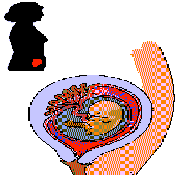

Infertility Menstrual irregularities


Depression Obesity
Hpothyroidism has been frequently associated with other diseases.
These co-morbid states include
-
Infertility,
-
Menstrual irregularities,
-
Type 1 diabetes mellitus,
-
Depression,
-
Obesity,
-
Hypercholesterolemia, etc.
Hypercholesterolemia
 |
Impaired thyroid function may be the cause of a hypercholesterolemia. |
|
Clinical studies have shown that hypothyroid patients have significantly elevated serum cholesterol levels -from about 30% to 50% above control values. |
|
Also increase in low density lipoprotein (LDL) cholesterol, modest fasting hypertriglycereidemia has been observed in hypothyroid patients, particularly when they are obese. |
DiabetesMellitus
|
Approximately 10% of patients with type I diabetes mellitus develop chronic thyroiditis in their lifetime which may include the insidious onset of subclinical hypothyroidism. |
|
Insulin requirements may change in the presence of subclinical hypothyroidism. |
|
It is important to examine patients with diabetes for the development of a goiter. |
Infertility
|
Some patients with infertility and menstrual irregularities have underlying subclinical or clinical hypothyroidism. |
|
In some patients with elevated TSH levels, thyroxine replacement therapy may normalize the menstrual cycle and restore normal fertility. |
Depression
|
The diagnosis of subclinical or clinical hypothyroidism must be considered in suspected patients with depression. |
|
In fact, a small proportion of all patients who are depressed have primary hypothyroidism- either overt or subclinical. |
|
Also all patients on lithium therapy need periodic thyroid evaluation because lithium may induce goiter and hypothyroidism. |
Obesity
|
Some obese patients may have hypothyrodism. |
|
Caloric needs due to hypothyrodism may be responsible for weight gain in these persons. |
|
In view of the strong association between hypothyroidism and the above comorbid states, it is advisable to look for hypothyroidism in these patients and screen accordingly through T 4 and TSH testing. |