 |
 |
 |
 |
 |
|
|
|
| Treatments |
 |
 |
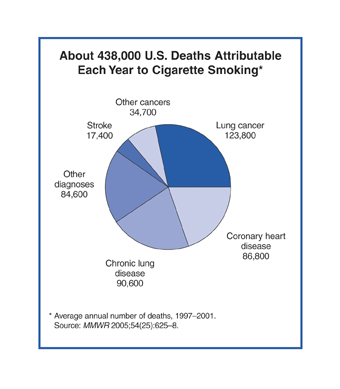
| Nicotine addiction is a real medical condition that carries real consequences without treatment. An estimated 12,000,000 Americans have died as a result of smoking tobacco products since 1964 90% of lung cancer cases and 21% of death-resulting coronary heart disease cases are linked to cigarette smoking On average, a 35 year old man will add 5.1 years to his life expectancy by permanently quitting smoking Lung cancer and cardiovascular disease resulting from second-hand smoke causes approximately 38,000 deaths per year |
 |
|
|
|
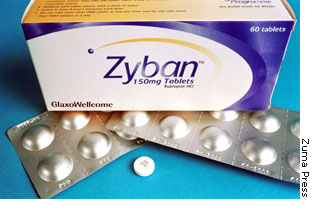
| The most popular treatment for nicotine addiction is Nicotine Replacement Therapy (NRT). This was the first pharmacological solution to nicotine addiction and the first to receive FDA approval for mass distribution. The therapy usually includes a small amount of nicotine, but some replacement treatments contain no nicotine. The most common forms of NRT's are products like Nicorette brand gum and patches. Nicotine gum has small doses of nicotine but none of the harmful secondary substances found in cigarette smoke or chewing tobacco. As a result, there are no feelings of lightheadedness or giddiness that some tobacco users associate with smoking or chewing but nicotine is still absorbed into the bloodstream and central nervous system. Withdrawal symptoms are reduced by the presence of nicotine and some individuals are successfully rehabilitated from their dependence. Although NRT's address the biological factors of addiction, the sight, smell, touch or thought of a preferred tobacco product can sometimes cause a complete relapse. Behavioral therapy is very useful when used in combination with NRT's because both physical and psychological cravings are subdued; it will be discussed in further detail below. Non-nicotine replacement therapies are also aimed at reducing cravings, and are sometimes a more reliable alternative because there is no nicotine intake. Ideally these drugs will eliminate the effects of nicotine on the brain and return neurotransmitters to normal activity levels, resulting in no physical or psychological urges to smoke. Non-nicotine NRT's like Zyban (also sold as the anti-depressant Wellbuprin) and Chantix are only available by prescription and help curb withdrawal symptoms as well as reduce nicotine addiction. Heavy smokers are more at risk to relapse after this type of NRT if there are significant psychosocial reasons behind their nicotine dependence. |
| Since nicotine addiction has both physiological and psychological components, there are numerous treatment techniques for ending dependence. Some have variable success rates, some are FDA approved and highly successful, and some are still experimental, but all treatments aim to help people overcome one of the most lethal and widespread mental illnesses. |
| Like most types of drug addiction, nicotine addiction can be treated with varying degrees of behavioral therapy. Behavioral therapy can be utilized alone, but is more effective when it is used in combination with other treatment techniques. It has already been mentioned that biologically based treatments |
| are not always successful because of environmental cues that instigate tobacco use, despite the reduction of physical cravings. Behavioral therapy is designed to divert a nicotine addict's attention from the urge to smoke/chew by teaching relaxation techniques and encouraging other activities to replace nicotine products, such as chewing gum. It also discourages exposure to people, places or situations that may remind an individual of tobacco use and cause relapse, at least until the therapist and patient are confident the addiction has been extinguished. Combining behavioral therapy with nicotine replacement therapy can greatly increase a users chance of overcoming nicotine dependence by targeting physiological and psychological components of addiction. An interesting area of research for smoking cessation is the possibility of nicotine vaccines. This treatment produces antibodies that can recognize nicotine and potentially target nicotine molecules as they enter the body and bind with them before the particles enter the brain. When bound to nicotine, the antibodies would slow the distribution of the drug and reduce the activity of nAChR's in the central nervous system. Nicotine elimination in the brain can also be slowed, thereby reducing the occurence and severity of withdrawal symptoms. A University of Minnesota study tested the efficacy of nicotine vaccines in rats and found that they were both safe and produced promising results (Pentel, et al). The researchers main concern was that smokers may compensate for the effects of the vaccine by simply using a tobacco product more to achieve the same effects from the nicotine pre-vaccination. There is still research to be done to ensure that nicotine vaccines will produce the same antibody effects in humans and are a safe alternative to other pharmacological treatments. As this site has emphasized, nicotine addiction is a legitimate and very serious mental disorder. Many factors cause it, making recovery complicated. Statistics prove that nicotine-containing tobacco products are lethal and result in hundreds of thousands of deaths in the United States each year. Treatment options are plentiful and successful, ranging from self-help resources online to prescription medications and in-patient therapy. |
 |
 |
 |