 |
 |
 |
| Effects of Nicotine Addiction |
| Once a dependence on nicotine has been physiologically and psychologically formed, the real negative aspects of addiction emerge. The adverse effects of nicotine and other chemicals in tobacco products are varied in type and severity, but the risk of medical problems is increased as a result of nicotine addiction. For an occassional nicotine user (i.e. an individual who smokes a few cigarettes a day) a sudden surge in use (i.e. jumping to a full pack a day) would result in nausea, dizziness, or other effects. Someone who has developed a dependence on nicotine or has been diagnosed with nicotine acdiction will not experience the immediate physical effects of using a large amount of a tobacco product. This effect is known as tolerance and usually induces most people to use more of a substance than they intended to. Tolerance of most illicit drugs can be extremely dangerous because it means a higher quantity of a drug must be used to achieve the same effect(s) that a smaller quantity usually induces. Since most tobacco products lack intoxicating effects, tolerance only causes users to smoke, et c. more and therefore increases their intake of the other damaging substances in tobacco products. This is particularly dangerous for individuals already suffering from a tobacco-related illness such as cancer, emphysema, or heart disease. Nicotine addiction with tolerance will exacerbate an existing illness because it reintroduces the same chemicals that initially caused the illness. More frequent nicotine consumption and nicotine tolerance also increase the likelihood of withdrawal symptoms in the absence of the drug. Nicotine withdrawal is described in the DSM-IV-TR as the physical and psychological effects following the sudden cessation of tobacco use. It is primarily attributable to the chemical effects of nicotine on the brain and the role of nAChR on dopamine, however psychosocial causes are also significant. Some studies have shown that, like addiction itself, there are graduated levels of nicotine withdrawal depending on the amount and frequency of tobacco use (Panday, et al.). Withdrawal symptoms are identified with four criteria: In addition to the above characteristics, addicts experiencing nicotine withdrawal are vulnerable to irregular sleep patterns (especially during REM), decreased metabolism of nutrients, and pulmonary problems. Nicotine withdrawal also has various psychosocial factors. Some light to moderate smokers report themselves as "social smokers," meaning that they usually only smoke under particular circumstances. They may smoke only in the presence of other smokers, only when consuming alcohol, at certain times of day, et c. The neurochemical causes of addiction can be enhanced by psychosocial factors when particular events or situations trigger cravings for a tobacco product. Withdrawal symptoms are also enhanced by the presence of these triggers, especially when the craving is not satisfied by nicotine consumption. Addiction and withdrawal have several treatment options to both alleviate and prevent the symptoms and effects. |
| A. Daily use of nicotine-based products for several weeks B. Abrupt cessation of tobacco use, resulting in any combination of: 1) Depression-like symptoms 2) Insomnia 3) Irritability 4)Anxiety 5)Loss of concentration 6)Restlessness 7)Abnormally low heart rate 8)Increased appetite/Sudden weight gain C. The symptoms listed in B. cause clinically significant impairment D. The symptoms and effects are only attributable to nicotine use |
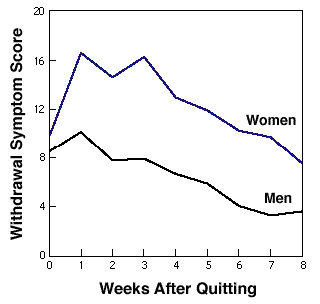 |
| Source: D. Hatsukami, Exprerimental and Clinical Psychopharmacology, 1995, APA., as cited by http://www.nida.nih.gov/NIDA_Notes/NNvol12N3/Women.html |
| This graph from the National Institute of Drug Abuse shows gender differences in the severity of withdrawal symptoms over time, following cessation. "Withdrawal Symptom Score" is based on a self-report scale of the intensity of symptoms and the data indicates that women experience greater withdrawal difficulties than males after they quit smoking. |
 |
 |
 |
 |
|
|
|