
Can be Found Here

|
|
|
|
|
|
|
|
|
|
|
|
|
|
|
|
|
|
|
|
|
|
|
|||||||||||||||||||||
| The Good, the Bad, and the Ugly Sides to our Snap Judgments | |||||||||||||||||||||
| We use snap judgments every day, and usually without even realizing we are doing so. Just think about the way you interact with people around you. If you were to see a man from across the room furrow his eyebrows, raise his upper lip to expose his teeth, and look you straight in the eyes, it (hopefully) wouldn't take you more than a few seconds to realize he is not happy with you, and react appropriately. Our ability to react quickly provides us with important advantages such as being able to efficiently respond to dangerous situations, or create cooperative alliances. Although our preprogrammed ability to quickly perceive situations is crucial for survival and social skills, there can be times when our brain's high powered and quick decision making can backfire. This backfiring can even undermining our conscious belief systems! To learn about when and how this can happen, please enjoy the links I have provided to the left. Each will provide you with a fun and interactive way of learning about how your snap judgments can sometimes betray you. | |||||||||||||||||||||
| Do you know your biases? | |||||||||||||||||||||
| Riddle Me This | |||||||||||||||||||||
| You Want Me to Do What with My Mouth? | |||||||||||||||||||||
| Want to Read More About Snap Judgments? | |||||||||||||||||||||
|
|||||||||||||||||||||
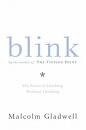
| Malcolm Gladwell's "Blink"offers an insightful and clever look into the causes and effects of subconscious thoughts on our judgments and behaviors. He begins by introducing the reader to a story about a fraudulent piece of artwork that passed rigorous scientific tests and background information before it was purchased by a prestigious museum. However, art experts knew instinctively that something was just not right about it. Nobody could point to any one flaw that it had, or why they thought it was fraudulent. It was just something they felt within the first few seconds of seeing the piece. Gladwell marvels at this phenomenon and spends the first half of the book providing similarly interesting facts and stories as well as ways experts have taught themselves to make accurate snap judgments. The second half of the book is a focus on when snap judgments backfire. He uses entertaining anecdotes as well as provides evidence from the scientific literature. Gladwell's story-telling style of reporting findings from social psychology is phenomenally entertaining, and I would encourage everyone to read this book. Find a great deal on his book by clicking on the photo to the left! | |||||||||||||||||||||
| For Those Science Buffs Out There: Interesting Research Related to this Topic Can be Found Here |
|||||||||||||||||||||
|
|
|||||||||||||||||||||