Death In The Afternoon |
|
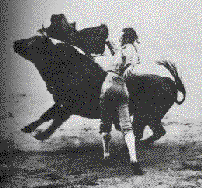
Besides The Little Prince, Jimmy related to and was inspired by Ernest Hemingway's famous book Death In The Afternoon. Hemingway himself said he felt that bullfighting was: "The only place you can see life and death i.e. violent death now that the wars were over." |
 |
 |
Hemingway’s book, first published in 1932, contains an historical account of the men who lived every day with death - and the stories of the bulls whose bravery is the primal root of the bullfight. When asked what he respected most in life, Jimmy said: “Death. It’s the only thing left to respect. It’s the one inevitable, undeniable truth. Everything else can be questioned. But death is truth. In it lies the only nobility for man, and beyond it the only hope.” |
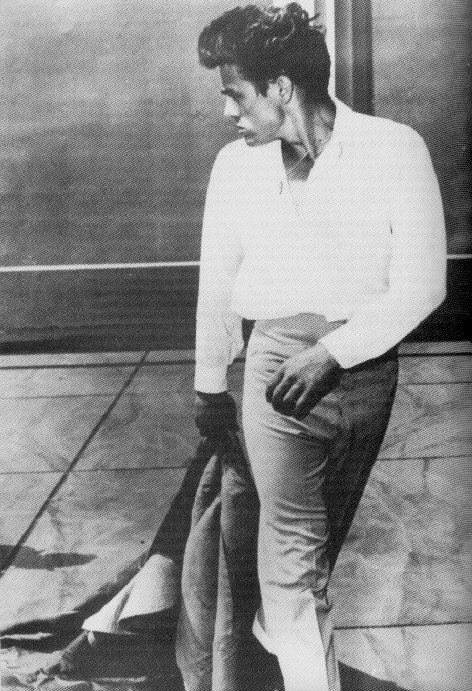
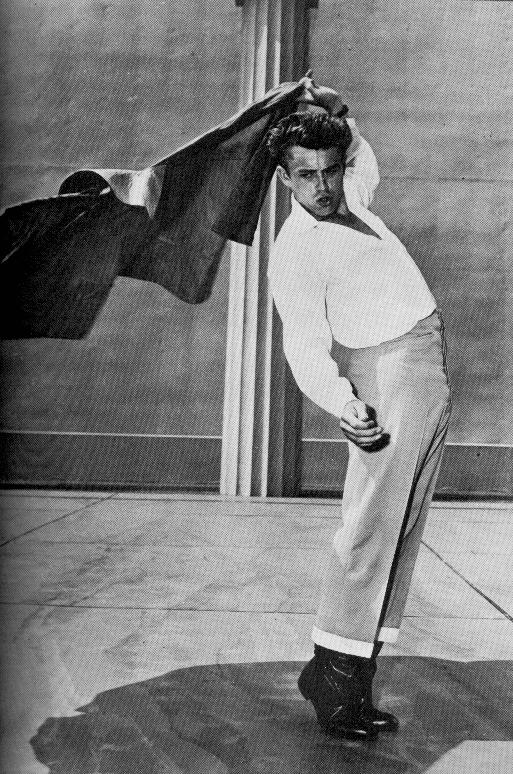
| James Dean himself often practised bullfighting with his friends. Dizzy Sheridan once said that during one such rehearsal: “I didn’t really learn much about bullfighting from him, because Jimmy always made me the bull.” When Jimmy and Johnathon Gilmore went to New York together they found that they were both interested in the art of bullfighting. For Jimmy, this was a result of his willingness to experiment with all that life could offer him. |
 |
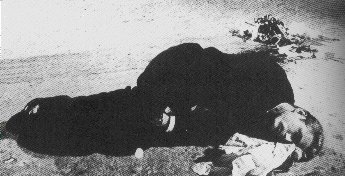 |
In Rebel Without A Cause, Jimmy's character Jim Stark was nicknamed 'Toreador', a reference to James Dean's obsession with bullfighting. The pose that Jimmy began Rebel with was also supposed to be influenced by bullfighting. It is apparently taken from Manet's famous painting Dead Bullfighter. |