


Lives Across Cultures
by Harold Gardiner
A Vision of Vygotsky
by Joan Wink and
LeAnn Putney

Childcare in the Kibbutz
Ifaluk Childcare
Kibbutz Research 1955-1975
Changes in the Kibbutz
The Future of US Childcare



![[Yahooligans!]](http://www.yahooligans.com/images/ykd_35.gif)
|
|
|
|
|
|
|
|
|
|
|
|
|
|
|
|
|
|
|
|
|
|
|
|
|
|
|
|
|
|
|
|
|
|
|
|
|
|
||||||||||||||||||||||||||||||||||||
|
||||||||||||||||||||||||||||||||||||
| Rebecca Freeland, Heather Magiera, Melissa Marcelo, Therese Moore, Rhiannon Rhodes, Sarah Winther, and Terra Warford | ||||||||||||||||||||||||||||||||||||
| The purpose of this research was to discover cross-cultural differnces in methods of childcare and child rearing. The focus was on the Ifaluk culture, the culture of the Israeli Kibbutz, and current trends in United States child care. In Ifaluk culture, the child is viewed as very important and its needs are well met. The child is never left alone, and parents rearrange their lives to accomodate the needs of their children. The Israeli Kibbutz is a collectivist society. Historically, all children were raised in a "child's house", separate from the rest of their family. In recent times, this practice has changed, and the Kibbutz has become more family centered. The National Institute of Health commissioned a study of child care centers in the United States to examine the quality of care children were receiving. The majority of findings have led to the current understanding that improvements must be made if children in the United States are to be cared for in the best way possible. Two of the most important changes to look for in the future of United States childcare are public funding for middle-income families, and universal, public pre-kindergarten. | ||||||||||||||||||||||||||||||||||||
| Chapter Objectives for Lives Across Cultures by Harold Gardiner |
||||||||||||||||||||||||||||||||||||
| Discussion Circles for A Vision of Vygotsky by Joan Wink and LeAnn Putney |
||||||||||||||||||||||||||||||||||||
| Some Cross-Cultural Teasers | ||||||||||||||||||||||||||||||||||||
|
||||||||||||||||||||||||||||||||||||
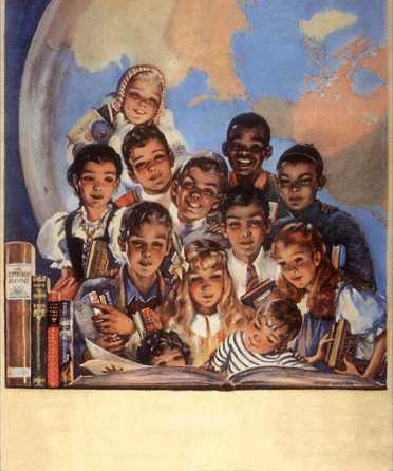
| Children are our only future, teach them well. | ||||||||||||||||||||||||||||||||||||
| What is a Kibbutz? Childcare in the Kibbutz Ifaluk Childcare Kibbutz Research 1955-1975 Changes in the Kibbutz The Future of US Childcare |
||||||||||||||||||||||||||||||||||||
|
||||||||||||||||||||||||||||||||||||
|
||||||||||||||||||||||||||||||||||||
|
|
||||||||||||||||||||||||||||||||||||
|
||||||||||||||||||||||||||||||||||||
|
||||||||||||||||||||||||||||||||||||
|
|
||||||||||||||||||||||||||||||||||||
|
|
||||||||||||||||||||||||||||||||||||
|
|
||||||||||||||||||||||||||||||||||||