
Home page |
Bread |
Cookies |
Pie |
Cake |
A little cookie history: The first cookies were created by accident. Cooks used a small amount of cake batter to test their oven temperature before baking a large cake. These little test cakes were called "koekje", meaning "little cake" in Dutch. Originally called "little cakes," cookies are made with sweet dough or batter, baked in single-sized servings and eaten out-of-hand. Perfect for snacking or as dessert, cookies are consumed in 95.2 percent of U.S. households. Americans alone consume over 2 billion cookies a year, or 300 cookies for each person annually. Cookies are most often classified by method of preparation - drop, molded, pressed, refrigerated, bar and rolled. Their dominant ingredient, such as nut cookies, fruit cookies or chocolate cookies, can also classify them. Whether gourmet, soft or bite-sized cookies, new categories are always cropping up as the American appetite for cookies continues to grow. 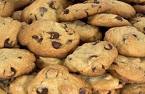 COOKIES - are broadly classified according to how they formed cookies come in different shape, size and texture. 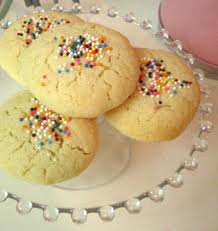 DROP COOKIES - are madefrom a relatively soft dough that is dropped by spoonfuls onto the cookie sheets.  BAR COOKIES - batter is a spread evenly in a shallow pan then baked. After baking they are cooled then cut into bars. 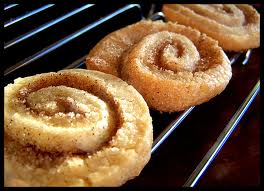 ROLLED COOKIES - is a chilled for easier handling then rolled cut with the rolling pin. Cut into various shapes then baked. 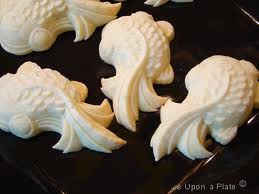 MOLDED COOKIES - is shaped by hand after chilling or pressed into ready made cookie molds. 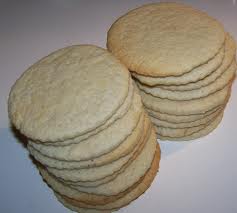 SOFT COOKIES - must be cooled then kept in tightly covered containers to preserve their moistness. 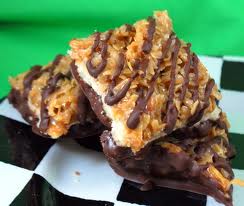 BAR TYPE COOKIES - may be kept covered with plastic wrap in the pan.  UNCOOKED COOKIES - must be well wrapped then stored either in refrigerator or freezer. |