
On this page:
*Science/Social Studies- Biomes and Native American Tribes
*Math Challenge
*P.E. Challenge


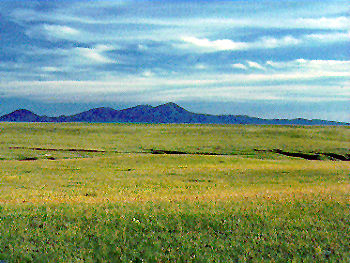
Rain: 10 - 30 inches a year
Weather: It has four seasons with hot summers and cold, harsh winters.
Soil: The soil is rich, deep and fertile. It is good for growing crops.
Types of grassland: 1. Tall grass-nearest the Mississippi
River
2. Mixed grass - central part of the U.S.
3. Short grass - in the western plains,
near the desert.
Examples of types of plants:
Plants: big bluestem grass, milkweed, coneflower, blazingstar, stinging nettle, and poison ivy
Trees: box elder, silver maple, red bud
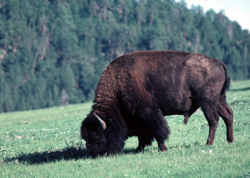
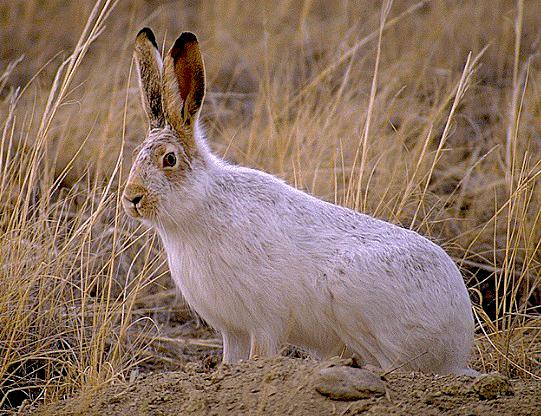
Examples of types of animals: earthworm, grasshopper, jack rabbit, black-footed ferret, skunk, black-tailed prarie dog, hawk, wolf, pronghorn, and bison.
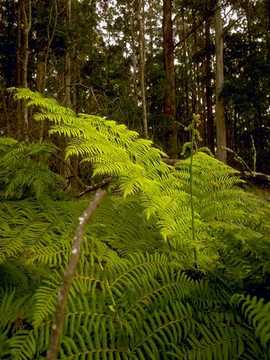
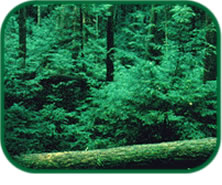
Rain: 30 - 60 inches a year
Weather: It has four seasons and gets both rain and snow. It is warm in the summer and cold in the winter.
Soil: The soil is fertile. It is good for growing.
Layers: 1. Tree stratum: tallest trees - 60 - 100 feet high
2. Small tree/sapling - short trees and young trees
3. Shrub layer - shrubs and bushes
4. Herb layer - short plants
5. Ground layer - lichens and mosses
Examples of types of plants:
Trees: oak, maple, beech, chestnut, hickory, elm, basswood, linden and walnut
Shrubs: azaleas, huckleberries, and mountain laurels
Plants: ferns and a few other shade-loving plants
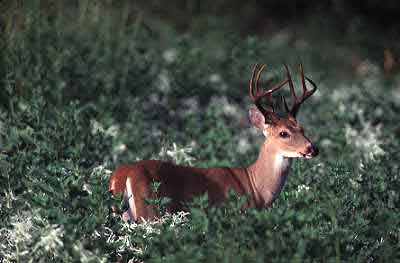
Examples of types of animals: ant, earthworm, cardinal, nightingale, owl, newt, opossum, beaver, white-tailed deer, red fox, black bear, and brown bear.


Type of house: They built tipis from tall sticks and bison/buffalo hide. The tipis were easy to take down and put up because the Sioux moved around a lot.
Family: The mother,father and children lived in the tipi.
Food:They hunted bison and other small animals. Some tribes grew corn. They gathered wild vegetable and berries.
Travel: They traveled by walking and later by horse when the Spanish brought horses to the plains. They moved around following the herds of bison. They also used a "travois" to help them move their things.A travois is built by taking the sticks from the tipi and making them into a big triangle. They are tied together and a piece of hide was put in the middle. Then they could carry or drag the travois with their things piled on top.
Clothes:They used deer or buffalo hide for their clothing. They also used feathers and beads to decorate their clothing.
Art: They painted designs on their tipis. Each family's tipi would be unique. The paintings might also tell stories about the family or the tribe.
Type of house: They built longhouses from bent saplings and bark. They had raised shelved inside for storing things. They slept on hides. Several families lived in one longhouse and fires were built down the middle.
Family: They lived with their clan. The clan was based on your mother. The children lived with the mother's clan in a longhouse. The mother's brother would help take care of the children.
Food:They hunted deer and small animals. They fished, and gathered berries, fruits, nuts from the forest. They grew squash, beans and corn (the Three Sisters).
Travel: They traveled by walking or used canoes in the rivers.
Clothes:They made their clothes and mocassins from deerskin.
Art: They used beads and shells to decorate their clothes and make belts and shoulder bags.



My friends and I made 29 snowballs. There were four of us and we wanted to split the snowballs equally for a snowball fight. How many snowballs would we each get? Are there any left over? (The answer will be in next month's website.)
Grand total number of birds given = 184 birds
This was a tricky one. The trick was that each day, the true love gave more and more birds. There are two ways to figure it out:
1. On the first day he gave a partridge in a pear tree. Total: 1 bird. On the second day he gave 2 turtle doves and a partridge in a pear tree - three birds that day for a Total: 4 birds. On the third day he gave three French hens, two turtle doves and a partridge in a pear tree - six birds for a Total: 10 birds, etc.
OR
2. The true love gave a partridge each day for 12 days = 12 partridges
He gave 2 turtle doves each day for 11 days = 22 turtle doves
He gave 3 French Hens each day for 10 days = 30 French hens, etc. Then just add them all up!
Either way you figure it out at the end, the Grand Total number of birds given: 184 birds