IST238 PROJECTS
 |
 |
 |
 |
 |
 |
|
|
|
|
|
|
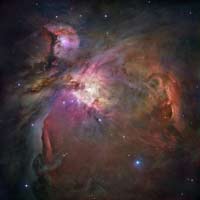 |
What is Nebula? |
Have you ever wondered what "nebula" really means. Originally, the word "nebula" referred to almost any astronomical object (other than planets and comets). The etymological root of "nebula" means "cloud". The modern usage of the word "nebula" is sometimes confusing. We sometimes use the word "nebula" to refer to galaxies, various types of star clusters and various kinds of interstellar dust/gas clouds. More strictly speaking, the word "nebula" should be reserved for gas and dust clouds and not for groups of stars. Therefore, this is the type of nebula that we will explore here:
Name |
Distance |
Constellation |
Facts |
Image |
|---|---|---|---|---|
950 Light Years |
Cassiopeia |
Named after astronomer Bart Bok. |
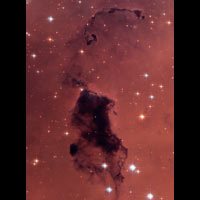 |
|
1,500 Light Years |
Orion |
Looks like a work of art. |
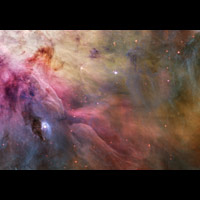 |
|
3,000 Light Years |
Draco |
One of the first and most complex planetary nubulae. |
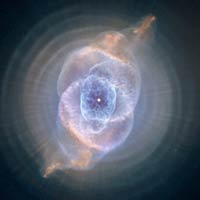 |
|
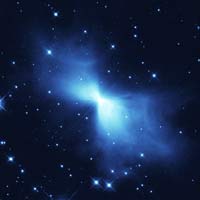
5,000 Light Years |
Centauras |
Bow type shape of this nebula makes it quite different. |
 |
|
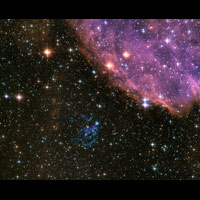
210,000 Light Years |
Tucana |
Like a fireworks display here on earth. |
 |
Images and Data thanks to: