|
|
|
| A Personal Unofficial Web Page | This page was created using Microsoft Front Page. Some features, i.e. titles, are not compatible with some web browsers. Firefox is one example of lack of compatibility. |
 |
|
 |
|
|
|
 PAGE 2 |
|
|
A Frank Odell Web Page
|
|
|
|
| A Personal Unofficial Web Page | This page was created using Microsoft Front Page. Some features, i.e. titles, are not compatible with some web browsers. Firefox is one example of lack of compatibility. |
|
|
|
|
|
|
PAGE 2 |
|
| FBM
SUBMARINES There are four classes of Fleet Ballistic Missile submarines. They are: GEORGE WASHINGTON Class - about 382 feet long and about 6,700 tons. ETHAN ALLEN Class - about 410 feet long and about 7,900 tons. LAFAYETTE Class - about 425 feet long and about 8,250 tons. OHIO Class - about 560 feet long and about 18,700 tons. GEORGE WASHINGTON CLASS* USS GEORGE WASHINGTON (SSBN 598) USS PATRICK HENRY (SSBN 599) USS THEODORE ROOSEVELT (SSBN 600) USS ROBERT E. LEE (SSBN 601) USS ABRAHAM LINCOLN (SSBN 602) ETHAN ALLEN CLASS** USS ETHAN ALLEN (SSBN 608) USS SAM HOUSTON (SSBN 609) USS THOMAS A. EDISON (SSBN 610) USS JOHN MARSHALL (SSBN 611) USS THOMAS JEFFERSON (SSBN 618) LAFAYETTE CLASS*** USS LAFAYETTE (SSBN 616) USS ALEXANDER HAMILTON (SSBN 617) USS ANDREW JACKSON (SSBN 619) USS JOHN ADAMS (SSBN 620) USS JAMES MONROE (SSBN 622) USS NATHAN HALE (SSBN 623)
|
USS DANIEL BOONE (SSBN 629) USS JOHN C. CALHOUN (SSBN 630) USS ULYSSES S. GRANT (SSBN 631) USS VON STEUBEN (SSBN 632) USS CASIMIR PULASKI (SSBN 633) USS STONEWALL JACKSON (SSBN 634) USS SAM RAYBURN (SSBN 635) USS NATHANIAL GREENE (SSBN 636) USS BENJAMIN FRANKLIN (SSBN 640) USS SIMON BOLIVAR (SSBN 641) USS KAMEHAMEHA (SSBN 642) USS GEORGE BANCROFT (SSBN 643) USS LEWIS AND CLARK (SSBN 644) USS JAMES K. POLK (SSBN 645) USS GEORGE C. MARSHALL (SSBN 654) USS HENRY L. STIMSON (SSBN 655) USS GEORGE WASHINGTON CARVER (SSBN 656) USS FRANCIS SCOTT KEY (SSBN 657) USS MARIANO G. VALLEJO (SSBN 658) USS WILL ROGERS (SSBN 659) *These first five carried the POLARIS A-1. All have been converted to carry the POLARIS A-3. A-1is officially retired from active fleet duty. **These submarines deployed carrying the POLARIS A-2 missile. All five have been converted to carry the A-3 missile. A-2 is officially retired from active fleet duty. ***All 31 have completed conversion to POSEIDON C-3 capability.
|
|||||||||||||||||||||||||||||||||||||||||||||||||||||||||||||||||||||||||||||||||||||||||||||||||||||||||||||||||||||||||||||||||||||||||||||||||||||||||||||||||||||||||||||||||||||||||||||||||||||||||||||||||||||||||||||||||||||||||||||||||||||||||||||||||||||||||||||||||||||||||||||||||||||||||||||||||||||||||||||||||||||||||||||||||||||||||||||||||||||||||||||||||||||||||||||||||||||||||||||||||||||||||||||||||||||||||||||||||||||||||||||||||||||||||||||||||||||||||
|
||||||||||||||||||||||||||||||||||||||||||||||||||||||||||||||||||||||||||||||||||||||||||||||||||||||||||||||||||||||||||||||||||||||||||||||||||||||||||||||||||||||||||||||||||||||||||||||||||||||||||||||||||||||||||||||||||||||||||||||||||||||||||||||||||||||||||||||||||||||||||||||||||||||||||||||||||||||||||||||||||||||||||||||||||||||||||||||||||||||||||||||||||||||||||||||||||||||||||||||||||||||||||||||||||||||||||||||||||||||||||||||||||||||||||||||||||||||||||
| MISSILE GUIDANCE The guidance system, composed of precise gyroscopes and accelerometers and its own computer, directs the missile toward a correct trajectory after launch, compensating for high winds and other effects, maintaining missile stability and triggering re-entry body separation. Separation occurs and the payload continues on the ballistic trajectory to the target. TRIDENT-I (C-4) MK 5 guidance performs all functions of the all-inertial MK 3 POSEIDON guidance plus a stellar inertial function to permit meeting comparable C-3 accuracy objectives at the longer C-4 missile range. NAVIGATION Two positions must be known for success in missile launching target and launcher. In the FBM system, this puts great importance on navigation since the position of the launcher is the position of the ship and is continuously changing. Several methods complement each other in the FBM submarine to provide a very high order of accuracy in determining ship's position. Heart of the system is the Ship's Inertial Navigation System (SINS), a complex system of gyroscopes, accelerometers, and computers, which relate movement and speed of the ship in all directions to true north to give a continuous report of ship position. Systems similar to the SINS used in FBM submarines guided the NAUTILUS and SKATE on their historic voyages beneath the polar ice in 1958 and TRITON on her 84-day underwater cruise around the world in 1960. The converted MARINER Class cargo ship USS COMPASS ISLAND (AG-153), serving as navigation test ship for the FBM program, has steamed well over 100,000 miles on development tests of the submarine navigation system to provide an all weather capability of verifying the accuracy of SINS. These include both optical and electronic (devices, all highly automated. The TRIDENT-l (C-4) navigation subsystem is essentially the same design as that of the 616 Class POSEIDON SSBNs with the following improvements. Addition of an electrostatically supported gyro monitor (ESGM) to provide a significant increase in the allowable interval between fixes while maintaining current accuracies, thereby reducing submarine exposure; additional closed-loop air cooling; modifications for noise reduction; and re-engineering of sonar system and satellite receiver. FIRE CONTROL The fire control system is a large digital geoballislic computer which processes coordinated data like ship's location, local vertical, true north, and target location, and determines from these the proper trajectory for each of the missiles at any given moment. Because much of these data change in value as the ship moves about, the fire control computers can recompute all trajectories every few seconds for transfer to the missile guidance "memories." The fire control mechanism can prepare missiles for launch at the rate of about one per minute. COMMUNICATIONS Very low frequency radio communications with submerged submarines have been possible for a number of years. The systems used have been (devised with special care to protect the locations of the submarines and leave the advantage of concealment unimpaired. Continuing tests repeatedly demonstrate that the Navy's world-wide communications system has the power and coverage necessary to exercise command over the always-submerged FBM submarines. SUPPORT FACILITIES missile testing sites, two missile assembly facilities, material expediting and requisition control offices, sub-marine tenders, missile transport ships (T-AKs), a test instrumentation ship, and a navigational test ship (AG-153). The chief testing site is the Air Force Eastern Test Range under direct liaison with the Naval Ordnance Test Unit, Cape Canaveral, Florida. The Navy complex includes launch pads and blockhouses, missile assembly buildings, missile checkout buildings and associated supply, administration, and maintenance buildings. In addition, a Navy pier and associated port facilities at Cape Canaveral are maintained for SSBN and surface ship use.
(Up and right) |
On 16 October 1971, Operational Test Support Unit Two (OTSU2) was
established. The mission of OTSU2 is to provide communications flight
safety and telemetry data acquisition capabilities in support of Fleet
Ballistic Missile operational flight tests in broad ocean areas. In
accomplishing this mission, 0TSU2 is embarked in the specially configured
Operational Test Instrumentation Ship, USNS RANGE SENTINEL (TAGM-22). The USNS RANGE SENTINEL and OTSU2 have a secondary mission as Support Ship for the POLARIS/POSEIDON Demonstration and Shakedown Operations (DASO) Program. Cape Canaveral, Florida, has been selected as the site of the initial flight test program for the TRIDENT-I (C-4) missile and Bangor, Washington, has been selected as the location of the TRIDENT Support Site, now named Submarine Base (SUBASE), Bangor. TRIDENT-I facilities in support of the C-4 program at the Cape, i.e., missile checkout, launch complex and guidance and technology facilities, as well as wharf and turning basin, have been completed. A complete C-4 capability exists at the Cape. A wharf at SUBASE, Bangor, is presently under construction to provide for a TRIDENT-I missile outloads capability. Funding has been provided for missile production, operational, and support facilities. Kings Bay, Georgia, has been selected for construction of an East Coast refit site for FBM submarines due to the need to accommodate the withdrawal of a Navy FBM submarine squadron from Rota, Spain, effective in the summer of 1979. MISSILE LAUNCHING POLARIS, POSEIDON, and TRIDENT missiles are launched from the submarine by an air ejection or a gas/steam generator system. On POSEIDON and TRIDENT, a small fixed rocket is ignited and its exhaust directed through cooling water into the base of the launch tube. The missile is propelled from the tube, through the water, and to the surface. At that point, the missile's first stage rocket motor ignites and sends the missile on its way. The launching system takes advantage of the reliability and instantaneous ignition characteristics of solid propellant fuel used in POLARIS. The result is increased safety for submarine and crew. Each launch tube has its own launching system independent of the other tubes. Vital parts of each missile are accessible for inspection and maintenance even when loaded in the launching tubes and while the submarine is underway at sea. PERSONNEL AND TRAINING Each FBM submarine has two crews, designated BLUE and GOLD, of about 140 officers and men each. While one crew mans the ship on patrol, the other crew is at home port, undergoing refresher and advanced training, taking leave, training new crew members, and in general, getting ready to go back to sea. Each crew is made up of the highest caliber of men. Originally the main source for FBM personnel was from within the Navy. For the most part, the training required was only that needed in the specialized POLARIS field. But with the steady demand for more and more men as the POSEIDON submarine fleet has grown, and with the introduction of TRIDENT, most strategic weapon system trainees now are recruits and are the very best men our nation can make available. A special recruiting program for high school graduates guarantees technical training and operational experience in the FBM weapon system field. For men directly concerned with POLARIS/POSEIDON/TRIDENT strategic weapon systems, initial schooling can run for about 1 year, with advanced training continuing during the off-crew periods. Initial training is conducted at Naval Guided Missile School, Dam Neck, at Virginia Beach, Virginia. Schools for advanced and refresher training during off-crew periods are located at Groton, Connecticut; Charleston, South Carolina; Pearl Harbor, Hawaii; and Bangor, Washington. To be able to maintain and operate the equipment, FBM personnel must be
thoroughly familiar with the basic theory and fundamental physical
principles involved. Trainees must grasp the basics of digital computers,
inertial theory, computer logic, transistor theory, use of testing
devices, and so on. Much of this kind of training is available outside the
Navy only at the college level. |
|||||||||||||||||||||||||||||||||||||||||||||||||||||||||||||||||||||||||||||||||||||||||||||||||||||||||||||||||||||||||||||||||||||||||||||||||||||||||||||||||||||||||||||||||||||||||||||||||||||||||||||||||||||||||||||||||||||||||||||||||||||||||||||||||||||||||||||||||||||||||||||||||||||||||||||||||||||||||||||||||||||||||||||||||||||||||||||||||||||||||||||||||||||||||||||||||||||||||||||||||||||||||||||||||||||||||||||||||||||||||||||||||||||||||||||||||||||||||
| Like the FBM operational concept, each TRIDENT submarine will
have two crews, alternating on patrols, permitting maximum on-station
coverage, thus maximizing the effectiveness of the capital investment.
Training for new crews and advanced training for off-line crews will be
accomplished at the TRIDENT Training Facility (TRITRAFAC) at Bangor,
Washington. TRIDENT training will integrate the use of tactical equipment
and computer-based training technology to ensure the trainee's sound
assimilation of basic theory and fundamentals of operation and maintenance
of specific subsystems. Early, systematic definition of training
objectives supports preparation of procedures and techniques for
instruction and curricula for Courses of instruction to achieve those
objectives, complemented by a personnel and training evaluation plan to
provide feedback and improvement. Fundamental to the TRIDENT strategic weapon system training concept is the capability for immediate response to the following: training deficiencies; problems in the operation, maintenance, or support of the TRIDENT weapon system; and proposed and accomplished changes in the tactical program. The goal of this highly specialized training is to have the technician fully ready for his assigned responsibilities the day he becomes a POLARIS, POSEIDON, or TRIDENT submarine crewman. On patrol, an FBM submarine is literally a world unto itself. There is no calling for outside help. The submarine must be - and is - self-sufficient.
(Up and right) |
FLEET SUPPORT Because of the high system performance standards required for the complete FBM weapon system, special material expediting and requisition control offices have been established to ensure complete and timely fleet support. Requisitions for material to resupply the individual submarines not available at the advance site, requisitions to support the tender repair efforts, as well as requisitions for resupply of the tender stock, are all submitted via the POLARIS Material offices (PMO), to establish positive requisition control and to ensure all materials are shipped to the site in a timely manner. Material follow-up, special expediting, shipment mode (determination, and shipment tracing are services for all FBM submarines during overhaul or conversion. PMOs are established at Charleston, S.C. and Bremerton, Washington. SHIPYARD There are five FBM submarine tenders; four of these have been converted to POSEIDON (C-3) capability. The two AS 31 Class tenders 5-2-61will have a C-3 support capability only, but may be retrofitted to an A-3 only capability during a 2-month shipyard availability. The two AS 33 Class tenders will be backfitted to TRIDENT-I (C-4) capability during regularly scheduled intervals; C-3 capability will be retained. AS 19 will retain 10-10-62 PN 4-10-68 CH 9-26-75 CH POLARIS (A-3) capability. |
|||||||||||||||||||||||||||||||||||||||||||||||||||||||||||||||||||||||||||||||||||||||||||||||||||||||||||||||||||||||||||||||||||||||||||||||||||||||||||||||||||||||||||||||||||||||||||||||||||||||||||||||||||||||||||||||||||||||||||||||||||||||||||||||||||||||||||||||||||||||||||||||||||||||||||||||||||||||||||||||||||||||||||||||||||||||||||||||||||||||||||||||||||||||||||||||||||||||||||||||||||||||||||||||||||||||||||||||||||||||||||||||||||||||||||||||||||||||||
|
||||||||||||||||||||||||||||||||||||||||||||||||||||||||||||||||||||||||||||||||||||||||||||||||||||||||||||||||||||||||||||||||||||||||||||||||||||||||||||||||||||||||||||||||||||||||||||||||||||||||||||||||||||||||||||||||||||||||||||||||||||||||||||||||||||||||||||||||||||||||||||||||||||||||||||||||||||||||||||||||||||||||||||||||||||||||||||||||||||||||||||||||||||||||||||||||||||||||||||||||||||||||||||||||||||||||||||||||||||||||||||||||||||||||||||||||||||||||||
|
||||||||||||||||||||||||||||||||||||||||||||||||||||||||||||||||||||||||||||||||||||||||||||||||||||||||||||||||||||||||||||||||||||||||||||||||||||||||||||||||||||||||||||||||||||||||||||||||||||||||||||||||||||||||||||||||||||||||||||||||||||||||||||||||||||||||||||||||||||||||||||||||||||||||||||||||||||||||||||||||||||||||||||||||||||||||||||||||||||||||||||||||||||||||||||||||||||||||||||||||||||||||||||||||||||||||||||||||||||||||||||||||||||||||||||||||||||||||||
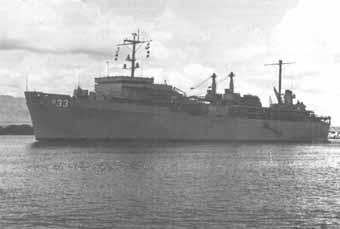
| SHIPYARD There are five FBM submarine tenders; four of these have been converted to POSEIDON (C-3) capability. The two AS 31 Class tenders will have a C-3 support capability only, but may be retrofitted to an A-3 only capability during a 2-month shipyard availability. The two AS 33 Class tenders will be backfitted to TRIDENT-I (C-4) capability during regularly scheduled intervals; C-3 capability will be retained. AS 19 will retain POLARIS (A-3) capability. |
 |
|||||||||||||||||||||||||||||||||||||||||||||||||||||||||||||||||||||||||||||||||||||||||||||||||||||||||||||||||||||||||||||||||||||||||||||||||||||||||||||||||||||||||||||||||||||||||||||||||||||||||||||||||||||||||||||||||||||||||||||||||||||||||||||||||||||||||||||||||||||||||||||||||||||||||||||||||||||||||||||||||||||||||||||||||||||||||||||||||||||||||||||||||||||||||||||||||||||||||||||||||||||||||||||||||||||||||||||||||||||||||||||||||||||||||||||||||||||||||
| FBM SUBMARINES AND THEIR SPONSORS USS GEORGE WASHINGTON
(SSBN 598) USS PATRICK HENRY (SSBN 599) USS THEODORE ROOSEVELT (SSBN 600) USS ROBERT E. LEE (SSBN 601) USS ABRAHAM LINCOLN (SSBN 602) USS ETHAN ALLEN (SSBN 608) USS SAM HOUSTON (SSBN 609) USS THOMAS A. EDISON (SSBN 610) USS JOHN MARSHALL (SSBN 611) USS LAFAYETTE (SSBN 616) USS ALEXANDER HAMILTON (SSBN 617) USS THOMAS JEFFERSON (SSBN 618) USS ANDREW JACKSON (SSBN 619) USS JOHN ADAMS (SSBN 620) USS JAMES MONROE (SSBN 622) USS NATHAN HALE (SSBN 623) USS WOODROW WILSON (SSBN 624) USS HENRY CLAY (SSBN 625) Mrs. Green B. Gibson USS DANIEL WEBSTER (SSBN 626) Mrs. W. 0. Goodrich, Jr. USS JAMES MADISON (SSBN 627) USS TECUMSEH (SSBN 628) USS DANIEL BOONE (SSBN 629) USS JOHN C. CALHOIIN (SSBN 630) USS ULYSSES S. GRANT (SSBN 631) USS VON STEUBEN (SSBN 632) USS CASIMIR PULASKI (SSBN 633) USS STONEWALL JACKSON (SSBN 634) USS SAM RAYBURN (SSBN 635) USS NATHANAEL GREENE (SSBN 636) USS BENJAMIN FRANKLIN (SSBN 640) USS SIMON BOLIVAR (SSBN 641) USS KAMEIJAMEHA (SSBN 642) USS GEORGE BANCROFT (SSBN 643) USS LEWIS AND CLARK (SSBN 644) USS JAMES POLK (SSBN 645) USS GEORGE C. MARSHALL (SSBN 654) USS HENRY L. STIMSON (SSBN 655) USS GEORGE WASHINGTON CARVER (SSBN 656) USS FRANCIS SCOTT KEY (SSBN 657) USS MARIANO G. VALLEJO (SSBN 658) USS WILL ROGERS (SSBN 659) |
MAJOR CONTRACTORS AND GOVERNMENT AGENCIES More than 20,000 contractors and government agency personnel are engaged in work on the FBM system. Some major contractors and government agencies are listed below. FBM Electric Boat Division Charleston Naval Shipyard Newport News Shipbuilding and Drydock Co. Mare Island Naval Shipyard Portsmouth Naval Shipyard Puget Sound Naval Shipyard Submarine Westinghouse Electric Corp. General Electric Corp. Navigation Autonetics Division Sperry Systems Management Div. Communications Sylvania Electric Products Co. Princeton Labs, RCA Bell Telephone Labs International Telephone and Telegraph Labs Fire Control General Electric Co. Hughes Aircraft Co. Naval Weapons Laboratory Control Data Corporation Missile Checkout Northrop Corp. Launching Westinghouse Electric Corp. Missile System Manager Lockheed Missile and Space Co. Missile Propulsion Aerojet-General Corp. Hercules Incorporated Missile Guidance Massachusetts Institute of Technology General Electric Corp. Hughes Aircraft Corp. Minneapolis-Honeywell Regulator Co. Raytheon Co. Warhead Lawrence Livermore Lab Instrumentation Interstate Electronics Corp. Weapon System Vitro Laboratories Applied Physics Laboratory |
|||||||||||||||||||||||||||||||||||||||||||||||||||||||||||||||||||||||||||||||||||||||||||||||||||||||||||||||||||||||||||||||||||||||||||||||||||||||||||||||||||||||||||||||||||||||||||||||||||||||||||||||||||||||||||||||||||||||||||||||||||||||||||||||||||||||||||||||||||||||||||||||||||||||||||||||||||||||||||||||||||||||||||||||||||||||||||||||||||||||||||||||||||||||||||||||||||||||||||||||||||||||||||||||||||||||||||||||||||||||||||||||||||||||||||||||||||||||||
 |
 |
|||||||||||||||||||||||||||||||||||||||||||||||||||||||||||||||||||||||||||||||||||||||||||||||||||||||||||||||||||||||||||||||||||||||||||||||||||||||||||||||||||||||||||||||||||||||||||||||||||||||||||||||||||||||||||||||||||||||||||||||||||||||||||||||||||||||||||||||||||||||||||||||||||||||||||||||||||||||||||||||||||||||||||||||||||||||||||||||||||||||||||||||||||||||||||||||||||||||||||||||||||||||||||||||||||||||||||||||||||||||||||||||||||||||||||||||||||||||||
| COMMUNICATIONS | |||
 ...Overview of
the Fleet Ballistic Missile Program. Page 1. ...Overview of
the Fleet Ballistic Missile Program. Page 1. |
...Overview of the Fleet Ballistic
Missile Program. List of FBM Submarines. Page 2. You are here now. |
...Chronology of the Fleet Ballistic
Missile Program. September 1955 through December 1964. Page 3. |
...Chronology of the Fleet Ballistic
Missile Program. January 1965 through March 1978. Page 4. |
|
...Primary submarine page for this
site. |
...USNS
RANGE SENTINEL, T-AGM 22 |
...Greenpeace
attacked USNS Range Sentinel. |
...USS Ruchamkin supporting the FBM program. |
|
...FBM
guys on the web |
...Some
messages from our shipmates. |
...Photographs
of USN submarines. |
...C-Span
submarine site. |
|
...Underwater
navigation system. |
...Naval
& Maritime Links. |
...Underwater
Research Laboratory. |
...The World Wide Web
Virtual Library: Naval and Maritime
|
![[Go home]](images80/hp1.gif) |
![[Site Map]](images80/sitemap.gif) |
![[Airplanes]](images80/a1.gif) |
![[Sailing]](images80/s1.gif) |
![[Submarines]](images80/sub1.gif) |
 |
 |
![[Calmness]](images80/artmusic.gif) |
 |
![[Work resume]](images80/wr1.gif) |
 ......Glad to hear from you. ......Glad to hear from you. |
|
| Page By Frank C Odell: April 27, 2004 Merritt Island, Florida, USA Improved: 05/05/04 05/07/04 06/03/05 BOTTOM OF PAGE |
|||

