 |
|
|
|
|
|
|
|
|
|
|
|
|
|
|
|
|
|
|
|
|
|
|
|
|
|
Elgin Settlement |
|
|
|
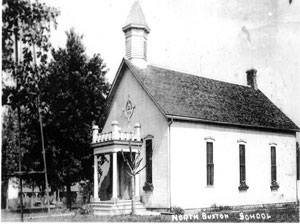
Elgin also known as the Buxton Mission at Buxton, Ontario was founded in 1849 by white Presbyterian minister Reverend William King as a planned community for those fleeing from American enslavement 9000 acres near Chathamwere purchased by the Elgin Association through the Presbyterian Synod for $4000. The first settler, Isaac Riley, was already waiting at the settlement before King arrivedand eagerly greeted the newcomers. Unlike the earlier communities,there were no free land grants at Elgin. Formerly enslaved men, including 15 from King's property in Louisiana could purchase 50 acre lots with payments spread over 10 years. |
|
|
 |
|
|
|
|
|
|
Rev. King created a set of rules for the settlement; |
|
|
I left the States for Canada, for rights, freedom, liberty. I came to Buxton to educate my children.
Henry Johnson |
|
|
|
|
|
|
Rules for the Elgin Settlement:
-No liquor allowed on the settlement
-Land could only be sold to blacks and had to remain in their hands for ten years
-Land had to be purchased not leased
-Each house had to be built at least 24x18x12 feet with a porch across the front
-Each house had to be built 33 feet from the road, with a picket fence and flower garden in front; prizes were given for the most attractive home |
|
|
|
|
|
The Buxton mission was named after the British Earl of Buxton who passed the Emancipation Act of 1833. By 1856 the Elgin settlement had a post office, store, a two story hotel, a blacksmith, a carpenter, shoe shops, saw mill, factories and a savings bank. Although designed to service the families of the Elgin Settlement, the schools started by Rev. King were never segregated and regarded highly for their classical curriculum along with that of vocational skill training. Six men had finished their education at King's school by1856 including
Dr. Anderson Abbott. |
|
|
|
After the Civil War, many of the younger members of the settlement returned to the United States to reunitewith families and take part in the Reconstruction. By 1873 The Elgin Association was discontinued but the settlement remained. |
|
|
|
Home |
|
|
|
Africans in Canada |
|
|
|
|
Dr. Anderson Abbott |
|
|
|
|
|
|
|
|
|
|
|
|
|
|
|
|