 |
|
|
|
|
|
|
|
|
|
|
|
|
|
|
|
|
|
|
|
|
|
|
|
|
|
JAPANESE KIMONO |
|
|
|
 |
|
|
|
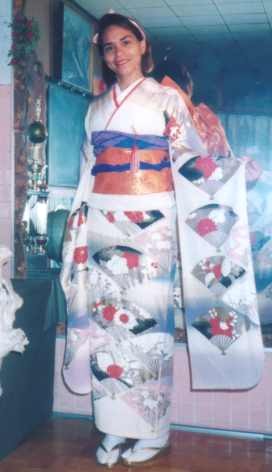
The kimono is the traditional clothing of Japan. Kimono styles have changed significantly from one period of Japan's history to another, and today there are many different types of kimono worn by men, women, and children. |
|
|
|
|
|
 |
|
|
|
|
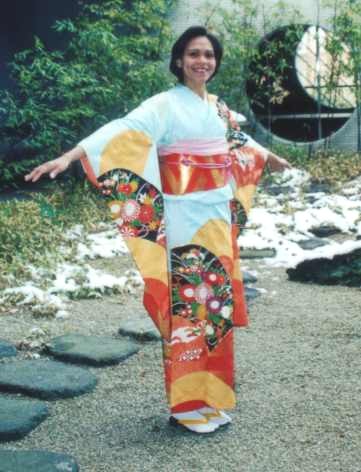
The cut, color, fabric, and decorations of a kimono may vary according to the sex, age, and marital status of the wearer, the season of the year, and the occasion for which the kimono is worn. Of modern kimono, women's kimono are the most elaborate and varied in style and design. Fabric, color, sleeve length, and the details of the obi and how it is tied vary according to the wearer's age, social status, marital status and season. |
|
|
|
|
|
|
 |
|
|
|
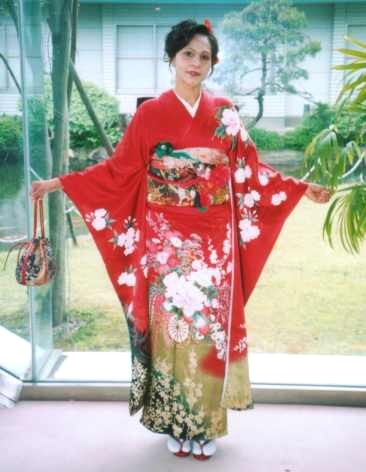
The sleeves of the kimono indicate the age and marital status of a woman. A young unmarried woman would wear a furisode, a colorful kimono with flowing sleeves that hang almost to the ankles. The Furisode, made of of chirimen and decorated by yuuzen, is appropriate to wear on formal and ceremonial occasions, such as weddings. In contrast, a married woman wears a kimono with a short sleeve. |
|
|
|
|
|
 |
|
|
|
|
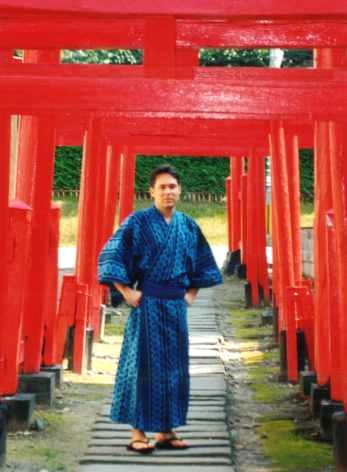
In the Summer a man may wear a yukata with wooden geta sandals to a festival or a temple. |
|
|
|
|
|
Cosmopolitan Tokyo |
|
|
|
|
|
see our trip to Kyoto |
|
|
|
|
|
see the four seasons in Japan |
|
|
|
|