
Explore.
Discover.
Learn.
APPLICATIONS
Biotechnology has applications in four major industrial areas, including health care (medical), crop production and agriculture, non food (industrial) uses of crops and other products (e.g. biodegradable plastics, vegetable oil, biofuels), and environmental uses.
For example, one application of biotechnology is the directed use of organisms for the manufacture of organic products (examples include beer and milk products). Another example is using naturally present bacteria by the mining industry in bioleaching. Biotechnology is also used to recycle, treat waste, cleanup sites contaminated by industrial activities (bioremediation), and also to produce biological weapons.
 |
 |
|
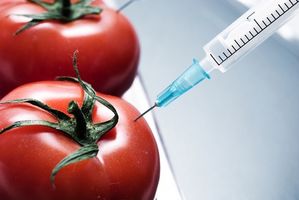
Green biotechnology is biotechnology applied to agricultural processes. An example would be the selection and domestication of plants via micropropagation. Another example is the designing of transgenic plants to grow under specific environments in the presence (or absence) of chemicals. One hope is that green biotechnology might produce more environmentally friendly solutions than traditional industrial agriculture. An example of this is the engineering of a plant to express a pesticide, thereby ending the need of external application of pesticides. An example of this would be Bt corn. Whether or not green biotechnology products such as this are ultimately more environmentally friendly is a topic of considerable debate. |
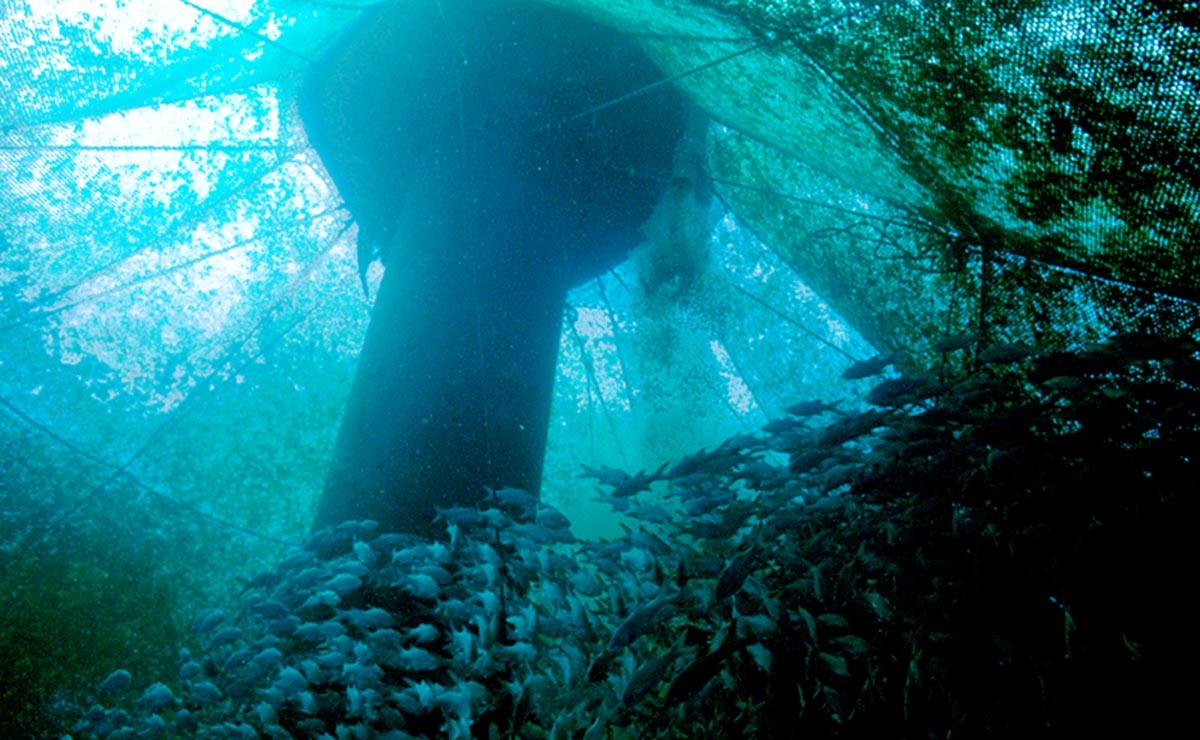
Blue biotechnology is a term that has been used to describe the marine and aquatic applications of biotechnology, but its use is relatively rare. |
 |
 |
|
Red biotechnology is applied to medical processes. Some examples are the designing of organisms to produce antibiotics, and the engineering of genetic cures through genetic manipulation. |
White biotechnology, also known as industrial biotechnology, is biotechnology applied to industrial processes. An example is the designing of an organism to produce a useful chemical. Another example is the using of enzymes as industrial catalysts to either produce valuable chemicals or destroy hazardous/polluting chemicals. White biotechnology tends to consume less in resources than traditional processes used to produce industrial goods |