|
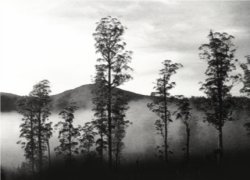
Messymate Stringybark
Nutrients taken from the soil by vegetation must be replenished if the life of a forest is to continue. Some nutrients are returned in the form of dung deposited by animals that feed on the plants, others return to the forest floor in the form of dead leaves and detritus. This material must be broken down before it can replenish the soil and be made ready for recycling. In eucalypt forests this task falls to tiny invertebrates, among them a variety of mites. The mites in return provide food for larger invertebrates such as spiders and false scorpions. Millipedes, centipedes and snails also contribute to the breakdown of plant and animal refuse. The rate of breakdown and recycling is slower in sclerophyll forests than in the rainforests partly because chemicals found in the leaves of many eucalypts. trees growing in nutrient-poor soils must conserve energy, and leaf production is 'energy-expensive'. The chemicals, in making its leaves less palatable to animals such as the koala and Brush-tail possums, are therefore advantageous to the plant. However, the price of this protection is that nutrients from the leaves are slow in returning to the soil.
[page 1, 2, 3, 4, 5, 6, 7 ]webmistress What does that mean? set design©Kids4ME2004 Music - The Forest Speaks
|