
Importance of Chemistry
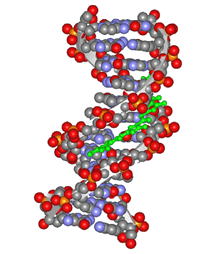
Chemistry is indeed important. Every thing we do is chemistry. Let's start from the moment we woke up. Brushing teeth in the morning, cooking food, eating and taking a bath. All of this uses Chemistry. The toothpaste you used, the chemical change that happens when you cook, the digestion part when eating, and the water, soap and shampoo that you used in taking a bath.
Chemistry explains how food changes as you cook it, how it rots, how to preserve food, and how ingredients interact to make food.
You need to understand basic chemistry so you can understand how vitamins, supplements and drugs can help or harm you. Part of the importance of chemistry lies in developing and testing new medical treatments and medicines.
Branches of Chemistry
Organic Chemistry

Organic chemistry is a chemistry subdiscipline involving the scientific study of the structure, properties, and reactions of organic compounds and organic materials, i.e., matter in its various forms that contain carbon atoms. Study of structure includes using spectroscopy and other physical and chemical methods to determine the chemical composition and constitution of organic compounds and materials.Study of properties includes both physical properties and chemical properties, and uses similar methods as well as methods to evaluate chemical reactivity, with the aim to understand the behavior of the organic matter in its pure form (when possible), but also in solutions, mixtures, and fabricated forms. The study of organic reactions includes both their preparation—by synthesis or by other means—as well as their subsequent reactivities, both in the laboratory and via theoretical (in silico) study.
Inorganic Chemistry
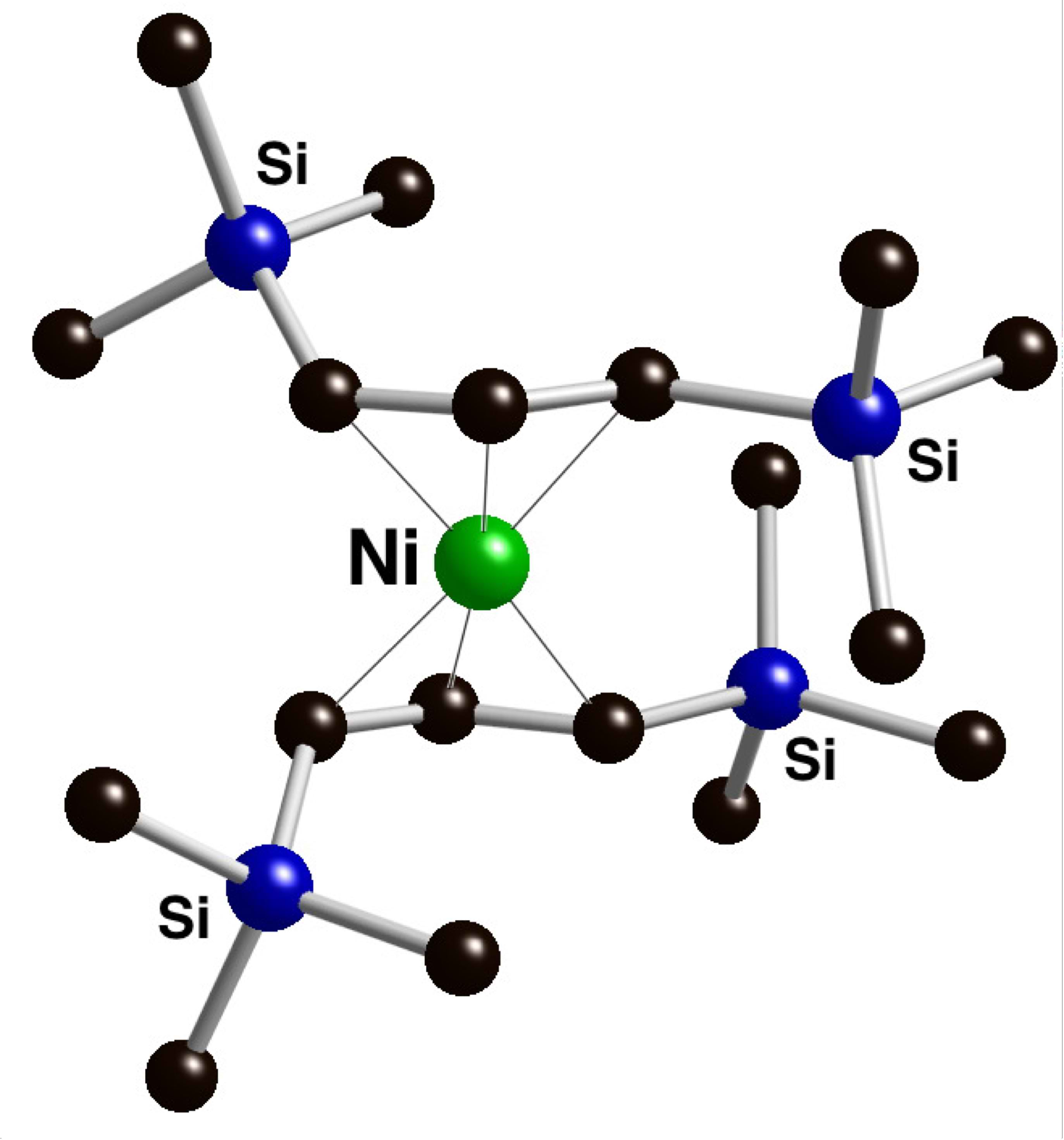
Inorganic chemistry is the study of the synthesis and behavior of inorganic and organometallic compounds. This field covers all chemical compounds except the myriad organic compounds (carbon based compounds, usually containing C-H bonds), which are the subjects of organic chemistry. The distinction between the two disciplines is far from absolute, and there is much overlap, most importantly in the sub-discipline of organometallic chemistry. It has applications in every aspect of the chemical industry–including catalysis, materials science, pigments, surfactants, coatings, medicine, fuel, and agriculture.
Physical Chemistry
Physical chemistry is the study of macroscopic, atomic, subatomic, and particulate phenomena in chemical systems in terms of laws and concepts of physics. It applies the principles, practices and concepts of physics such as motion, energy, force, time, thermodynamics, quantum chemistry, statistical mechanics and dynamics, equilibrium. Physical chemistry, in contrast to chemical physics, is predominantly (but not always) a macroscopic or supra-molecular science, as the majority of the principles on which physical chemistry was founded, are concepts related to the bulk rather than on molecular/atomic structure alone. For example, chemical equilibrium, and colloids.
Analytical Chemistry
Analytical chemistry is the study of the separation, identification, and quantification of the chemical components of natural and artificial materials. Qualitative analysis gives an indication of the identity of the chemical species in the sample, and quantitative analysis determines the amount of certain components in the substance. The separation of components is often performed prior to analysis. Analytical methods can be separated into classical and instrumental. Classical methods (also known as wet chemistry methods) use separations such as precipitation, extraction, and distillation and qualitative analysis by color, odor, or melting point. Quantitative analysis is achieved by measurement of weight or volume. Instrumental methods use an apparatus to measure physical quantities of the analyte such as light absorption, fluorescence, or conductivity.
Nuclear Chemistry
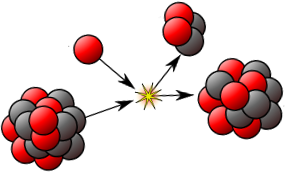
Nuclear chemistry is the subfield of chemistry dealing with radioactivity, nuclear processes and nuclear properties. It is the chemistry of radioactive elements such as the actinides, radium and radon together with the chemistry associated with equipment (such as nuclear reactors) which are designed to perform nuclear processes. This includes the corrosion of surfaces and the behavior under conditions of both normal and abnormal operation (such as during an accident). An important area is the behavior of objects and materials after being placed into a nuclear waste storage or disposal site. It includes the study of the chemical effects resulting from the absorption of radiation within living animals, plants, and other materials. The radiation chemistry controls much of radiation biology as radiation has an effect on living things at the molecular scale, to explain it another way the radiation alters the biochemicals within an organism, the alteration of the biomolecules then changes the chemistry which occurs within the organism, this change in biochemistry then can lead to a biological outcome.