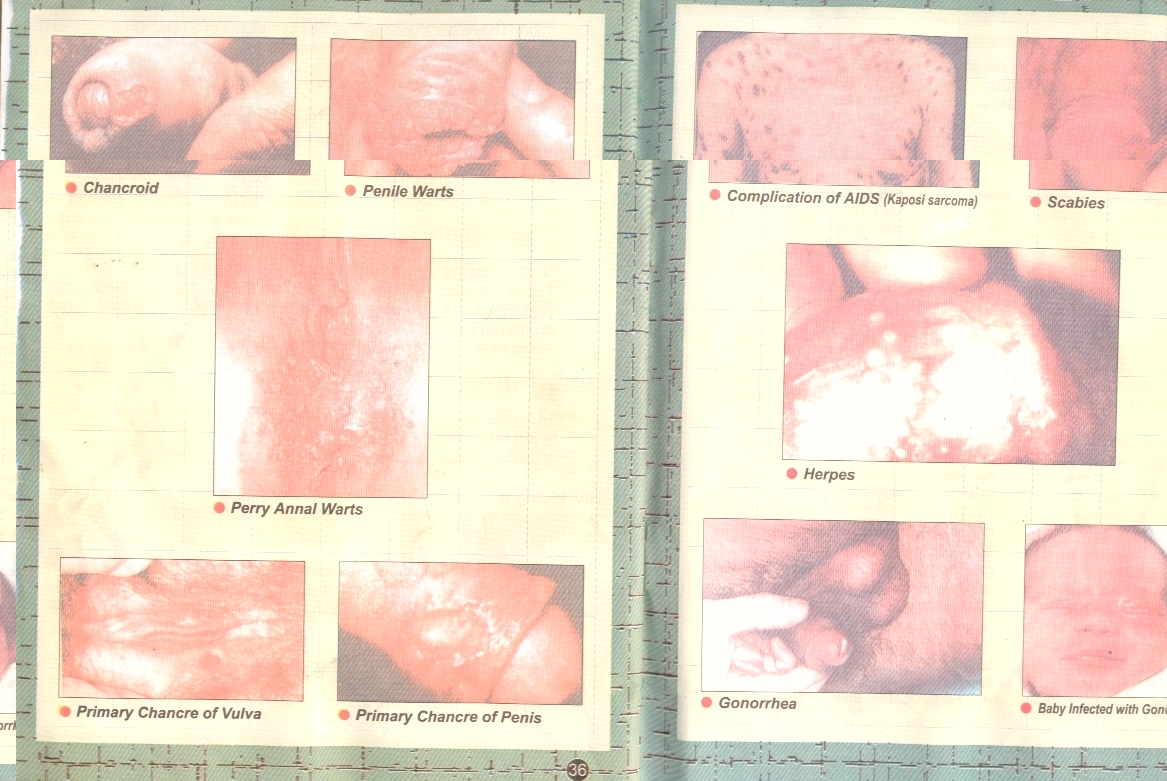
| HIV/AIDS AND OTHER COMMON SEXUALLY TRANSMITTED DISEASES (STUS) BY DR.C.C. OBIORAH INTRODUCTION HIV/AIDS and other common Sexually Transmitted Diseases (STUs) have coasted unquantifiable but obviously significant economic and emotional loss to our country Nigeria. As common as the knowledge of HIV/AIDS, some very ignorant people still believe that it is a myth. A friend of mine, an oil worker believes that every man will die one day and such dearth would be attributable to a couse which AIDS is one and so he doesn��t see why he should be extracareful about AIDS. A lot of young men share such view. This is unfortunate, it is a fart that the youths are the leaders of tomorrow and adults are leaders of today. It is also a fact that HIV infection is threatening man��s present and future very seriously. It is essential that awareness be extended aggressively to all nooks and crannies and social and all social strata of the society. There is an interesting link among these STDs- if you catch one, you have a high tendency to acquiring the other. So gonorrhea is no longer a common disease as the chance of contacting gonorrhea has afforded the chance of contacting HIV. Common STDs in the country today include but not limited to: 1 HIV/AIDS 2 Gonorrhea 3 Syphilis 4 Genital Herpes 5 Chlamydial Infection 6 Hepatitis B 7 Genital Warts 8 Chancroid 9 Trichomoniasis 10 Lymphogranuloma Vernereun 11 Scabies 12 Public Lice Understanding the basic facts about STDs �V the ways in which they are spread, their common symptoms and how they can be treated is the step towards prevention. Before going further, we have to understand at least, five key points about all the STDs in this country today. 1 STDs affect men and women of all backgrounds and economic levels. They are more prevalent among teenagers and young adults. 2 The incidence of STDs is rising, in part because in the last few decades, young people have become sexually active earlier yet are marrying later. 3 Many STDs initially cause no symptoms, particularly in women. When symptoms develop, they may be confused with those of other disease not transmitted thought sexual contact. However, even when an STD causes no symptoms, a person who is infected may be able to pass the disease no to a sex partner. That is why many doctors recommend periodic testing for people who have more than one sex partner. 4 Health problems caused by STDs tend to be more severe and more frequent for women than for men, in part because the frequency of symptomatic infections means that many women do not seek care until serious problems have developed. Some STDs can spread into the uterus (womb) and fallopian tubes to cause pelvic inflammatory disease (PID) which in turn is a major cause of both infertility and ectopic pregnancy that can be very dangerous. STDs can be passed from a mother to her baby before or during birth; some of these infections of the new born can be caused easily but others may cause a baby to be permanently disabled or even die. 5 when diagnosed and treated early, almost all STDs AND BE treaded effectively, the Most serious STD for which no cure now exists is AIDS, a fatal viral infection of the immune systems. Having STDs other than AIDS increases one��s risk for becoming infected with the AIDS virus. AN OVERVIEW OF SOME STDs HIV INFECTION AND AIDS: Aids stand for Acquired immunodeficiency Syndrome, and it is caused by a virus called HIV (Human Immunodeficincy Virus). This virus progressively destroys the body��s ability to fight off infections and certain cancers by killing or impairing cells of the immune system. Individuals diagnosed with AIDS are susceptible to the threatening infections caused by microbes that usually don��s cause harm to healthy people. DEFINITION: HIV is a retrovirus belonging to the lenti- viruses family i.e. virus family that causes very protracted illness. It has an enzyme called reverse transcripts, which enables it to change its characteristics spontaneously. Two genetically different but related form are noted of HIV �V 1 and �V 2. HIV 1 is commoner in Africa. HIV 2 infection runs a milder clinical cause that is also of longer duration than HIV 1. INCIDENCE IN NIGERIA: The first AIDS case was reported at the National Institute for Medical Research, Yaba 1986, subsequently few a symptomatic cases were seen in commercial sex workers in some part of Nigeria by 1987. The prevalent rate had risen from 0% currently i.e. Over 10million Nigerians currently live with HIV/AIDS. PATHOGENESIS (how dose HIV virus cause disease in man)?: There are two major targets of the virus: �� The immune system �� The nervous system The Immune System: The human body has several mechanisms of lighting extraneous agents including infective agents like bacteria, viruses, etc. This is called immune reaction of the body. The immune system is responsible for keeping the individual in a healthy state. The HIV virus upon infecting man goes straight to attack some of the immune cells. Specifically the Cd4 cells. The Cd4 cells are responsible for coordinating the body immune reactions. It could be likened to the commander of an armed battalion without who the entire battalion command will be functionless. Why does HIV attack Cd4 Cells? Cd4 cells have receptors, which HIV attacks. So the receptors attract the virus. Are there other cells types that are attacked? There is a general reduction in the number of these calls thus reducing their effect. There is also an alteration in the functional ability of those that are spared of dying. It is such that the normal immunological response of these cells is impaired so there is a sub optimal immune response. How does the virus achieve these effects? 1. Killing of the mature Cd4 cells 2. Interfering in the maturation process of the Cd4 cells such that a lot of them do not get to maturity, so there is shortage of supply of new ones. 3. Formation of syncytia giant cells. 4. Induction of apoptosis; a specialized kind of self-programmed self-death. 5. Alteration of antigen presentation. 6. Alteration of mechanism of memory cell function. Irony to note: 1. HIV does not destroy a quiescent cell, but activate cell. Cell activation is a defensive mechanism against any invading organism. So before a cell rises to fight HIV,HIV kills it 2. HIV infects tissue cells more than circulatory cells so that even if you decie to clear all circulatory cells, you can get in to tissues cells. 3. The infecting form of HIV is M-Strain, but the fatal form is the T-Strain and it has an ability to change its form from one to another., 4. It is an intracellular organism. 5. All these factors make it difficult to have a specific cure or vaccine against HIV. How do these effects manifest in the body? Course of infection: 3 phases are noted; 1. Early acute phase. 2. Middle chronicle phase 3. Final crisis phase. Early acute phase: This is initial response of an unknown competent person to HIV infection. It involves a high level of virus production, vireamia and Viral seeding of lymphoid tissues. Then there is antiviral immune response that checks these reaction.clinically, it manifest as self-limiting acute illness. The symptoms are not specific and include sore throat, muscle, pains, fever, weight loss and fatigue, also rash, cervical adenopathy, vomiting, diarrhea may occur. They occur 3-6 weeks after infection and resolve 2-4 weeks later. Middle Chronic phase: There is containment of HIV associated with clinical latency. The immune system is intact but there is continuos viral replication especially in the lymphoid tissue. Clinically, there is no symptom or mild and non-disturbing symptom like persistent generalized lymphodenopathy. There could also be minor opportunistic infection like herpes zoster, oral thrush. Final Crisis Phase there is host immune system breakdown. There is marking viraemia with more depletion of Cd4 cells. Clinically, patient present with long lasting fever, weakness, weight loss, diarrhea, Cd4 count is less than 500 cells/ul. Than progressively, there could be severe opportunistic infection, based on experience. There are indices for making a tentative diagnosis of HIV infection. They are: Minor Crisis: 1. Generalized lymphodenopathy 2. Oropharyngeal candidacies 3. Repeated common infections- (otitis, pharyngitis) 4. Persistent cough longer then one month 5. Generalized dermatitis 6. Confirmed maternal HIV infection. Major Signs: 1. Weight loss or abnormally slow growth 2. Chronic diarrhea long than one month 3. Fever longer than one month Adults Minor Signs: 1. Persistent cough longer than one month 2. Generalized itchy dermatitis 3. Recurrent herpes zoster 4. Oropharyngeal candidacies 5. Chronic progressive and disseminated herpes simplex infections 6. Generalized lymphadenopathy. AIDS in adults is diagnosed when there are at least two major and one minor symptom in the absence of know cause of immune suppression. In children, presence of the major and two minor signs at least gives off AIDS diagnosis. Diagnosis: HIV antibody presence in semen. Possibility of window period when there is a chance of not detecting HIV antibody due to non- formation of antibodies.usually between period of infection till 3-7 weeks after i.e. within 3-7 week of infection an infection an infected patient may still appear sero- negative. TRANSMISSION Sexual activity; heterosexuals, homosexuals, even oral sex. Contact with infected blood and products. Vigorous kissing. NON TRANSMISSIBLE METHODS Casual contains like sharing of food utensils, towels, bedding or cloths hugging or other forms of physical body contact. Not spread by mosquito bites or bed bug bites. TREATMENT The search for affective drug or efficacious vaccine in HIV infection has consumed untold human and material resources. Some positive results have emerged. HIV infection have gone past the stage of helpless pity to a stage of intervention, as there are various drug type that delay the progression of the illness by curtailing viral replication. The drugs are affordable and available. However, the prognosis with drug treatment. Every one is advised to go for screening. GONORRHEA This is caused by the gonococcus bacterium, this is most commonly spread during genital contact, but it can also be passed from the genitals of one partner to the throat of the other during oral sex. Gonorrhea of the rectum can also occur in people who practice anal intercourse. It can be passed from an infected woman to her new born infant during delivery. The early symptoms of gonorrhea often are mild and most wonrm include a painful or burning sensation when urinating or an abnormal vaginal discharge. More advanced symptoms which indicate progression to PID include abnormal pain, bleeding between menstrual periods, vomiting or fever. Men usually have a discharge from the penis and a burring sensation during urination that may be severe. Symptoms of rectal infection include discharge and itching, and sometimes-painful bowel movement. If gonorrhea not treated, the bacteria can spread to the bloodstream and infect the joints, heart valves, or the brain. The most common consequence of gonorrhea, however is PID, a serious infection of the female reproductive organs, which can scar or damage cells lining the fallopian tubes, resulting in infertility. The damage also prevents the proper passage of the fertilized egg into the uterus. If this happens, the egg may implant in the tube; this is called ectopic pregnancy and is and is life threatening to the mother if not detected early. SYPHILIS This is an STD caused by a bacterium. The bacterium can move through the body, damaging the organs over time. Medical experts described the course of the disease by dividing it into four stages- primary, secondary, latent and tertiary (late). An infected person who does not get treatment may infect other during the first two stages and during the early latent stages which lasts, which usually lasts 1 to 2 years. In its late stages, untreated syphilis although not contagious can cause serious heart abnormalities, mental disorders, blindness, other neurological problems and death. The bacterium spreads from the sores of an infected person to the mucous membrane of the genital area, the month or the anus of a sexual partner. It can be passed to an unborn child by a pregnant wonrm where it can cause physical and mental problem for the child. The first symptom of primary syphilis is a sore called a chancee. Because the chancre is ordinarily painless and sometimes occurs inside the body, it may go unnoticed. It is usually found on the part of the body exposed to the bacteria such as the penis, the vulva or the vagina. It can also be found in tongue, whether or not treatment is obtained. It not treated the disease progress into secondary syphilis, which is marked by a skin rash that appears anywhere, the rash may cover the whole body or appear only in few areas. Because active bacteria are present in these sores, any physical contact sexual or non-sexual with the broken skin of an infected person may spread the infection at this stage. The rash usually heals within several weeks or months. Other symptoms such as mild fever, fatigue, sore throat, swollen lymph gland all over the body may occur. Like the chancre of primary syphilis, this will disappear without treatment. If untreated, syphilis lapses into latent stage during which the disease is no long contagious. If untreated, this develops into late or tertiary syphilis in which the bacteria damages the eyes, heart, brain, bones or almost any other part of the body. This can last for years. Late syphilis can result in mental illness, blindness, heart disease and death. GENITAL HERPES This is a contagious viral infection. This infection is caused by herpes simplex virus. Genital herpes infection is usually acquired by sexual contact with someone who has an outbreak of herpes sores in the genital area. People with oral herpes can transmit the infection to the genital area of a partner during oral genital sex. The virus is rarely spread by contact with objects such as a toilets seat or hot tub. The symptoms of genital herpes vary windless from people to person, they include itching sensation, pain in the legs, buttocks, or genital area, swollen glands, vaginal discharge, within a few days, sores appear at the site of infection, over a period of days, the sores become crusted and then heal without scarring. CHLAMYDIAL INFECTION This is caused by bacteria, pelvic inflammatory disease (PID), a serious complication of chlamydial infection has emerged as a major cause of infertility among wonrm of child bearing age. A pregnant wonrm may pass the infection to her new born during delivery. Men and wonrm with chlymydial infection may experience abnormal genital discharge or pain during urination is often not diagnosed until complication develops. In men, these infections may lead to pain or swelling in the scrotal area which if untreated can result in infertility. A particular strain of chlammydia causes an uncommon STD called lymphogranuloma venereum (LGV) which is characterized by prominent swelling and inflammation of lymph modes in the groin. HEPATITIS Hepatitis is an inflammation of the liver caused by certain viruses and other factors, such as alcohol abuse, some medications and trauma. Some of the major types of viral hepatitis are: Hepatitis A, caused by infection with the hepatitis A virus is sometimes passed on through sexual practices involving oral anal commonly spread by food and water contamination. Hepatitis B, caused by infection with the hepatitis B virus. This is most commonly passed to a sexual partner during intercourse, especially dung anal sex. Also, non- B hepatitis is primarily caused by hepatitis C virus, it can be spead through sex contact as well as through sharing drug needles. Many people infected with viral hepatitis have no symptoms. When symptoms are present, they may by mild or severe. Common symptoms are mild fever, headache, fatigue, loss of appetite, nausea, vomiting or diarrhea. Late symptoms may include dark and foaming urine, abdominal pain and yellowing of the skin and whites of the eyes (jaundice). Some people infected become chronic carrier without any symptoms while some people develop mild to severe hepatitis, which can lead to liver failure and death. TRICHOMONIASIS This is caused by a parasite, this is primarily an infection of the urogenital tract; the urethra is the most common site of infection in men, while vagina is the most common site of infection in wonrm. The symptoms in wonrm include a heavy yellow green or gray vaginal discharge, discomfort during intercourse, vaginal odour, and painful urination, irritation and itching of the female genital area. The symptoms in men include a thin, whitish discharge from the penis and painful urination. However, most men do not experience any symptoms. CHANCROID This is bacteria infection, which is particularly common among men who have frequent contact with prostitutes. The infection begins with the appearance of painful open sores on the genital, sometime accompanied by swollen tender lymph nodes in the groin. SCABIES This is a skin infection with a tiny mite. It is highly contagious and is spread primarily through sexual contact, although it also is commonly transmitted by contact with skin, infested sheet, towels or even furniture. Scabies causes intense itching, which often become worse, elbows, lower abdomen and genitals. The skin reaction may not develop until a month or more after infestation. During this time, a person may pass the disease unknowingly to a sex partner or to another person with whom or she has close contact. GENITAL WARTS This is a viral STD that is very contagious. In women, the occur on the vulva, labia, inside the vagina, around the anus. In men, these appear on the tip of the penis, and also shaft of the penis, the scrotum or around the anus. It can also develop in the mouth of a person who has had oral sexual contact with infected person. The warts often occur in groups and can be very tiny or can accumulate into large masses on genital tissues. WHAT CAN YOU DO TO PREVENT STDs? The best way to prevent STDs is not to have sexual intercourse. If you decide to be sexually active, there are things that you can do to reduce your risk of developing an STD. A. Be direct and frank about asking a new sex partner whether he or she has an STD, has been exposed to one, or has any unexplained physical symptoms. B. Learn to recognize the physical of STDs and inspect a sex partner��s body especially the genital area, for sores, rashes or C. Don��t have sex if your partner has symptoms of STDs. Urge him/her to get medical attention as soon as possible. D. Use a condom during sexual intercourse and learn to use it correctly. E. Have regular checkups for STDs even in the absence of symptoms. These tests can be done during a routine visit to the clinic or lab. F. Learn the common symptoms of STDs. Seek medical help immediately if any suspicious symptoms develop, even if they are mild. Any one diagnosed as having an STD should: 1. Notify all recent sex partners and urge them to get a checkup. 2. Follow the doctor��s orders and complete the full course of medication prescribed. A follow �Vup test to ensure that the infection has been cured is often an important final step treatment. 3. Avoid all sexual activity, while being treated for an STD. Measures to control HIV Spead: 1. If you are ��at risk�� you should not donate blood 2. If you inject drugs, never share needles. 3. If you are sexually active, you should practice safe sex. HIV testing is done in most laboratories or health clinics and should be accompanied by counseling. Individuals can also be tested anonymously if they have particular concerns about confidentiality. Finally, it is advised that every adult should go for HIV test at least twice a year, this is to enable early detection and subsequent management to stop or delay the disease progressing to AIDS which has no cure and ultimately leads to DEATH.
|