 |
|
|
|
|
|
|
|
|
|
|
|
|
|
|
|
|
|
|
|
|
|
|
|
|
|
|
|
|
|
|
|
|
|
|
|
Teaching Unit |
|
|
|
 |
|
|
|
Educational Links |
|
|
Resume |
|
Teaching Unit |
|
|
Misc. |
|
|
|
About Me |
|
|
|
|
|
|
|
|
|
|
|
|
|
|
COMETS |
|
|
|
 |
|
|
|
|
What is a comet? |
|
|
|
|
|
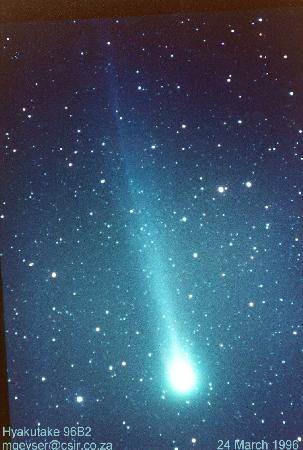
Comets are leftovers from when the universe was first created. They are simply ice-balls that have been pushed into orbit for some reason. Short-term comets may take less than 200 years to orbit the Sun, while long-term comets may take up to 30 million years to complete one trip around the sun. |
|
|
|
|
|
|
 |
|
|
|
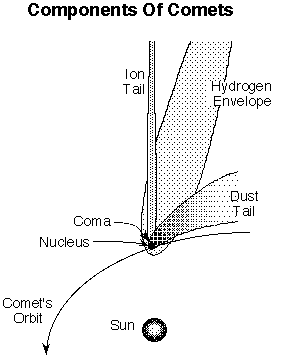
The picture to the left explains the three streaks of light that are evident when a comet is in orbit. The ion tail, hydrogen envelope, and dust tail are the three components which make a comet so bright while it is travelling through space. |
|
|
|
|
|
 |
|
|
|
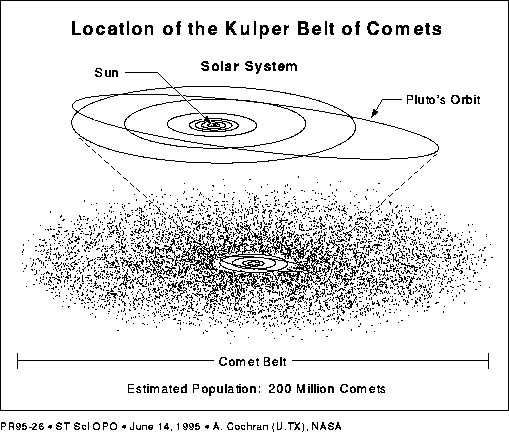
This diagram shows the massive amount of comets that are present in our solar system. |
|
|
|
on to meteors |
|
|
|
|
|
back to asteroids |
|
|
|