About Me
Projects
Pier Project
Lighthouse Concept
Norhtgate
Suburban Homes
Portcullis House Public Facilities
The Futurists Club
Think-Tank
Theory
Contact
There have been discussions, some of which I have been involved in, about whether new architecture - regardless of 'style' but typically unmistakably late 20th C.-early 21st C. - fits is too much out of place in older surroundings, or whether it enhances the appeal for the old, and likewise, whether the old architecture around makes us gaze in wonder at the new and unseen. This has exceptions and meaning to all of us in slightly different ways but one thing is for certain and this is that even here in the post-space-age, it never hurts to be a little pragmatic and understated as many architects know.
I was invited to submit a proposal for a public convenience facility to be situated near a major archtiectural work in London. I chose Portcullis House/Westminster Underground station by Hopkins Architects as it provides an interesting platform for this argument as well as a challenging site to work on. First, annoyingly to Corbusier, came a question of 'Style' - do I throw away the rulebook and down the lines of Libeskind / Hadid / Future Systems? or should I maybe adopt the practice of Hopkins and try something a little more understated, fitting and subtle?
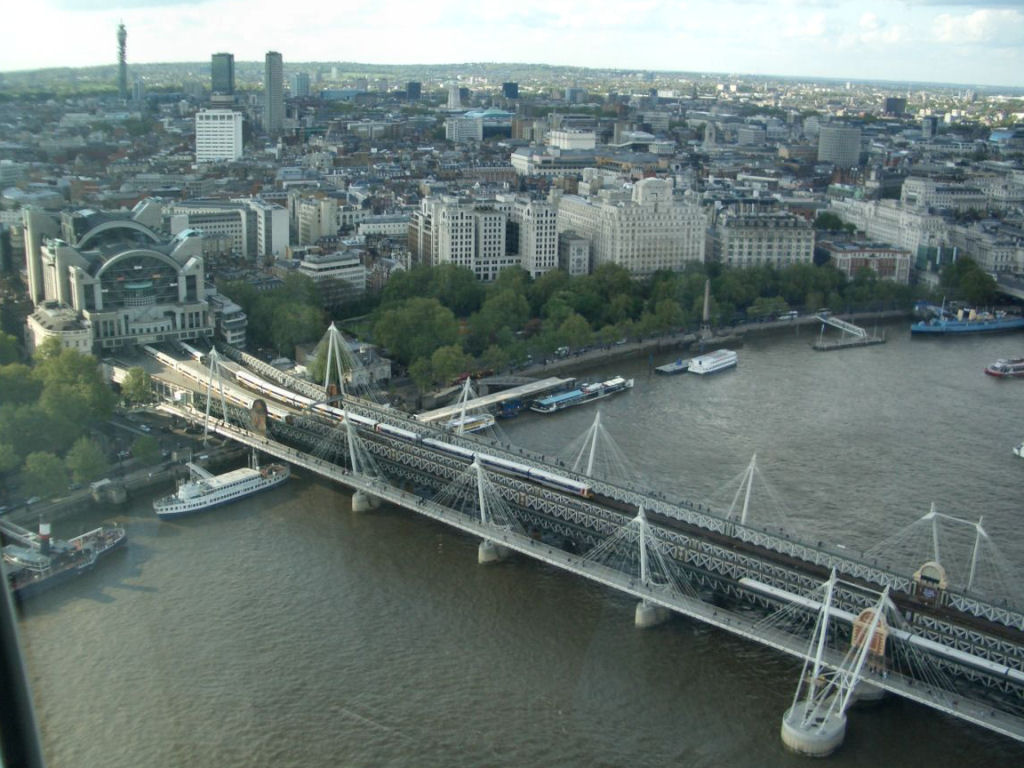
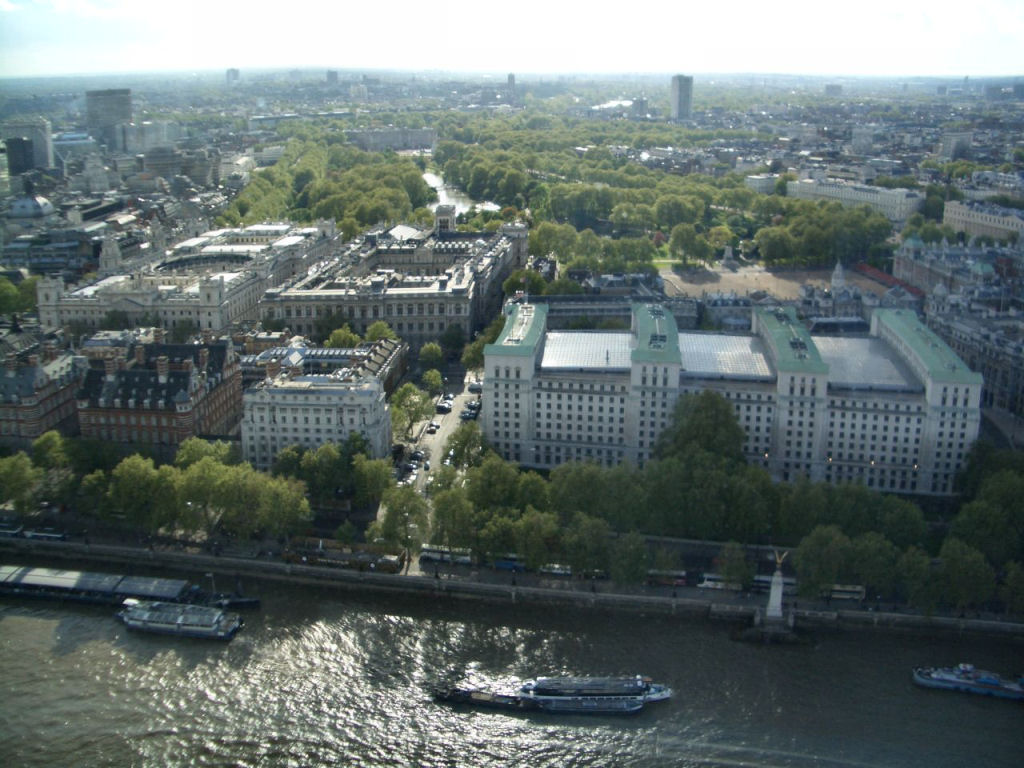
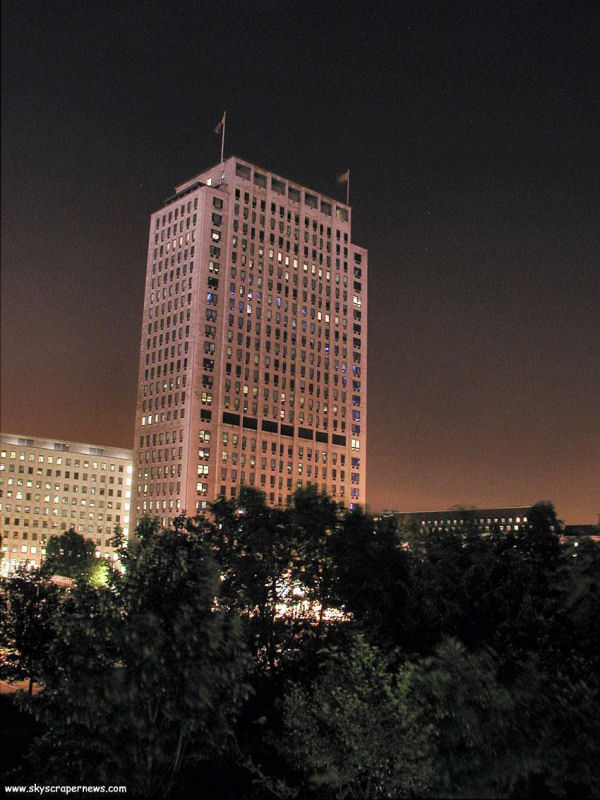
Looking around the area, you notice the government & office buildings the line the Thames between Westminster & Waterloo Bridges, straight-edged, art deco-esque buidings, most notably the Shell Centre on the South Bank (seen above-left at night). they are not the most awe-inspiring edifices you will find in the capital, but pleasant and fitting for what many percieve as a city with a rich history and a nation which is smart, precise and has a stiff upper-lip.
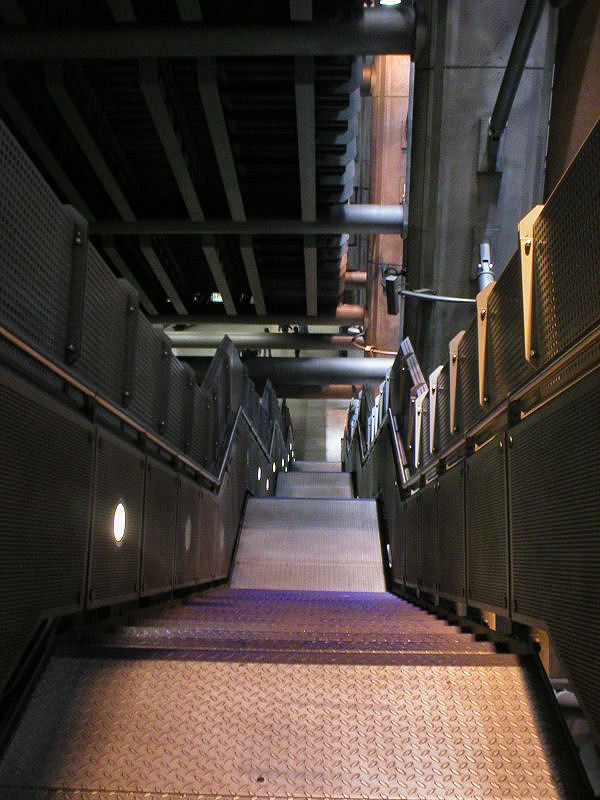
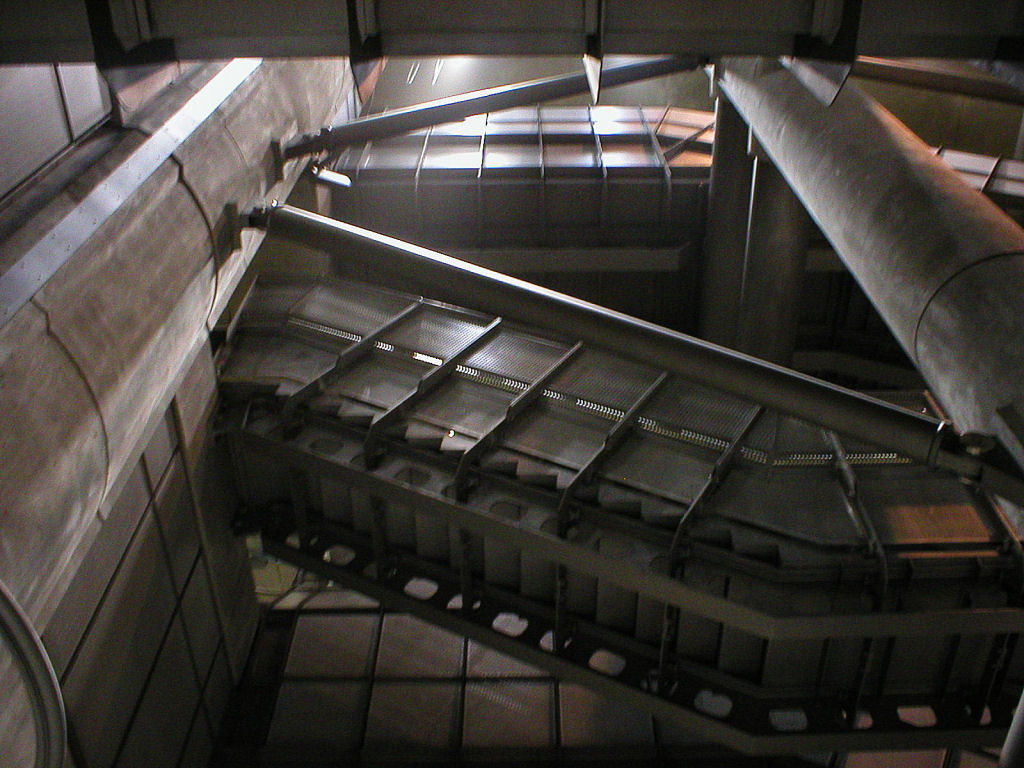
Protcullis House was designed to house Parliamentary offices and residences, yet has some cutting-edge technology and design features that make it more environmentally friendly than most. Westminster Underground station sits directly beneath it and its interior architecture is derived from having the weight of Portcullis House sitting literally on top of it. It seems like an industrial cavern, the secret lair of Doctor's No or Evil. You expect the escalators to break away from their fixing points in order to revolve and take you off to another level or mechanically join up with another. You expect the man at the ticket barrier to be dressed like Juge Dredd.
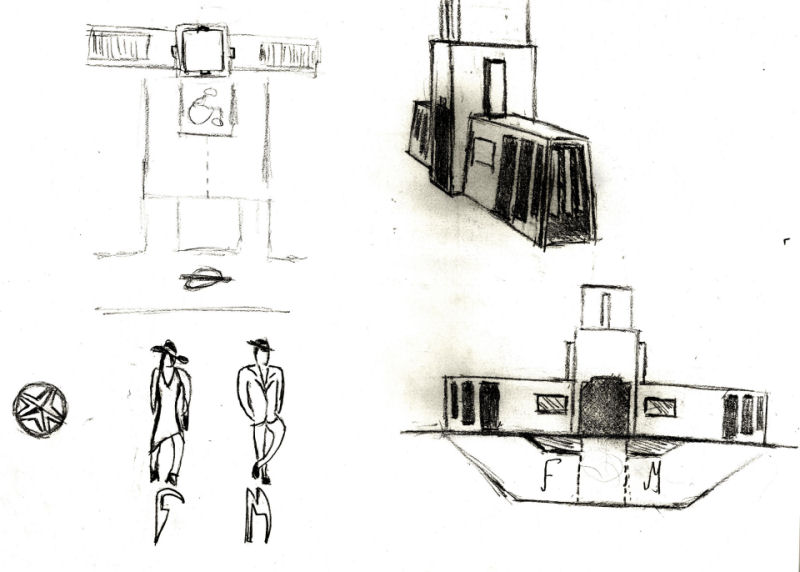
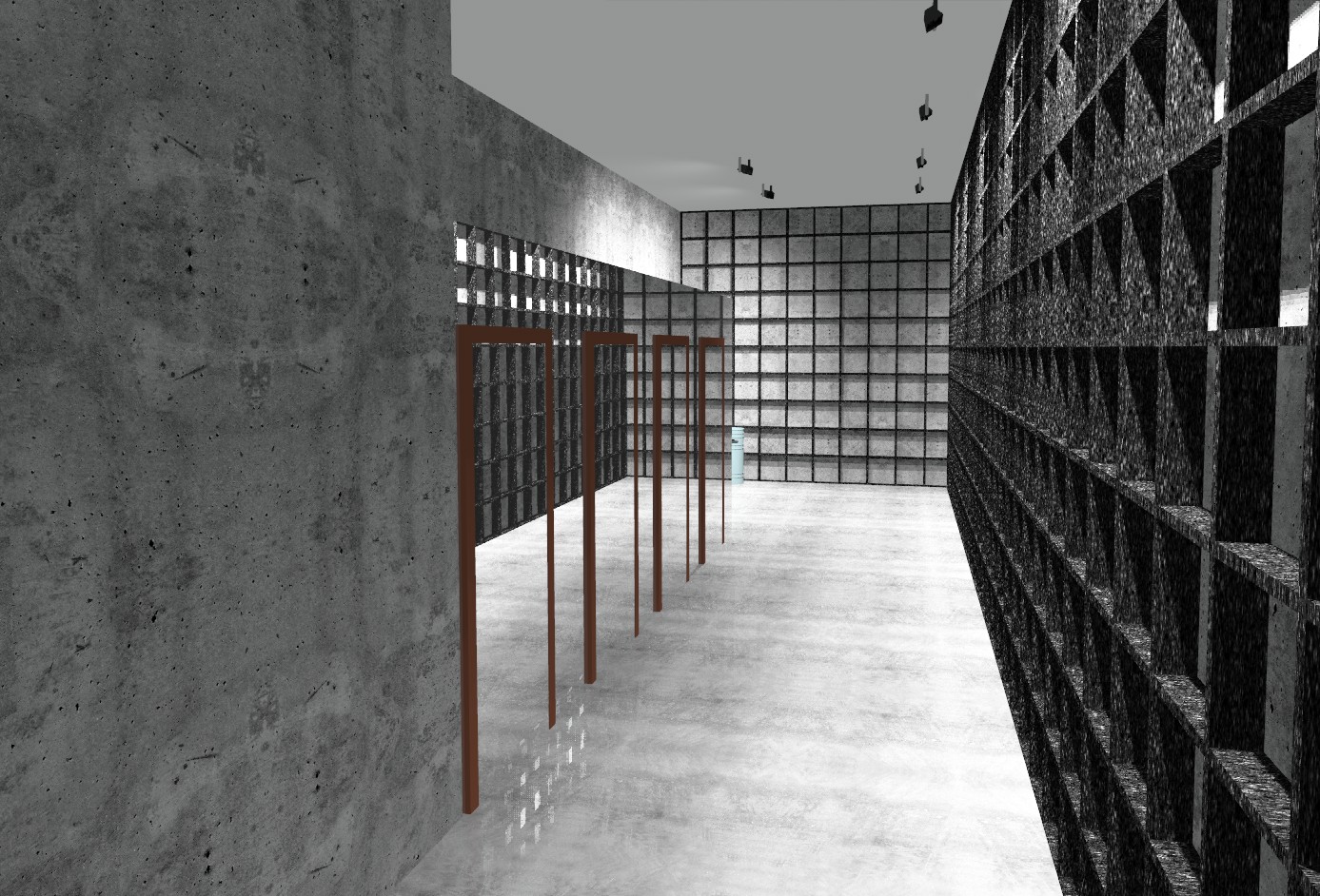
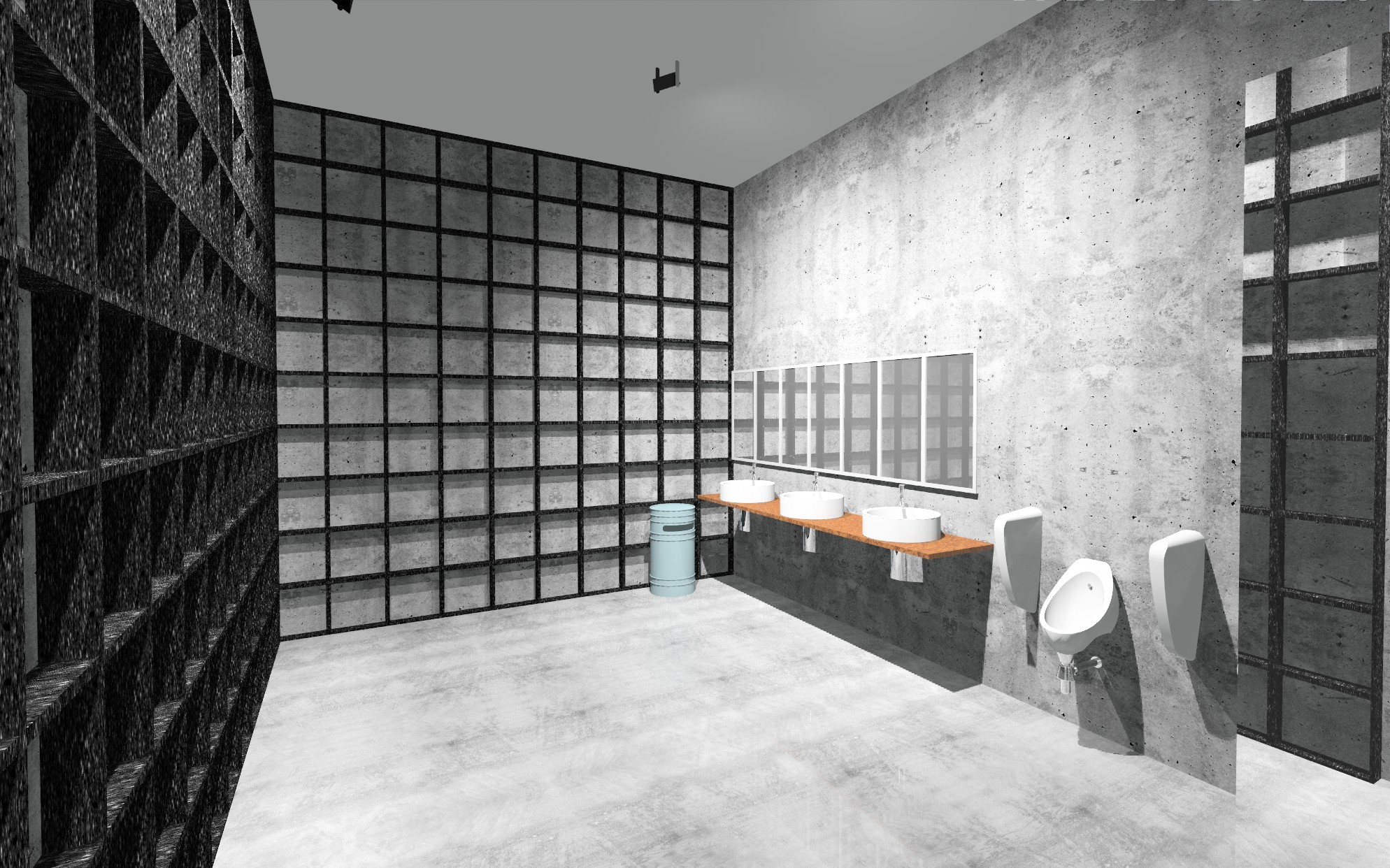
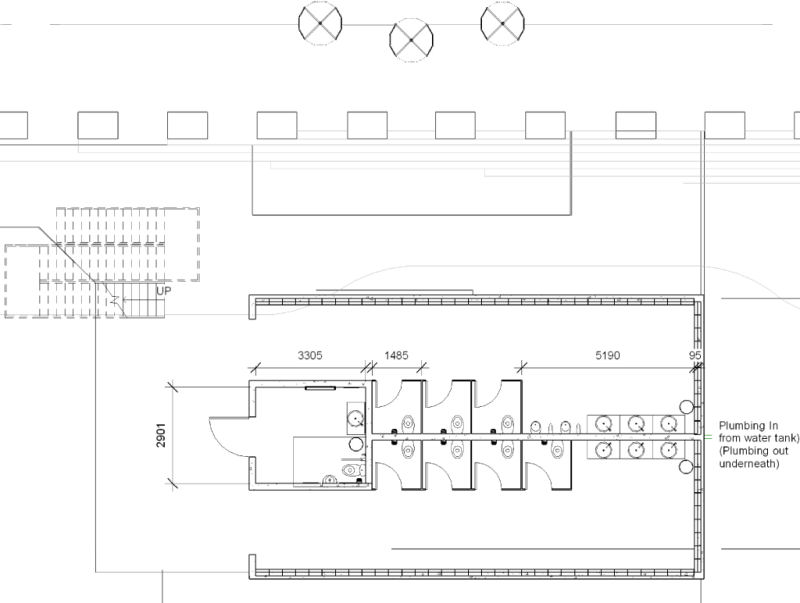
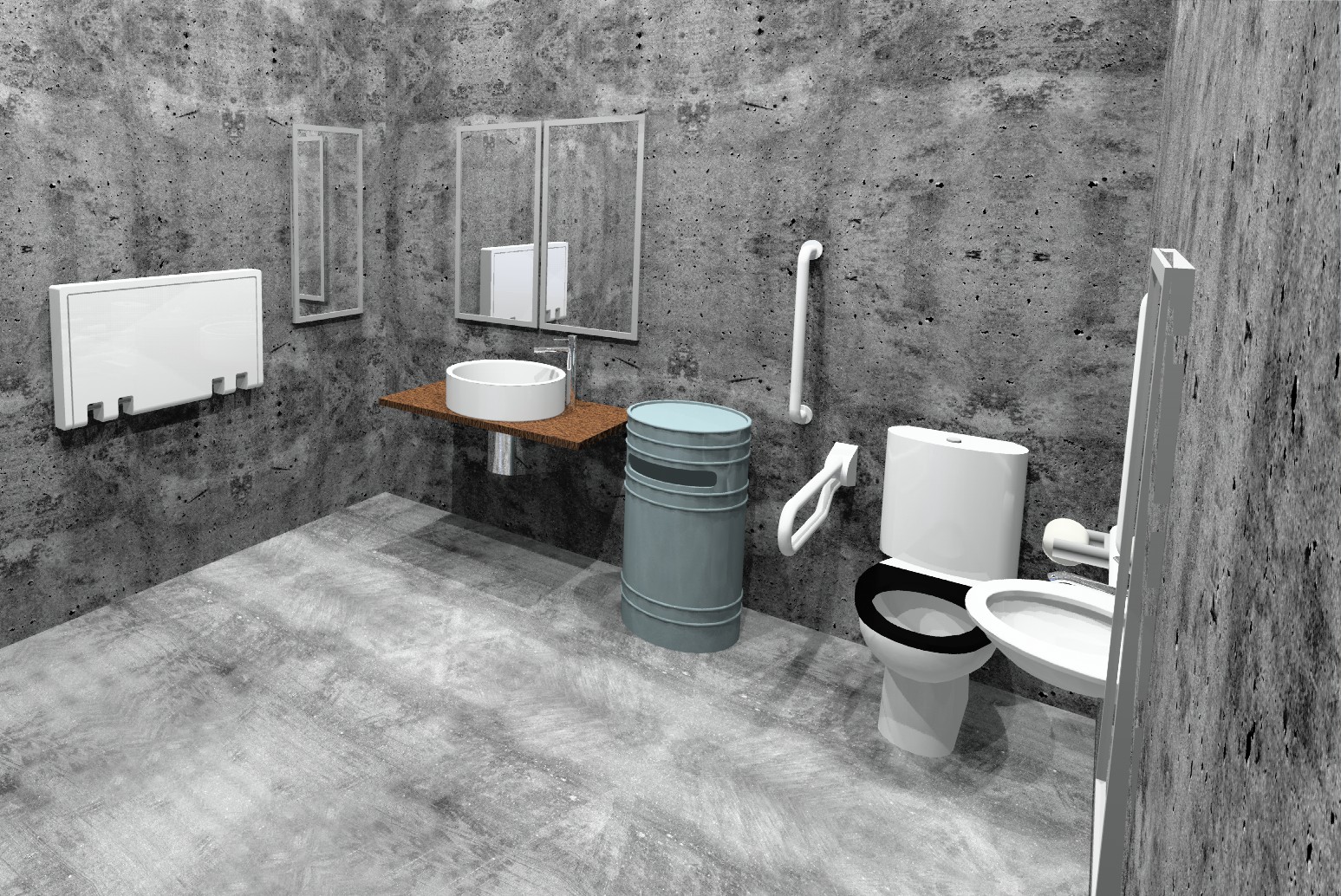
So it seems the vernacular does have quite something to offer in this instance. So I took the mechanical, industrial cavern quality and turned it into the public facility's interior using smooth bare concrete extensively coupled with a rough steel enclosure made of a 400mm sqaure, 50mm thick steel boxes welded together. This gives the spaces a similar feel to that of the station but not quite as dark and allows clear lines of sight. The combined disabled and baby space is equally generous with space as the male and female areas but does away with the caged look so to be more sensitive to a child or baby's surroundings.
The water is a combination of filtered rainwater for the flushing systems and traditional mains for wash water. Rainwater is collected as runoff from the Victoria Embankment above and passed through a filter before being passed into a storage tank. It is then piped through the wall between the male/female spaces for use. Mains water is sent along spearate pipes through the same in-wall space and does not pass through the storage tank. The walls on the inside of the spaces are made of concrete panels which are removable in case of leakages.
Atop the entrance at ground level sits a small weather station and air monitor. Air quality in central London often rises above the recommended limit for a number of reasons but this information is only passed on to the public through weather forecasts on the TV and radio after they've been breathing in the dangerous levels of pollution that can occur. The LED display provides passers-by with a direct and totally up-to-the-minute display regarding the quality of the air they are breathing in. People need this information and it would be useful for those who already have breathing difficulties of some kind, such as asthmatics. The Government needs to know this information so it can act, and so it can see if its policies are taking shape so if they aren't, it can act.
A dispenser will sell breathing masks (the light kind that are widely used by cyclists) to help people feel more comfortable and protect their lungs.
This project will be updated soon as some detailing needs to be modified and added.
Click on an image to enlarge it.