
Evidence has survived from just three broads about the methods used to extract peat, Ormesby (one of the deepest), Barton (fairly shallow), and Hoveton Great Broad (average). The only explanation entirely consistent with all the available evidence, including this great variation in depth is this: the purpose of dredging was to recover the reserves of peat contained in the walls left surrounding the small pits. These reserves would otherwise have gone to waste, because they couldn't be dug up in the normal way.
They always used dredging, not instead of but as well as digging, for the same reason as they dug as deep as they possibly could - to extract as much peat as possible from a given area.
15th century records from Barton Broad provide a pretty clear idea of how they went about it. Working in these separate, flooded pits ("several pondwater"), they first hacked up ("with laggying") the tops of the walls of peat above the water; they then dredged up ("with a dyday") all the remains that they could reach. In the deeper sites, like Ormesby Broad, it would have been impossible to dredge down as far as the bottom of the diggings.

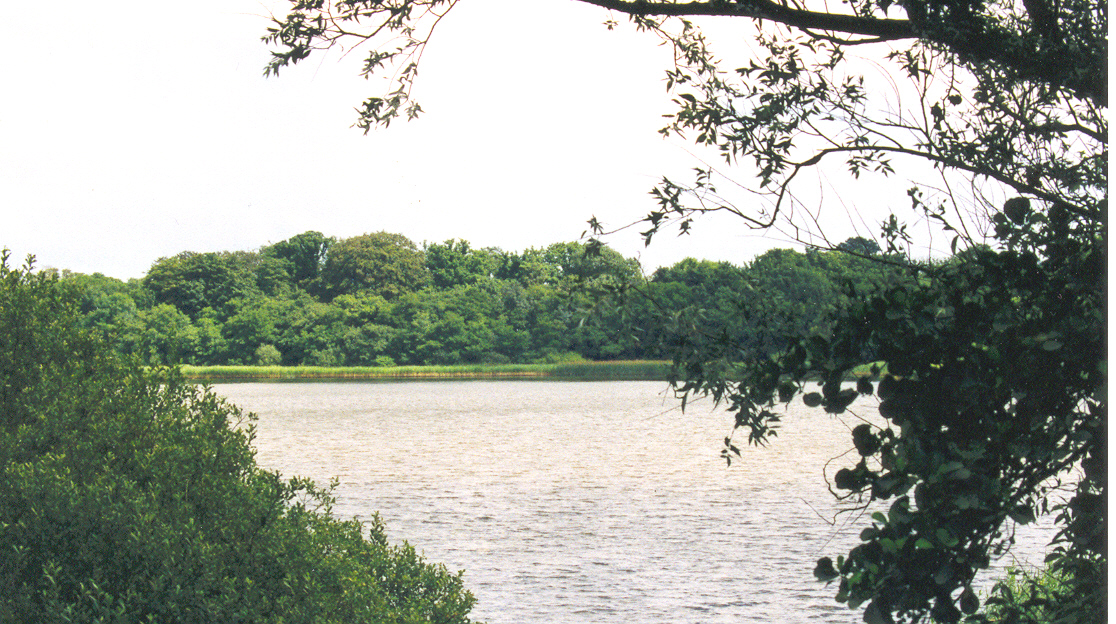
Most of the walls surrounding them were removed to recover the reserves of valuable peat which they contained. Eventually only those walls which served as essential boundary markers were left intact.
There was also another reason for removing some of these walls. The records from Ormesby Broad and Hoveton Great Broad show that boats were used to ferry not just the dredged peat but turves as well. Turves which had been dug up from the separate, small, dry pits were ferried to the edge of a turbary across derelict diggings which were flooded. To ferry anything there had to be an uninterrupted channel. (Conventional wisdom has always maintained that wheelbarrows were used for the on-site transport of turves. There is no evidence for this.)