| Noise Pollution |
| < -------------------------------------------------------------------------------------------------------------------> |
 |
| Noise Pollution Welcome to my website. The following will provide you with information on noise pollution. Hope you find what you were looking for! What is noise pollution? Noise pollution is any audible yet disagreeable sound. Noise pollution can come from anything, anytime, anyplace. Noise pollution does not have to be loud to hurt. Noise can be anything from the soft rustle of leaves to the loud honking of horns. Noise can be heard by anything with audible abilities. Noise can be a good thing generally used for communication, but noise can also be harmful. Another good thing is that noise is brief, once the subject or individual stops, the environment is free of it. However this is not the case for chemicals, sewage, and other pollutants. To some people the roar of an engine is satisfying; to others it is an annoyance. Loud music may be enjoyable or agony, depending on the listener and the circumstances. How does noise hurt? Continued exposure to noise damages your hearing, which is not curable though preventable. The louder the noise, the less time it takes to lose your hearing. Cells of in your ear are destroyed, and hearing worsens each time we are exposed to ongoing and intense sound. Noise-induced hearing loss is permanent and incurable. Noise does not have to be loud to hurt. A dripping tap, barking dog or even a rustle in the trees can trigger your bodies� reflexes. Here is what happens to your body when you hear noise: heart rate increases, blood pressure rises, the mouth dries, skin loses colour, muscles contract, and blood cholesterol rises. A rule of thumb: If you have to raise your voice while speaking to someone three feet away from you, then your immediate environment could be hazardous to your health. How loud is too loud and how do we measure it? The loudness of a sound is only one part of the effect it has on humans. Other factors that we have to consider are the time and place, the length, the cause of the sound, and if the listener has any control over it. Most people would not be bothered by the sound of a 21-gun salute on a special occasion. On the other hand, the continuous beat of your neighbour's music at 2 a.m., even if barely audible, could be a major source of stress. Below is a survey of common city sounds and how loud they are. Common City Sounds Quiet home 20 Decibels Normal talking 40 Decibels Ringing telephone 60 Decibels Air conditioner 75 Decibels *Sustained exposure to noise over 85 decibels can cause permanent hearing loss. Subway train 100 Decibels Loud music 120 Decibels Jet take-off 140 Decibels What are Decibels/dBA? The decibel scale is how we measure noise. The decibel scale is *logarithmic; each 10-decibel increase represents a tenfold increase in noise intensity. Anywhere over 85 decibels can cause permanent hearing loss. The U.S. Environmental Protection Agency has established 70 dBA as a safe average for a 24-hour day. The ear can take in most amounts of noise but you ideally wouldn�t want to prolong your ear to an environment of higher than 70 decibels. If you do you can start doing damage to your ears. * Logarithmic �The exponent that indicates the power to which a number is raised to produce a given number.� By Merriam Webster�s online dictionary. Does noise affect children? Noise affects everyone. Child, adult, pensioner and teens. The loud music that children listen to on the radio, on stereos and earphones damages their hearing. Studies show that noise interferes with learning and lowers reading and math scores. Children will be disadvantaged of these skills and will be partially deaf by the time they are grown unless people quiet down now. When and where does noise hurt? Noise hurts anywhere and anytime a subject or individual creates it. As soon as someone starts an engine or shouts at someone or something else the damage is done and it is irreversible. Once damage is done to the extent that a subject is permanently disabled it can be aided and be half fixed although it is not a good idea to think that you can do anything it won�t matter because it can be fixed because it can�t be fixed to exactly how it was and it will never be the same. What�s the solution? The only way to stop noise pollution is for people to be more considerate. Turn the phone down, try not to shout, use your air conditioner as less as possible and turn your music up to an acceptable level. Scientists and inventors will invent quiet and better technology in the future but for now all we can do is work together and be considerate. For more information about pollution, visit the sites located in my links. Home by all four of us Water Pollution by Robin Yu Air Pollution by Nelson Wang Ground Pollution by Patrick Lee I would like to thank the following websites for providing me with pictures and information: http://www.cenyc.org/HTMLPE/noise.htm http://www.quiet.org/faq.htm www.medg.lcs.mit.edu/people/chris/taiwan-traffic.jpg www.lazur.punkt.pl/96/noise.gif |
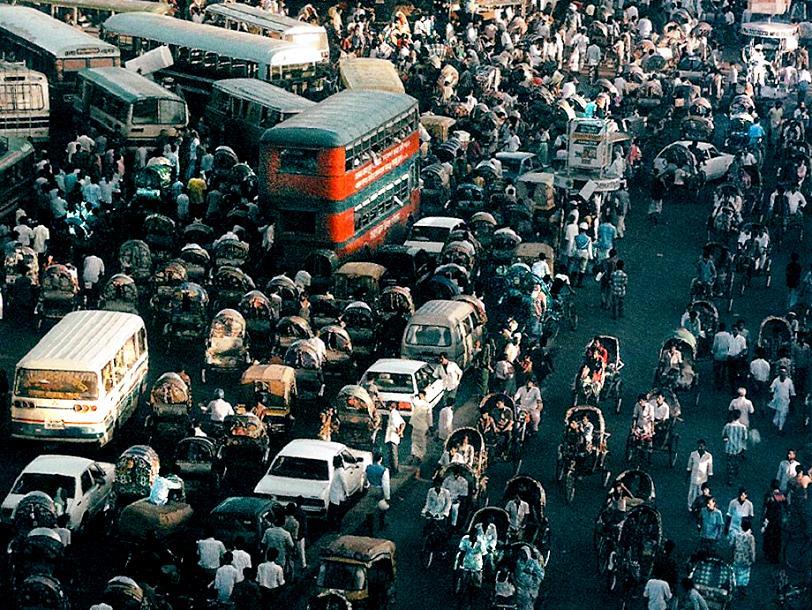 |
| beep!beeeeeeep! |
| Other Links: |
| <-----------------------------------------Copyright Dylan Holloway 2004-------------------------------------> |
| You are page viewer |

|