



A curriculum defines what children learn, how learning takes place, and in what setting it occurs. It is a framework for making decisions about how to plan and implement a program that meets the needs of a group of children and the individual needs of a child.
Here at DWCC we utilize the Creative Curriculm. This curriculum consists of weekly themes designed to create a stimulating learning enviroment.
Themes include related activities such as:
Arts & Crafts
Group Games
Computer Fun
Outdoor Fun
Special Cooking Activities
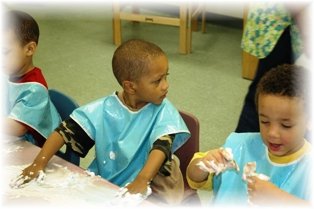
Hands on Learning Activities
Fieldtrips.
We also provide assistance with academics during the school year and some reinformcement of fundamentals. Our program will provide an enviroment that is safe, stimulating, sociable, nurturing and lots of fun.


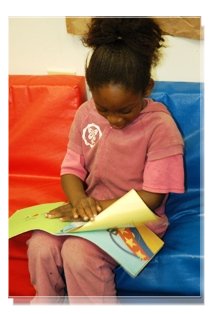








Children learn best when thier physical needs are met and they feel safe and secure. They construct their own knowledge and develop their own understanding of the world around them. Children have different ways of thinking at each stage of development and their thinking changes over time. Content that is taught should have meaning for children; this will motivate them to learn.
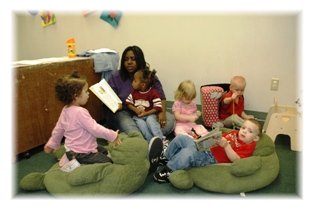
Children learn through interactions with adults and other children; social development should not be seperated from congnitive development. They also learn through functional play, constructive play, games with rules and socio-dramatic play.

Learning takes place in a cycle and includes four stages:
1. Awareness - to learn anyhing new, children have to be aware of its existence.
2. Exploration - to know and understand something, children have to explore it through direct experience and make it personally meaningful.
3. Inquiry - children compare their own ideas to what is expected by society.
4. Utilization - children are able to use what they have learned and apply it to new situations.
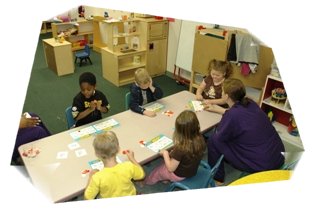
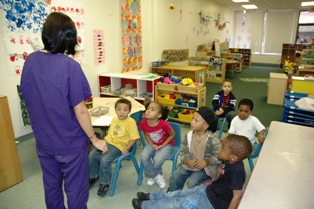
Each classroom has specific goals and objectives. This includes the skills, attitudes and understandings we want children to aquire through the curriculum. The physical enviroment also plays an important role in learning. Specific importance is placed on room arrangement and how to select and display the materials to support the development of trust, independence and initiative. The teachers role in learning should promote the children's social competence and learning. And finally, the parents play an important role in the learning process. Good communication supports each child's growth and development.