|
about South Africa *************** |
Flora > HOME >TRAIL |
| GAME |
|
ART & CULTURE |
|
| OUR
ACTIVITIES
Hiking, Caving, Mountain Biking, Horse Riding, Camping |
OUR GUIDES |
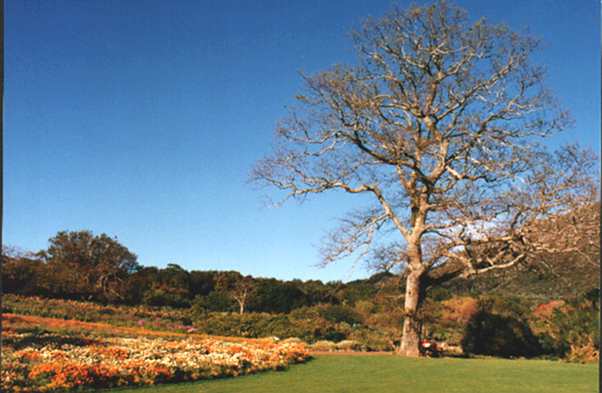
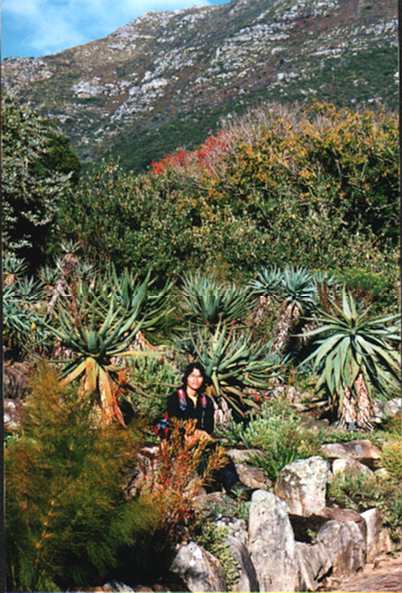
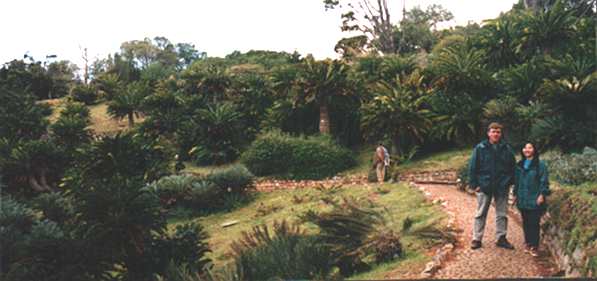
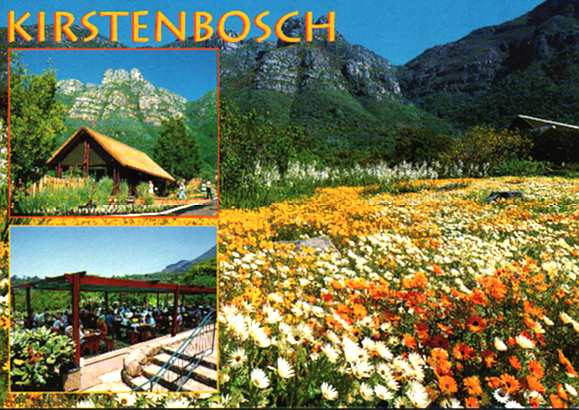
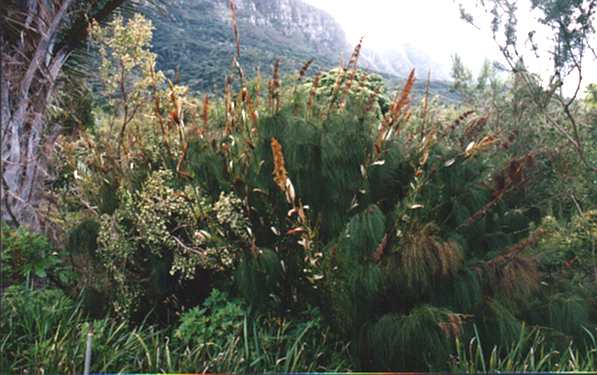
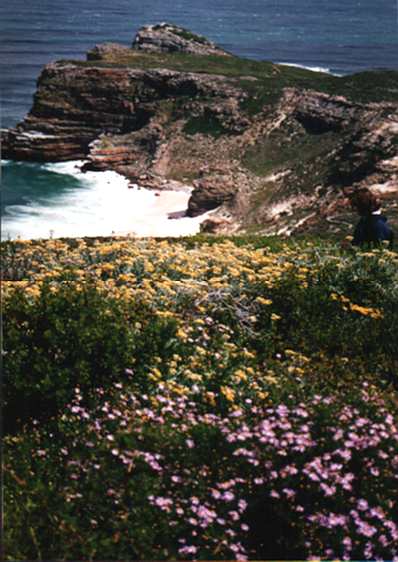
The flora of South Africa is the richest and most beautiful in the world. There are 24,000 plant species - nearly 10% of all flowering plants on earth - are found on 1% of its land area. Thee most famous of which is its Cape Floral Kingdom or fynbos in the region of Western Cape covering about 70,000 km2. Out of the 8,600 kinds of flowering plants in Cape Peninsula, 2,600 are indigenous. Renowned are the proteas and heathers, famous orchid known as red disa or the "Pride of Table Mountain". The best time to see them is between April and October when rain is abundant.
|
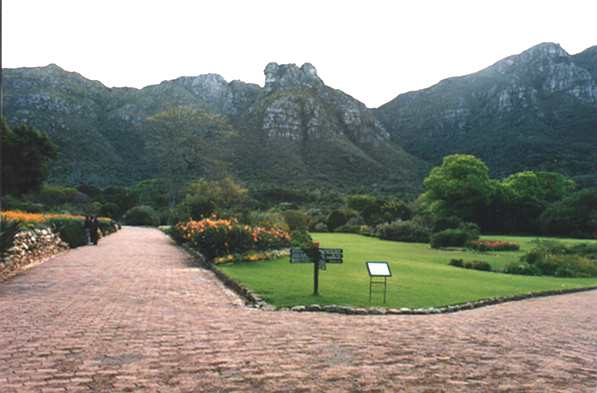
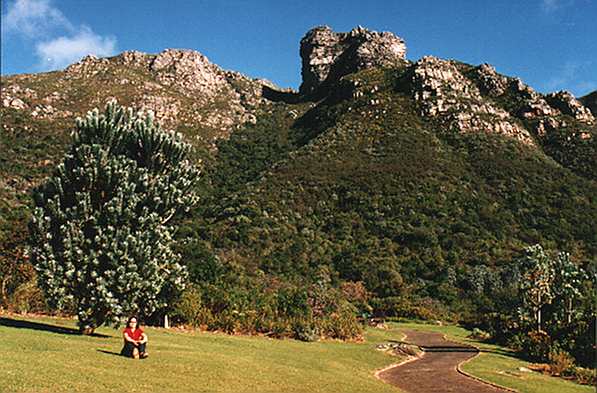
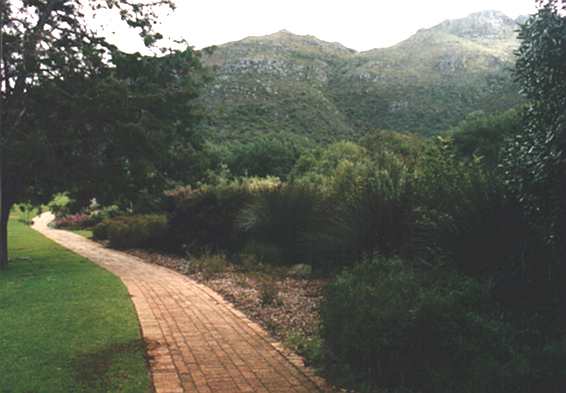
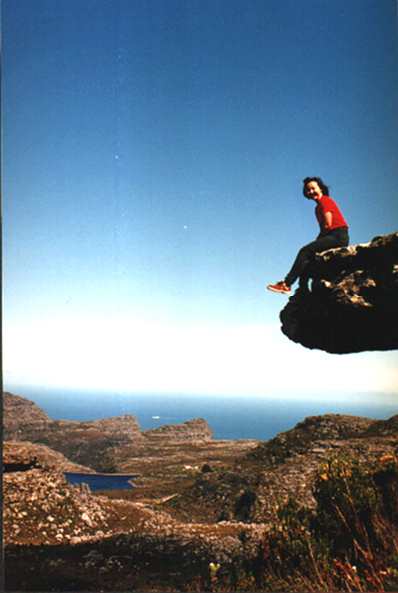
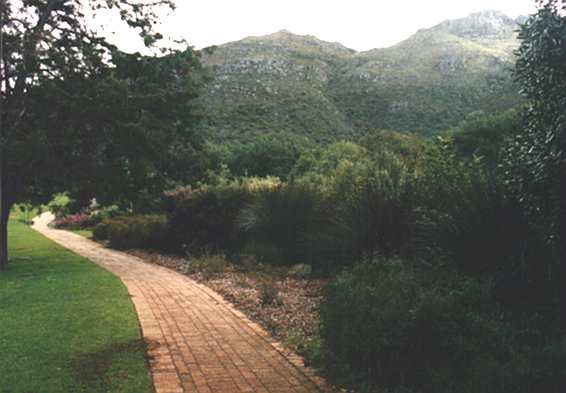
Hiking trails leading to Table mountain are accessible from the garden. An adventurous trail was up the Skeleton gorge, via the Smut tract across the Table, reaching the highest peak of Table Mountain - Maclear's Beacon. The fynbos was the most breathtaking.
|
|||||||||||
|
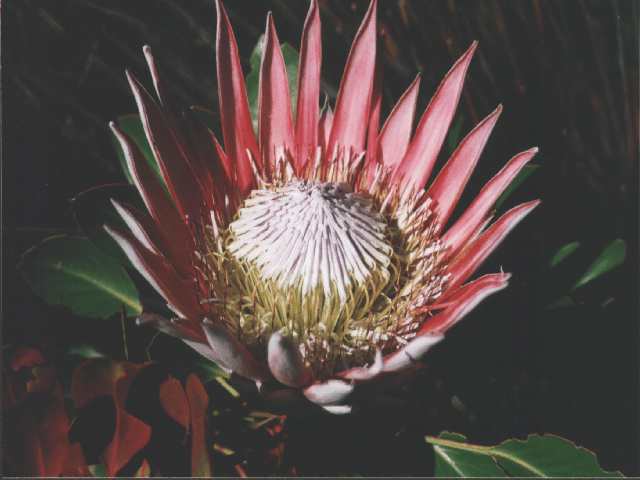
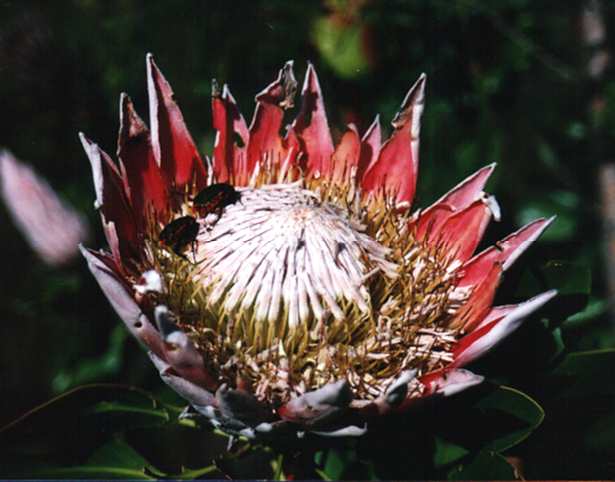
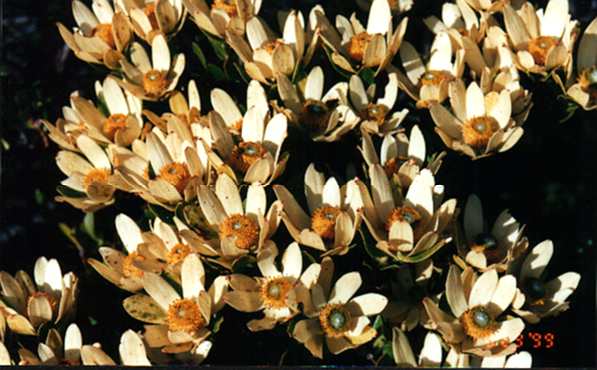
Protea - The fynbos is synonymous wiith the protea family (Proteaceae) which is the most prominent flowering families in Southern Atmosphere. It is a national emblem of South Africa - Protea cynaroides. It is named after the legendary god Proteus, who was could see into future and spoke the truth and able to take many forms (which is true of the family). 14 genus or 330 species out of the 1400 species in the world are confined in Cape Floral Kingdom, in nutrients poor soils derived from Table Mountain Sandstone. Some of the largest genus are Protea (Sugarbush), Leucodendron (Conebush) and Leucospermum (Pincushion). Fatal
Attraction -
In love
with the Flowers of Flame,
|
The
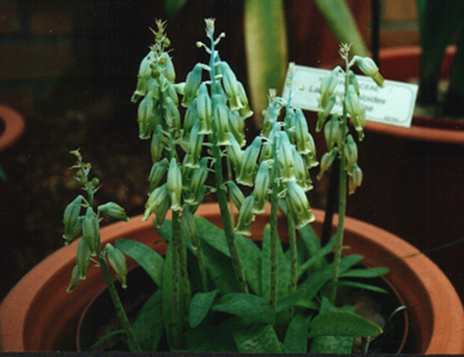
main plant communities are the tall protea shrubs with large leaves (proteoids);
heath-like shrubs (ericoides)); wiry, reed-like plants (restioids), and
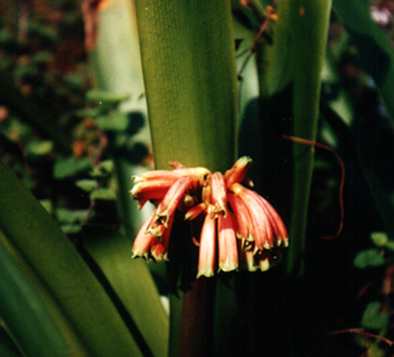
bulbous herbs (geophytes).
|
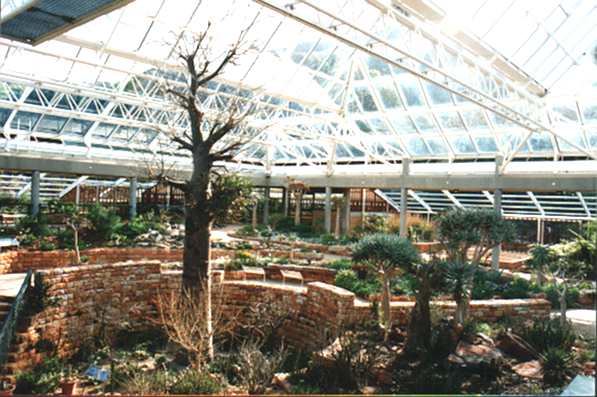
v The savannah - Kalahari basin; rain fall in summer; largest floral of the subcontinent; mixture of grassland (and scattered trees (thorny acacia, bizarre baobab, marula, fever-tree, dark green mopani) and drought-resistant undergrowth, the classic bushveld of Kruger National Park.
v The grassland - Lesotho, western Swaziland, Free State and Northern Province; rainfall in summer; one tenth of the 10,000 grasses are indigenous; grasses in the west are generally "sweet" or "white"; grasses in the eastern, moister region are "sour" or "purple".
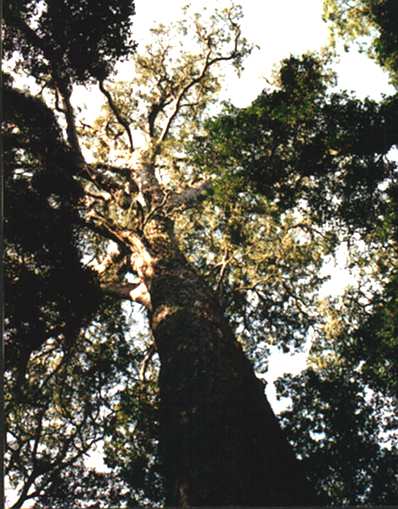
v The forests - rare; relics are found in the southern Cape as woodlands, coast and mountain ranges on the periphery (coniferous species - Podocarpus or Yellowwood, olive family, Ocotea bullata or stinkwood in Drakensberg, swamp in KwaZulu-Natal).
v The desert - Namib (true desert) along coast of Namibia, entirely without rainfall, scare vegetation. The most famous plant is welwitschia which resembles a giant carrot and quiver tree (Aloe dichotoma).
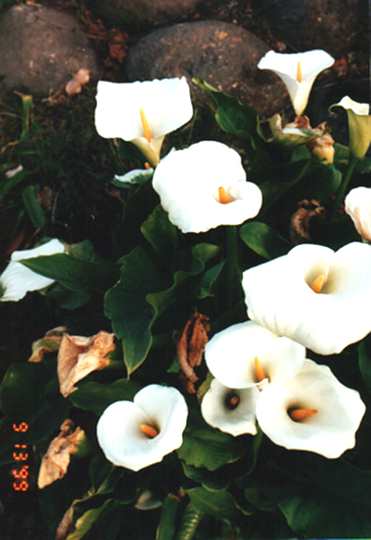
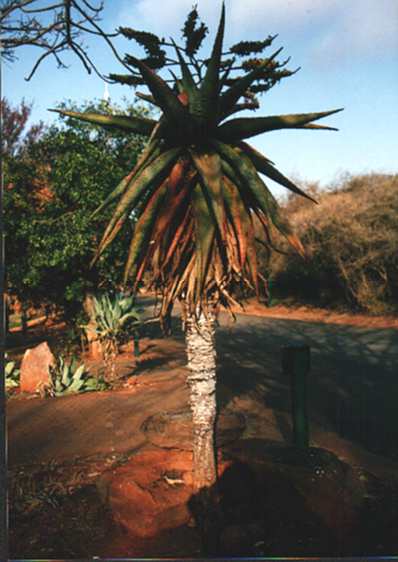
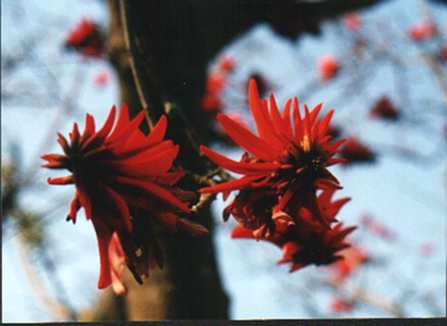
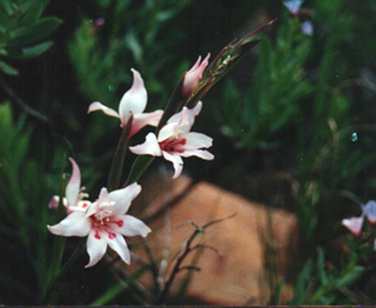
The Spectacular plants along our trails!
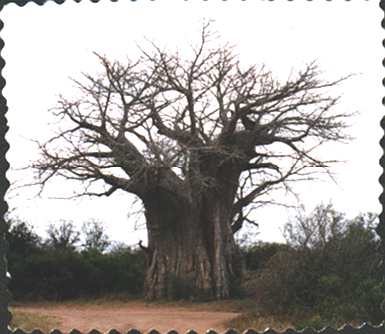
BaoBab (Adansonia digitat) in Kruger National Park |
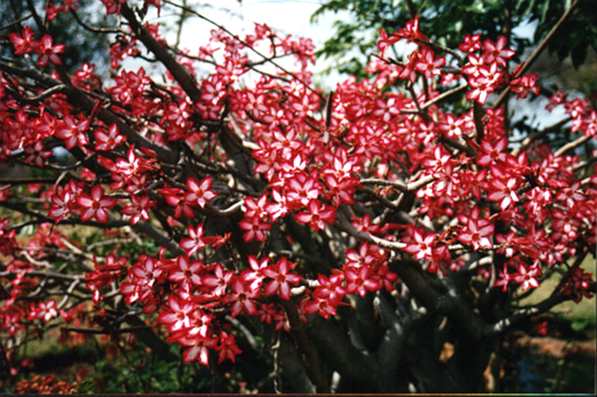
|
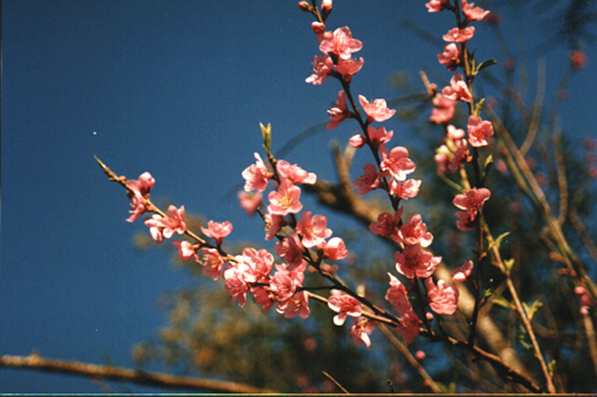
Cherry Blossum in Sani Pass |
|
|
|
|
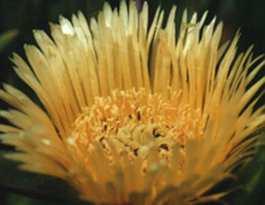
Cephalophyllum spp. in Tsitsikarmma |
|
|
