
Preparing for the Deployment
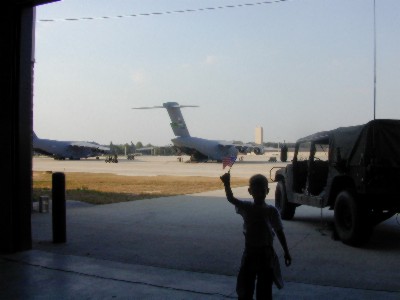
Right before a deployment is a busy time. It is likely that a soldier will be working extra hours to help prepare the company for a deployment, or to "train up" to get ready to go. You might feel like the month preceeding the deployment should be family time, but it is a busy time for the soldier at work. Knowing this ahead of time may help you to prepare.
Click here for an official army pre-deployment checklist.
To Do List:
1. Get a Power of Attorney (POA). This is vital. Make sure it extends to a month past the time your spouse is to return. You can use a general POA to get a copy of your husband's LES or to handle credit card issues. If you are handling something by phone on your husband's behalf while he is deployed, you may be asked to fax or mail a copy of your POA fist. You can usually get a POA at a "one-stop station" or from the post legal unit.
I advise that you get a few special POA's as well. If there is trouble with the deployed soldier's pay, you will not be able to resolve it from home without a special power of attorney for pay inquiries. To open a bank account with your spouse's name on it or to sign checks made out to the deployed soldier you will often need a special POA that gives this specific permission. Your deployed spouse will be able to handle pay inquires from the deployment area, but if he is away in the field it may be difficult to handle an urgent issue promptly without special POA's.
2. Get your paperwork in order. Make a list of addresses of all creditors, and put birth certificates and copies of orders together. Know the Chain of Concern contact information (how to get a hold of your soldier's unit and who you should contact first.) If there is a death in the family or emergency situation the Red Cross can contact your deployed soldier for you, so know their contact information as well.
3. Update contact information for your children's schools. If your spouse will be away, make sure it is noted on the emergency contact information. See more information about children and school here.
4. Leave emergency contact information with a friend. Write down the name of the people that they should contact in the event that something happens to YOU. Be sure to include the information for getting in touch with your husband's unit so that he can be reached. If you are pregnant during the deployment know who you will call to get to the hospital. Have a backup.
5. Considering going home to stay with family while your spouse is deployed? Take into account the effects of leaving a military community that may seperate you from military related support networks. Also consider the effects of removing your children from school and not being actively involved in the chain of contact if your spouses return plans are altered.
6. If you don't already, attend at least one Family Readiness Group meeting. Your spouse's unit is likely to have several in the months before the deployment. Even if you don't plan on being an active part of the FRG it is important to know that they have your name and phone number correct on the roster and can get a hold of you. Often, last minute calls are made to announce changes in the flight schedules of returning soldiers. Let the FRG organizer know if you do or don't want to be contacted in the event that activities are planned for spouses and families during the deployment.
7. Resolve issues with your spouse. If you are having troubles with your relationship, consider visiting the unit Chaplain (or your own religious leader or a therapist) before the deployment. Troubles are often aggrivated during the deployment, and if you have troubles with trust, money or other things ,they will be magnified during the seperation. It is very hard to resolve differences during a deployment. Voice to voice contact may be very limited.
8. Work on establishing your own support network. You are about to spend several months alone, and will go through a series of stages related to the loss of your spouse. It is normal to feel mad, bored, depressed or restless at some point during the deployment. It helps to have some friends to talk to, some activities to keep you busy, and some particular goals to meet while your spouse is away.
9. Make sure all repairs in the house are up to date. If you didn't do it on your own before, make sure you know how to do car maintenence, when it needs to be done, that the appliances are in good working order, that fix-it projects have been completed. There comes a time during deployment that it seems like everything breaks at once! I don't know anyone who hasn't experienced this. You'll survive it, just as many have before you. Have a list of people you can call if you do have problems with autos, pets or household.
