
Daniel R. Weir.�����������������������
____________________
_______________________________________________________________________
of acts, omissions, regrets and hopes which is the life of each one of us finds in death, not
meaning or explanation, but an end. Death defines life; a death depicts a life in immutable
forms; we do not change except to disappear. Our deaths illuminate our lives. If our deaths lack
meaning, our lives also lacked it."�
Octavio Paz
recognized, locally important, and created by individuals. They are an inscribing upon the
landscape, an external display, an upfront, observable account of our current human condition.
As artifacts of our material culture they signify meaning by producing a cultural text that is
meant to be read and interpreted.� It is us, you and I, talking to ourselves, to each other, to
others in general; whether they are listening or not. This communicative effort resists the idea�
that our lives, and therefore our deaths, lack meaning; it speaks out, poetically, that we love,�
laugh, struggle, hurt, cry, and contribute to the stream of life--even in death.
__________________________________________________�
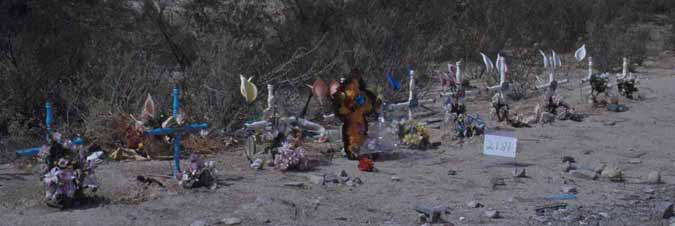
Mexico provides the interested observer fertile ground for seeing/reading/listening to roadside
death memorials. Here, these artifacts of material culture have developed over a five hundred
year period and are intimately connected with strongly held religious beliefs; beliefs which are
deeply rooted in a Medieval interpretation of how the world works, what life and death mean,
and the nature of reality. Roadside memorials in Mexico are a rich text to be read carefully and
cautiously, for their context is complex and profound; they are manifestations of the
spontaneous irruption of sacred places upon an otherwise secular landscape. Every cross or
shrine is a node where two radically different modes of reality intersect, each with a unique
geography.
__________________________________________________
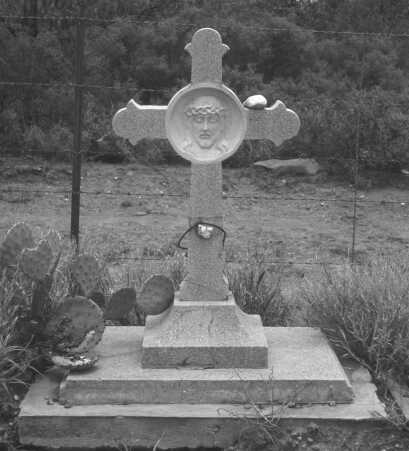
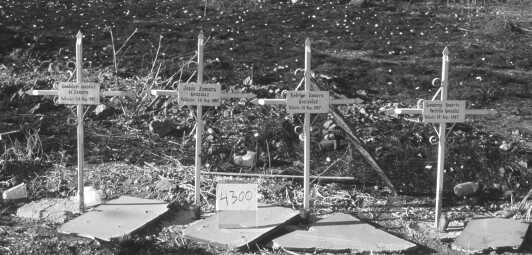
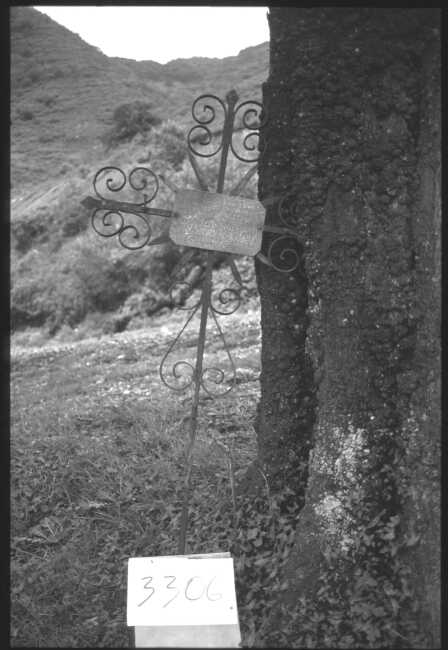
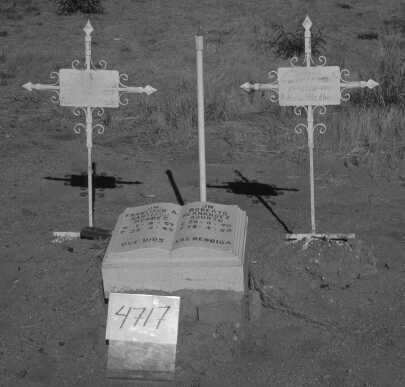
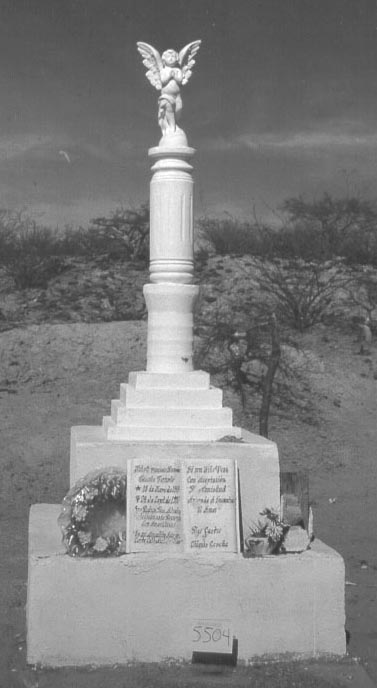
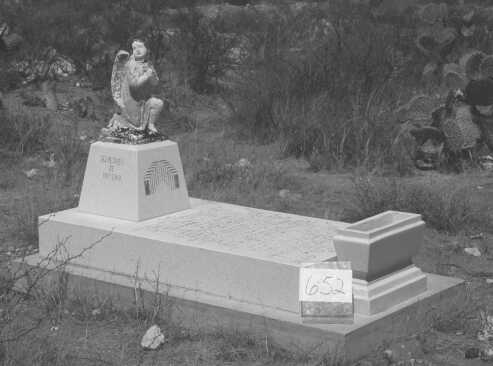
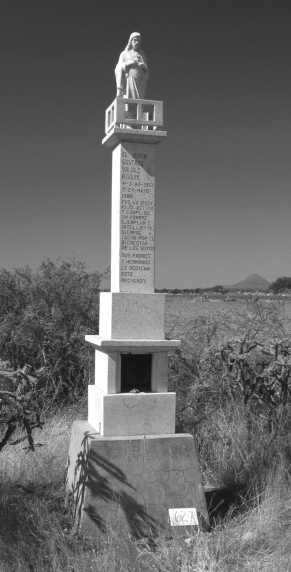
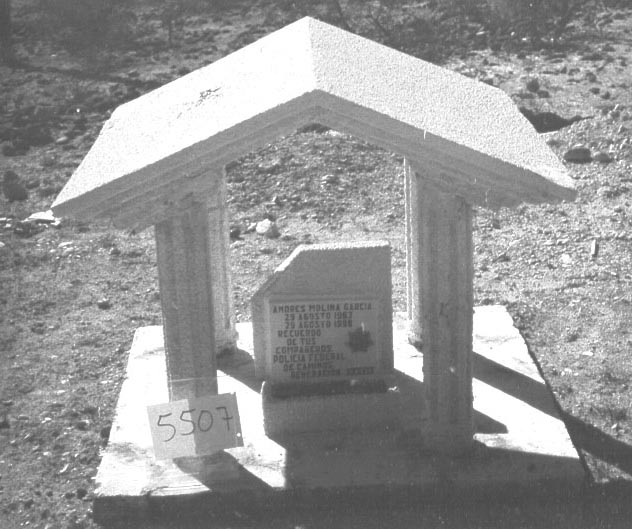
The memorials observed during field work are divided into two categories which reflect their form and functional capabilities:�
- crosses and monuments outwardly display, but cannot shelter or conceal;
- Nichos and shrines outwardly display and have the capacity to provide private space, they have an interior.
__________________________________________________________________________________________
(Next)