
Click here to continue your tour!
|
|
|
|
|
|
|
|
|
|
|
|
|
|
|
|
|
|
|
|
|
|
|
|
|
|
|
|
|
|
| Antietam | |||||||||||||||||||||||||||||
| For a closer look at each picture, simply click on it. Then click the "Back" button at the top left of your browser screen to return to this page. Enjoy! | |||||||||||||||||||||||||||||
|
|
||||||||||||||||||||||||||||
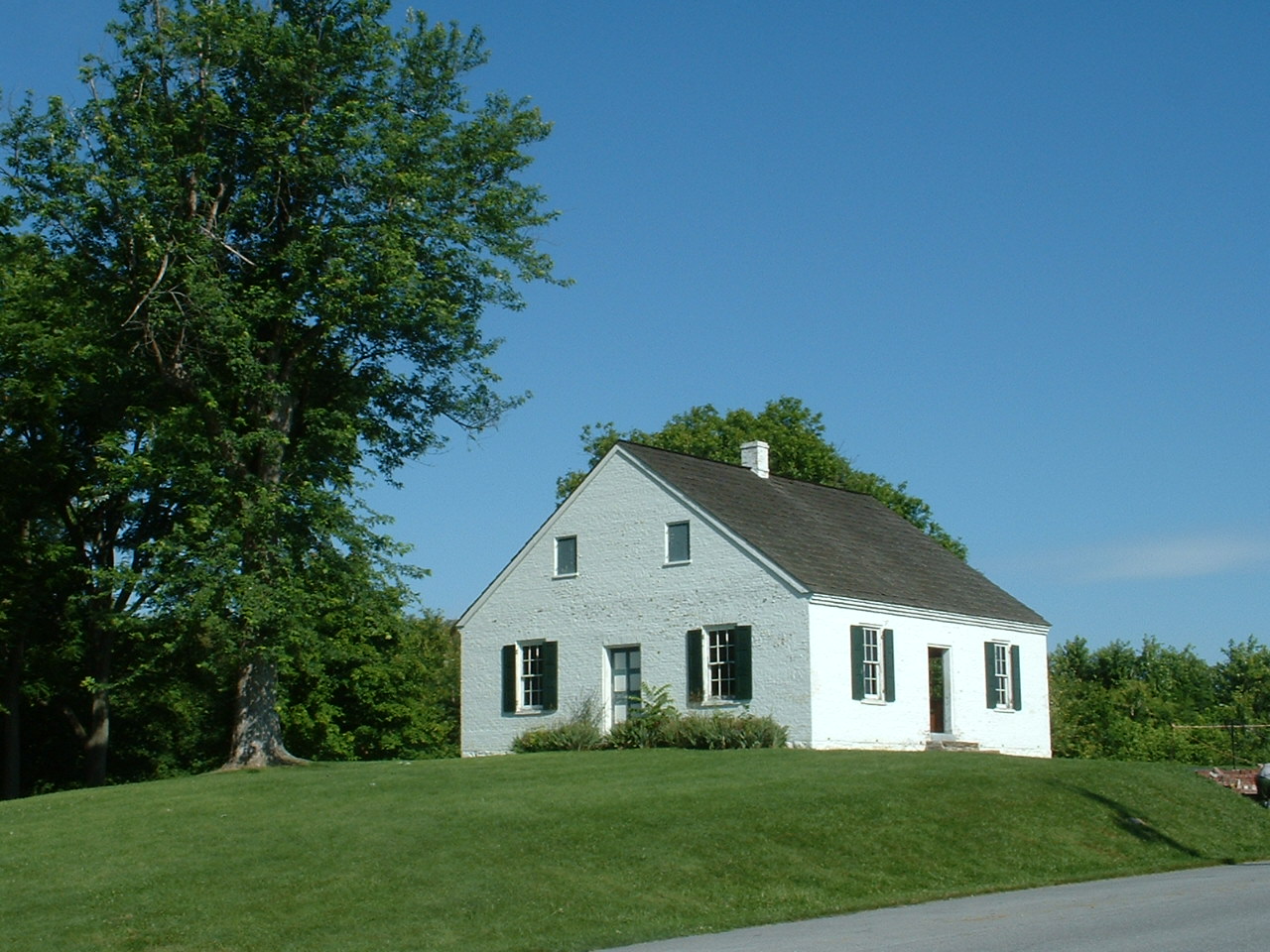
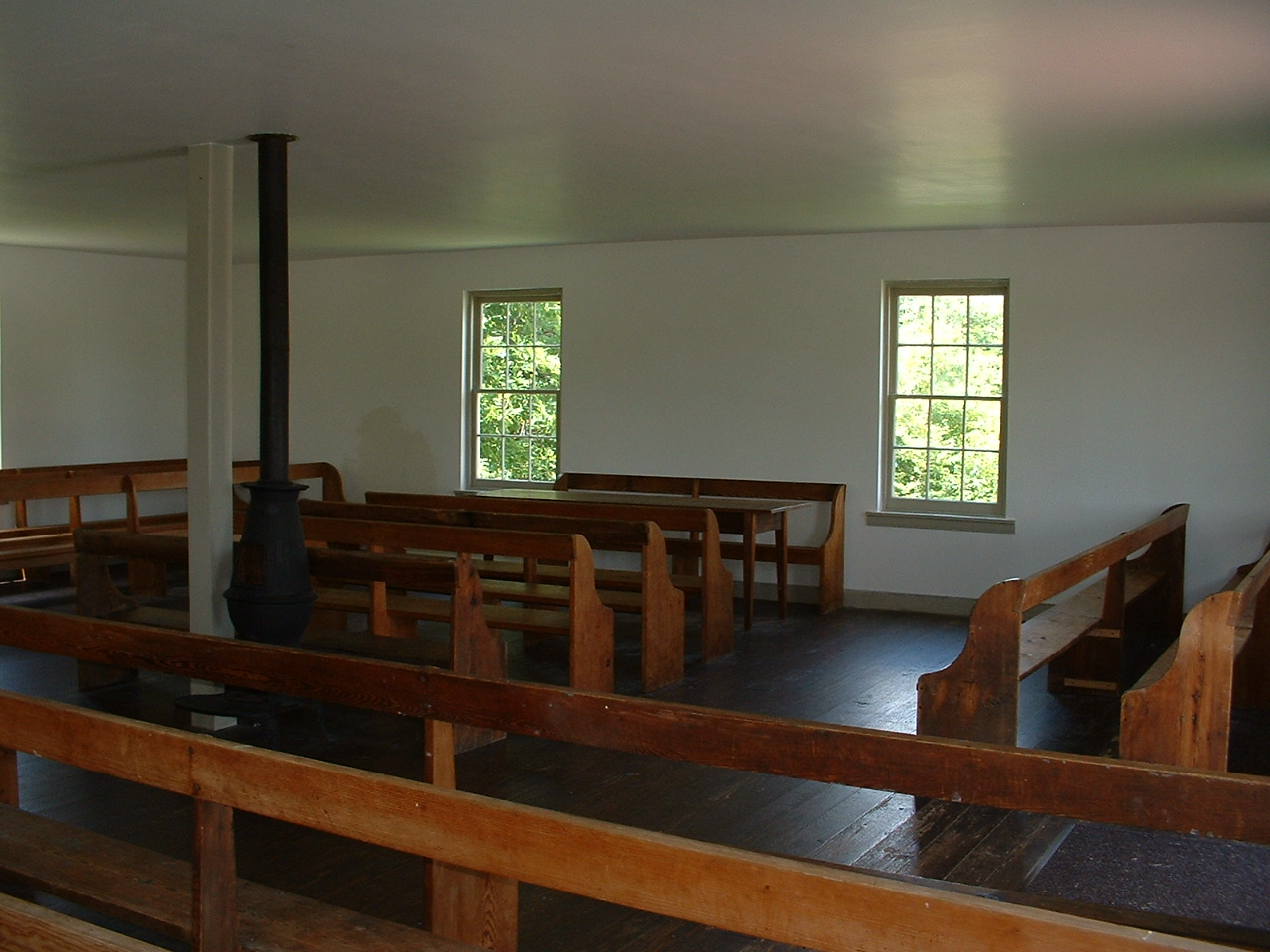
| The Dunker Church. The Battle of Antietam, fought September 17, 1862, was one of the bloodiest battles in the history of this nation. Yet, one of the most noted landmarks on this great field of combat is a house of worship associated with peace and love. Indeed, the Dunker Church ranks as perhaps one of the most famous churches in American military history. During the battle of Antietam the church was the focal point of a number of Union attacks against the Confederate left flank. Most after-action reports by commanders of both sides, including Union General Hooker and Confederate Stonewall Jackson, make references to the church. At battles end the Confederates used the church as a temporary medical aid station. At least one account states that after the battle the Union Army used the Dunker Church as an embalming station. One tradition persists that Lincoln may have visited the site during his visit to the Army of the Potomac in October 1862. As for the old church, it was heavily battle scarred with hundreds of marks from bullets in its white washed walls. Likewise artillery had rendered serious damage to the roof and walls.. By 1864 the Church was repaired, rededicated and regular services were held there until the turn of the century. (National Park Service) | Inside the Dunker Church. By the end of the 19th century membership had dwindled. The congregation built a new church in the town of Sharpsburg. Veterans that returned often had their picture taken in front of the church. Over the years souvenir hunters took bricks from the walls. A lack of adequate repair and maintenance left weakened structure and in 1921 a violent wind and hailstorm swept through the area flattening the church. With no plans to rebuild the church, the Board of Trustees voted to relinquish all claims to the property and have it revert back to the Mumma family. In 1924 the land and church ruins were put up for sale and purchased by Sharpsburg resident Elmer G. Boyer. He salvaged most of the undamaged material of the building and in turn sold the property. The new property owner built a home on the foundation of the old church and in the 1930's operated a gas station and souvenir shop on the site. This structure was removed in 1951 when the property was purchased by the Washington County Historical Society. They in turn donated the site, now just a foundation, to the National Park Service. Because the Dunker church was a prominent battlefield landmark, its reconstruction was a long term goal of the National Park Service. In 1960 The State of Maryland provided the NPS with $35,000 to reconstruct the church. The present Dunker Church, standing on the original site was completed late in 1961. Many of the original salvaged materials were purchased from Mr. Boyer and are now integral parts of the reconstructed church. These include 3,000 bricks, door and window frames, some flooring, and a number of benches. A visit to the Dunker Church today is like a step back into time. Note the simplicity of the church with its plain windows, crude wooden benches on which you may have sat for hours during the services in bygone years; and the simple table at the front where the elders of the church would have read from the old Bible. Take a seat inside and contemplate the sacrifice of the people of 1862. (National Park Service) | ||||||||||||||||||||||||||||
|
|||||||||||||||||||||||||||||
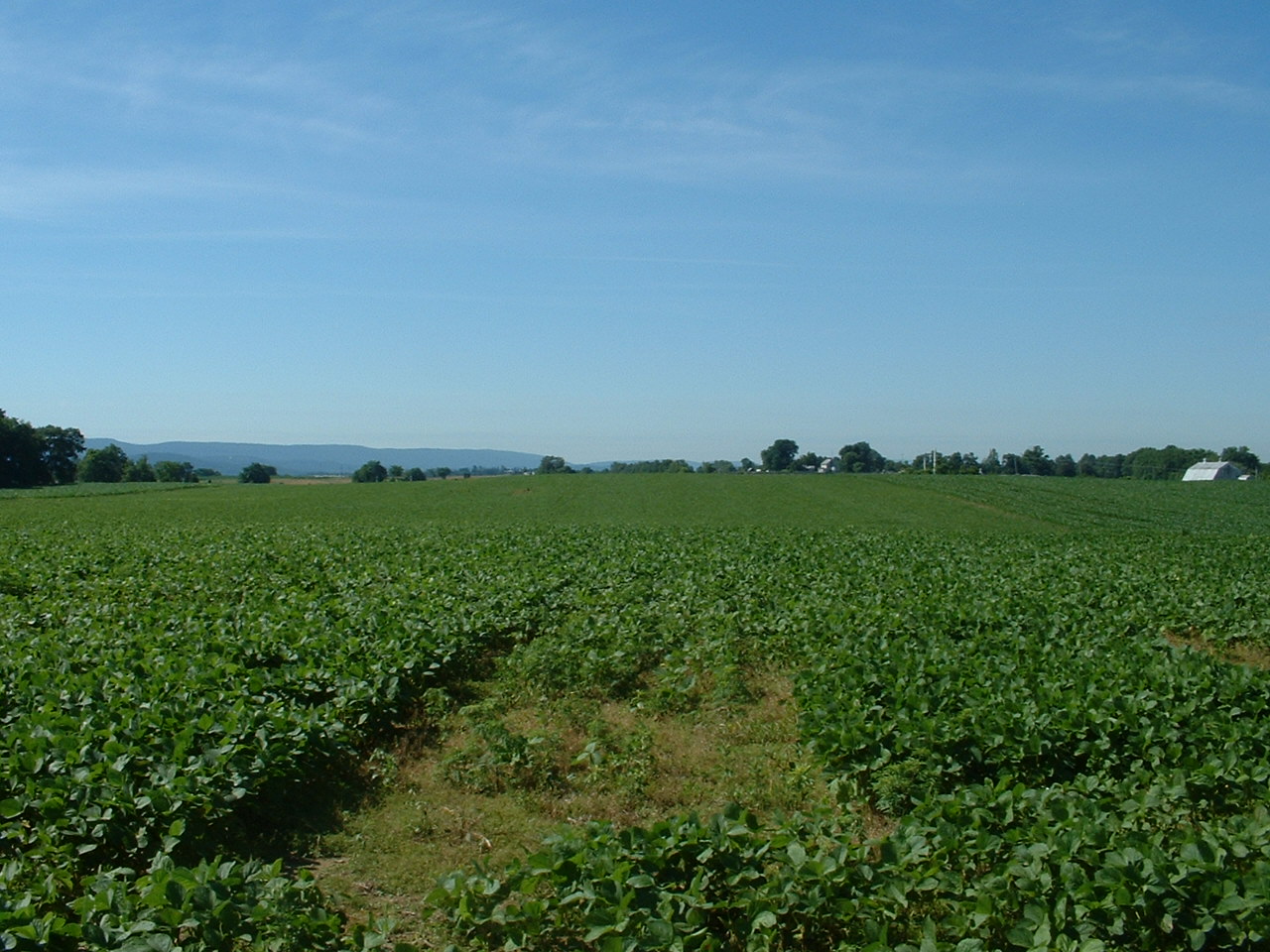
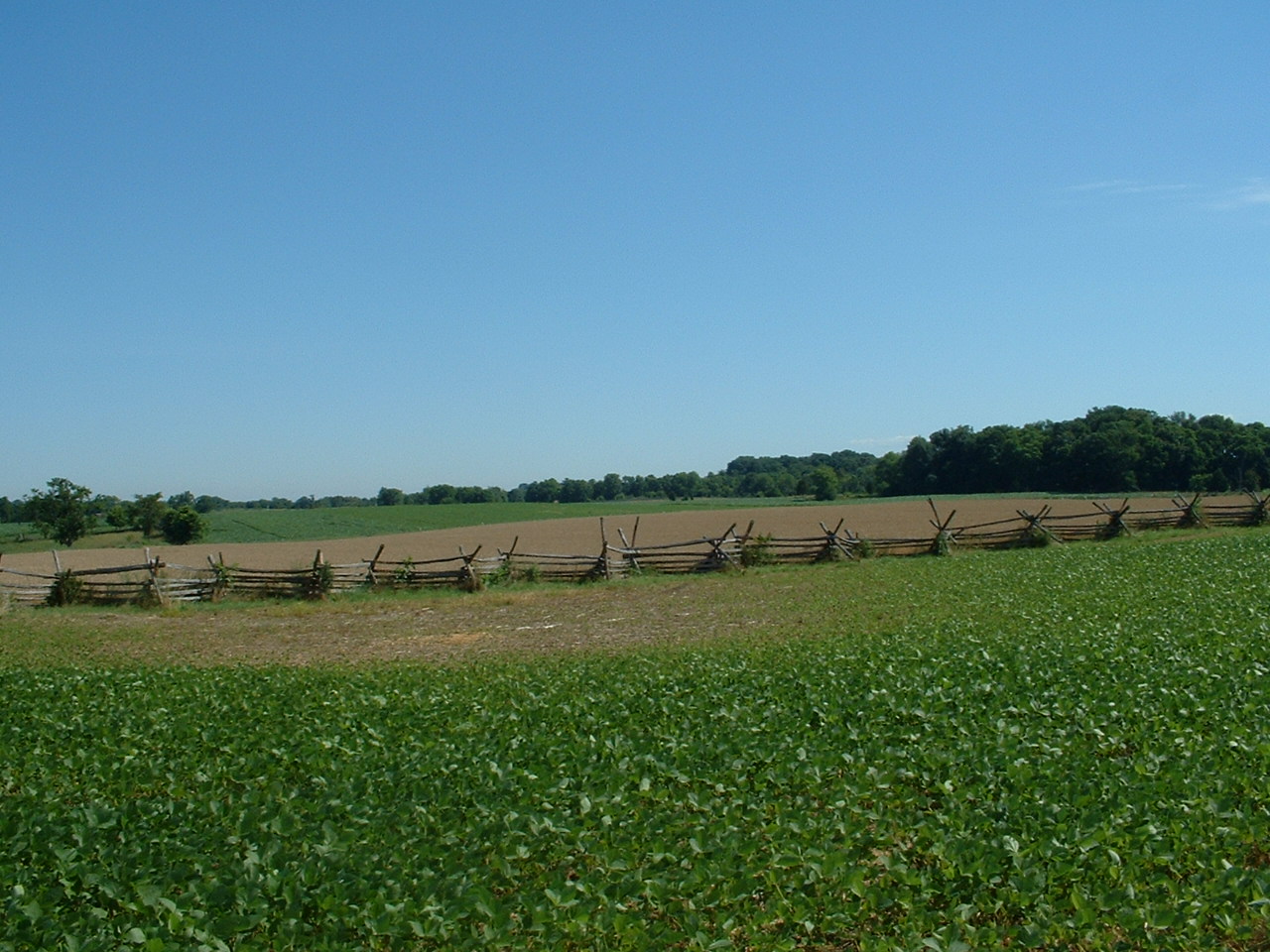
| Looking south from the North Woods. On the morning of the 17th, the Confederate divisions of McLaws, Anderson, and A.P. Hill had not yet arrived. Stonewall Jackson had only 5,500 men in the divisions of J.R. Jones, Lawton(Ewell), and Hood to protect the northern Confederate flank along with Stuart's cavalry. Hooker's I Corps (Union army) numbered 7,000 to 9,000 men and was centered here in the North Woods. He was ordered to attack at dawn. This is the view from the North Woods toward the Confederate line on the horizon in the Cornfield. Rickett's division advanced on the East Woods, part of which is visible on the left of the picture. Doubleday's division advanced on the West Woods, visible to the right of the picture. Gibbon's Iron Brigade of Doubleday's division deployed where this picture was taken, and advanced on the Cornfield. Meade's division was between Ricketts and Doubleday and slightly to the rear. As soon as the attack began, the men were raked by Confederate artillery fire from Nicodemus Hill and the Dunker Church, and Union batteries behind North Woods and across the Antietam responded. As Gibbon's brigade advanced, the skirmishers met Rebels in the Cornfield, and the brigade halted. Battery B, 4th US Artillery went forward to the Miller farm and blasted holes into the Confederate defenders. (johnsmilitaryhistory.tripod.com) | |||||||||||||||||||||||||||||
|
|||||||||||||||||||||||||||||
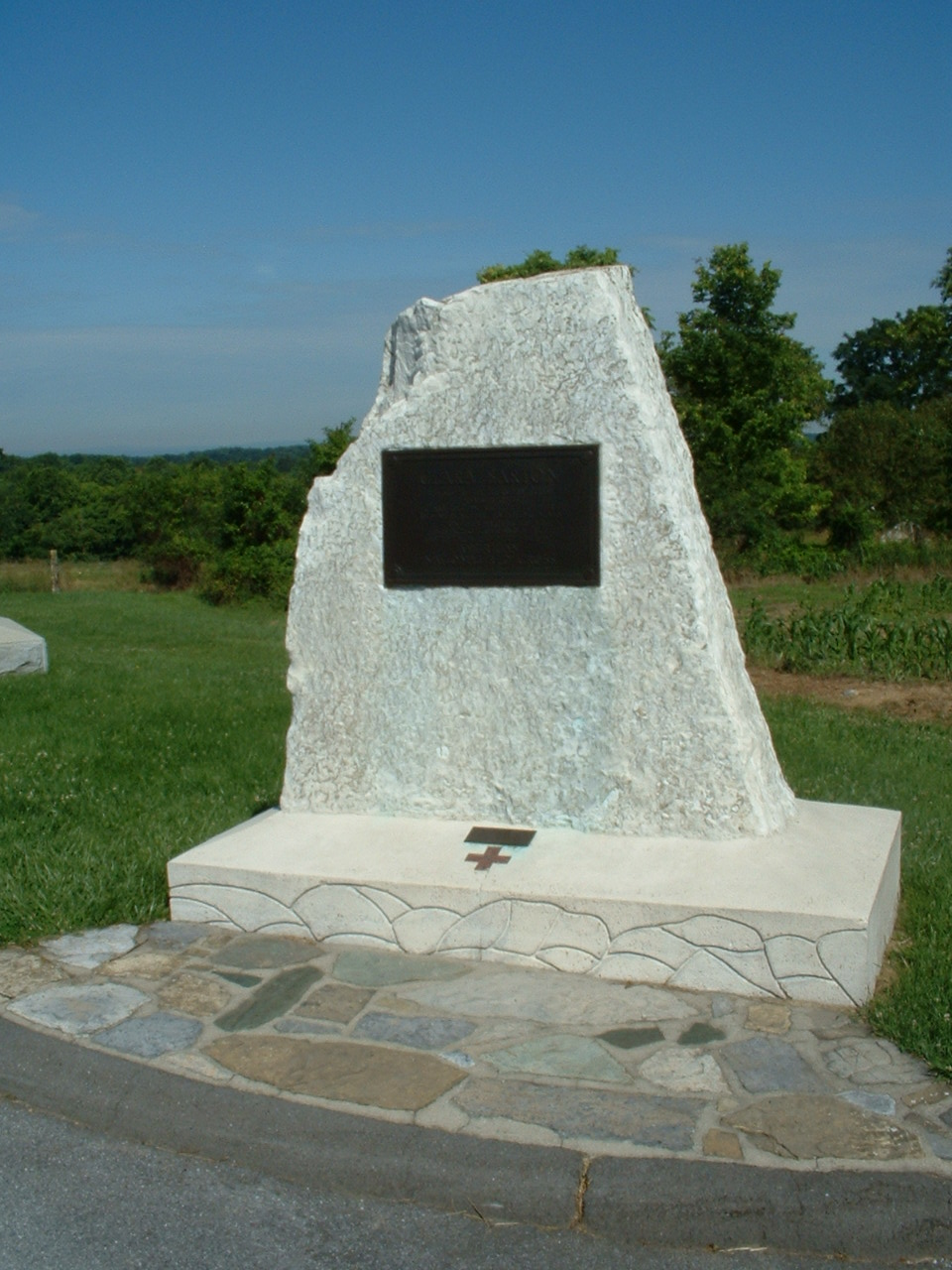
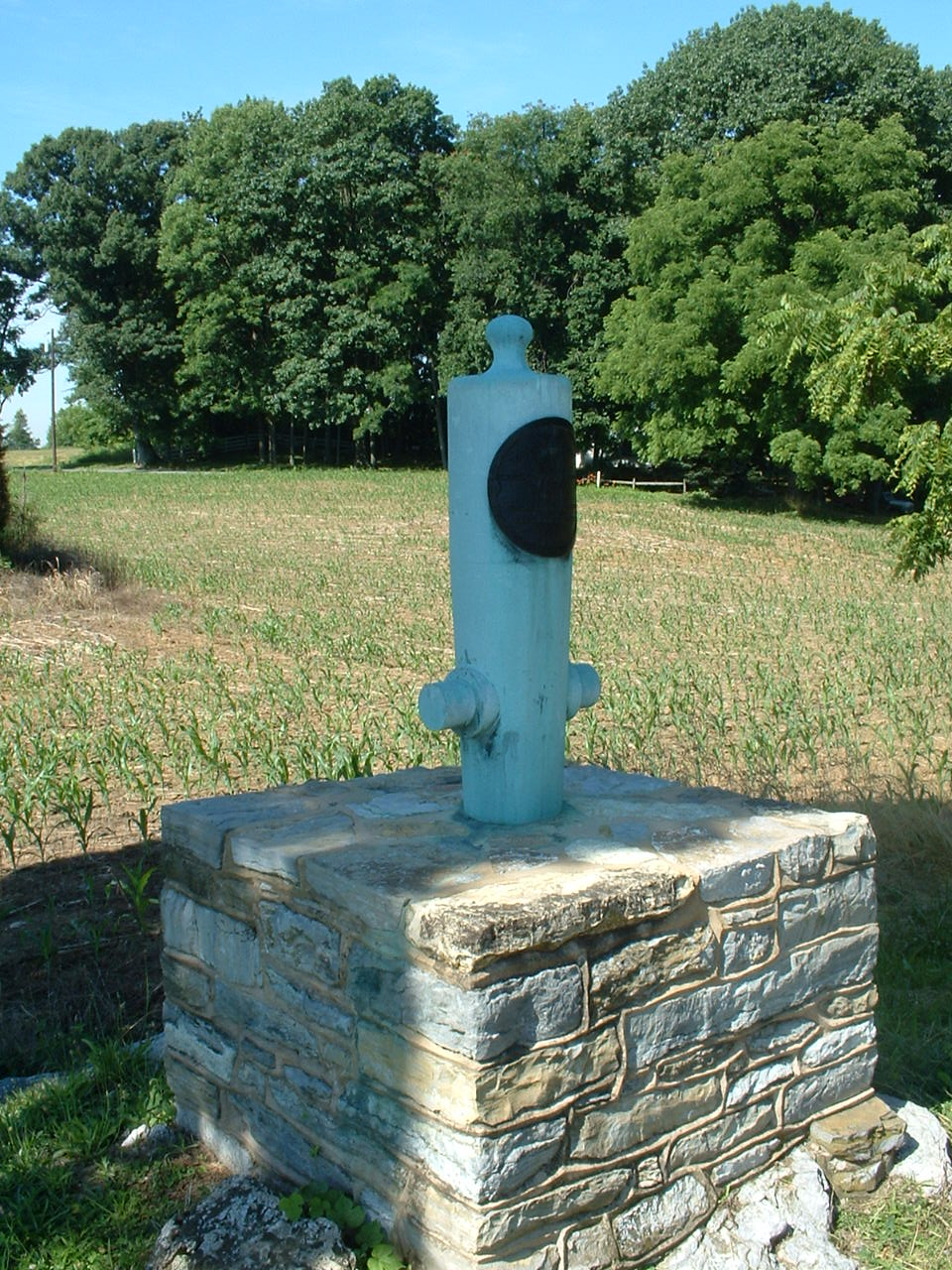
| Clara Barton Monument. The plaque on the monument reads: CLARA BARTON. DURING THE BATTLE OF ANTIETAM SEPTEMBER 17, 1862 CLARA BARTON BROUGHT SUPPLIES AND NURSING AID TO THE WOUNDED ON THIS BATTLEFIELD. THIS ACT OF LOVE AND MERCY LED TO THE BIRTH OF THE PRESENT AMERICAN NATIONAL RED CROSS. THIS SYMBOLIC RED CROSS HAS BEEN MADE FROM A BRICK FROM THE CHIMNEY OF THE HOME WHERE CLARA BARTON WAS BORN AT NORTH OXFORD, MASSACHUSETTS ON CHRISTMAS DAY, 1821. It's extremely rare to have a monument to a civilian on a Civil War battlefield. Even more rare to have a monument to a civilian woman. | |||||||||||||||||||||||||||||
|
|||||||||||||||||||||||||||||
|
|||||||||||||||||||||||||||||
| General Joseph Mansfield mortal wounding monument. Antietam was his first time leading men under fire and into combat. There were problems with his first (and only) command. Many of the regiments in the Twelfth Corps were utterly green, ninety-day units raised after the Union disaster at Second Manassas and the subsequent move of Lee and the Army of Northern Virginia into Maryland. The Twelfth Corps came onto the field of battle about two hours after the Union First Corps opened the Union advance on the left flank of Lee's line. As the Twelfth Corps clumsily jockeyed itself into position, it was largely supervised in its placement by Mansfield himself, who seems to have ignored using his own staff. Doing so would prove Mansfield's undoing for, as the Corps started moving from the area of the East Woods toward D. R. Miller's Cornfield ("The Cornfield"), he was hit by Confederate fire. A gust of wind blew open his uniform coat, revealing a nasty wound in the abdominal area, much to the surprise of some of the officers in the regiments under Mansfield's command. There is much controversy as to the actual spot where Mansfield received his mortal wound. The mortuary cannon for him gives a general compass direction of the place of his mortal wounding totally at odds with the Mansfield monument a scarce few yards away. Mansfield died within hours; he is certainly the oldest of the six general officers to perish on the field. (us-civilwar.com) | |||||||||||||||||||||||||||||
| Looking north, East Woods on the right, the Cornfield on the left. Union General Mansfield had his men attack through these woods. Union artillery was stationed in front of the woods, shelling Confederate artillery near the Dunker Church out of the picture on the bottom left. | |||||||||||||||||||||||||||||
|
|||||||||||||||||||||||||||||
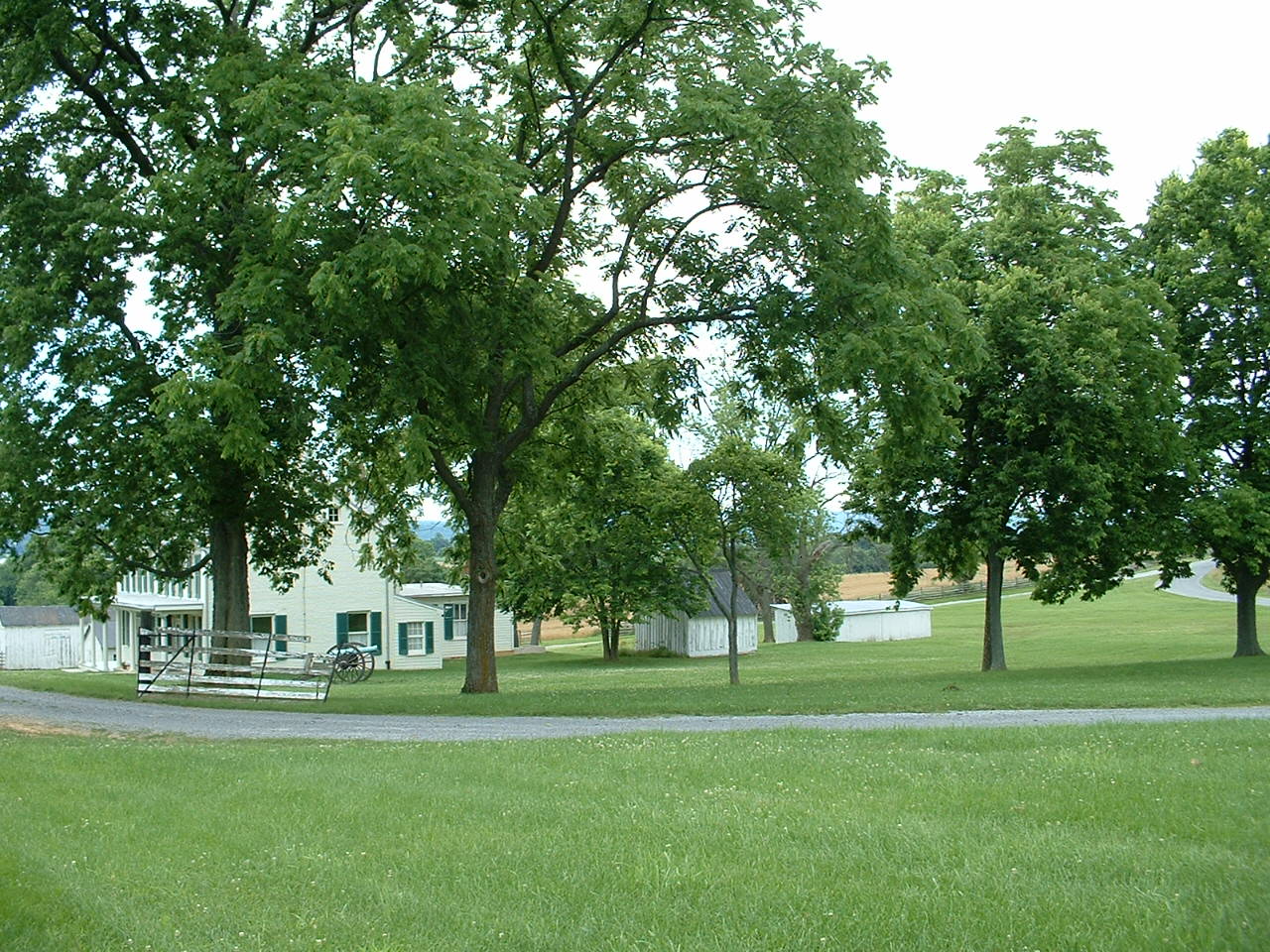
| The Dunker Church would not be the only Dunker property that would fall victim to the machinations of battle this day, for Confederate soldiers would burn the Mumma farm to the ground, in order to prevent Union sharpshooters from gaining an advantage from its strategic position. (Only one small building survived to the present day) On the morning of September 17, 1862, the Mumma family saw Confederate soldiers on nearly every side. Neighbors and church members gathered at their farm in order to decide the best course of action. Finally, they decided to seek protection at the Manor Congregation. First, the children were escorted while the adults made several last minute decisions. It was a long northerly walk, passing Confederate soldiers everywhere. Never had they imagined the overwhelming numbers of men, horses, and weaponry that would saturate their homeland. Troops. Wagons. Limbers. Cannons. Flags. Generals. Rifles. Drums. Bugles. So many elements of destruction. Only this past Sunday, the children had walked these very roads on their way to that Little Dunker Church where love and peace was instilled in them. How ironic! A peaceful people overtaken by the very human propensity for destruction, against which they have historically witnessed. How also could they know that this day would be the bloodiest day of battle in United States history? All, to occur before their little Dunker Church. (cob-net.org) | |||||||||||||||||||||||||||||
|
|||||||||||||||||||||||||||||
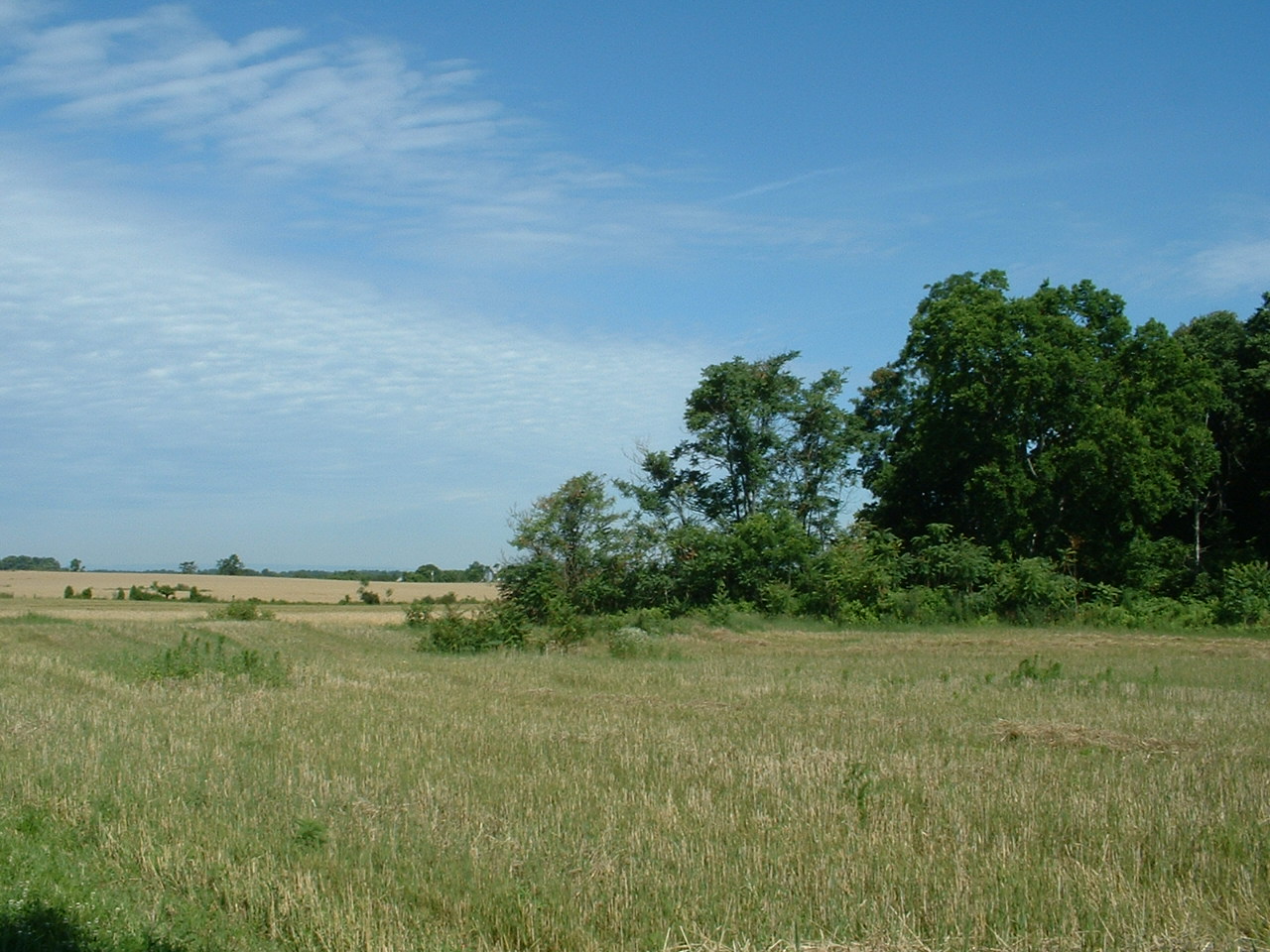
| The Cornfield, looking north. The Union army attacked from the north and the east (East Woods on right). On September 17, 1862 there was tall corn growing in the field. When the lead units of the Union army emerged from the field they were met by heavy artillery and musket fire from Confederates behind you in this photo and to the left, around the area of the Dunker Church. The Confederates advanced and for the next few hours the two sides rolled back and forth across the field until the corn was cut to the ground by bullets and artillery shells. This small space does not allow for a full description of the horror of the fighting in this area. This was the bloodiest field on the bloodiest day in American history. Statistics from The Cornfield: Federal troops engaged: 17,000. Federal casualties: 4,350. Confederate troops engaged: 11,800. Confederate casualties: 4,200. | |||||||||||||||||||||||||||||
| Be sure to sign the GuestBook by clicking here. Click here to continue your tour! |
|||||||||||||||||||||||||||||
| E-mail me with your comments and suggestions! | |||||||||||||||||||||||||||||