| Companion Bird Club |
 |
 |
| "A club for parrots and their human companions!!" |
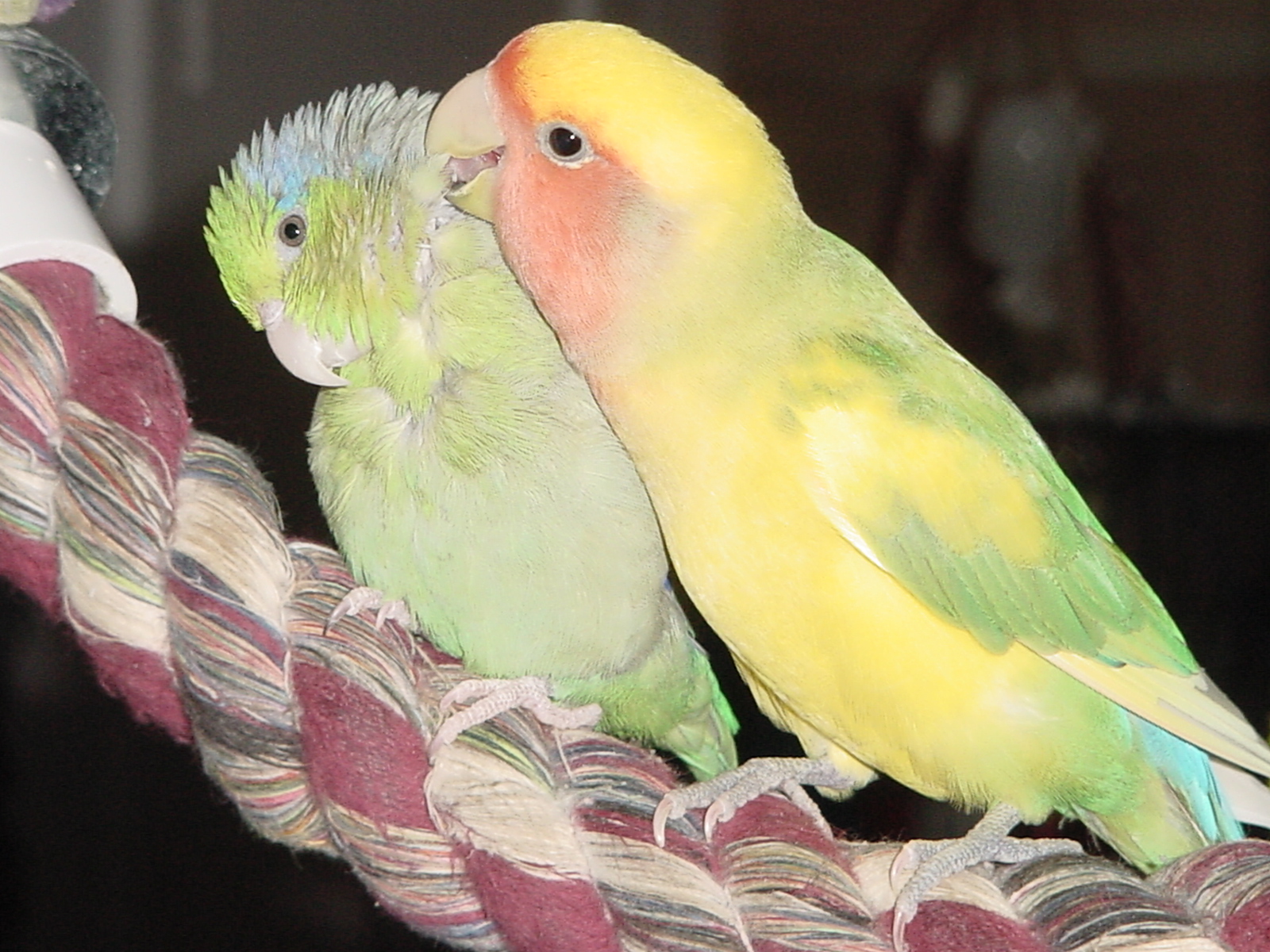
| Choosing the Right Parrot For You: Finding the right species of parrot to fit into your home and lifestyle is as important as finding the right dog breed. Success or failure could depend on your accurately assessing the traits and personallity of the different species. Please research your choice on the internet or library thoroughly BEFORE you puchase a new companion. Parrots range in size and temperament from the small, feisty Pacific Parrotlet to the gentle mid-sized Cockatiel or comical Conures, Caiques or Poicephalus, to the larger, sensitive, highly intelligent Amazons, Cockatoos, or African Grays, to at last the giant, gregarious Macaws. All of these require interaction, good nutrition and veterinary care. Some differences to consider are: � Cage size � Of course the larger the parrot, the larger the cage. You need to get not only the correct size with a secure door, but also must make sure the bar spacing is correct for the species you�ve chosen. � Food � Again the larger the bird, the more food they will consume. You must make sure you have the proper nutrition for your particular parrot. � Toys � This may seem minor, but parrots, especially the larger ones are like a one-bird wrecking crew and will need plenty of toys for mental stimulation, for physical activity and just plain mayhem and destruction. � Personality & Emotional Needs � If the idea of being bitten is horrible to you, then perhaps you shouldn�t get a parrot. Some parrots are more prone to nipping than others. The gentle Cockatiel or little Budgie who cannot do much damage with a nip, would be a good bet for a beginner. Parrots can be trained not to bite, but it will still happen from time to time. Some parrots prefer a lot of handling and cuddling and some prefer less. Some can entertain themselves in your absence and some cannot. Be sure you read about the particular species you�ve chosen so you can make a good match. Equally as important as nutrition is your parrot�s emotional requirements. Not only are they incredibly smart, but they are flock animals. They need intellectual stimulation as well as affection and time spent with you. Pet sanctuaries are full of birds with self-destructive habits and other mental problems from being shut in a cage alone with no attention or love. Please don�t let your parrot become one of these. Love and talk to it as often as you can. � Life Span � Most parrots live from 10 to 60+ years. If you are older, perhaps you should choose one of the shorter-lived parrots, or if you choose a long-lived one, then make sure you have a will that outlines disposition of the parrot upon your death. |
| FINDING A PARROT |
 |