| 1. Nano Dust Dispersal |
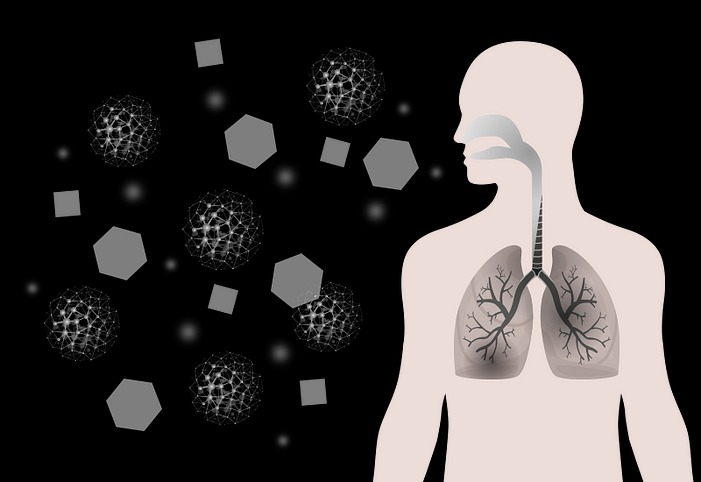
2. Human Breathes in Nano Dust |
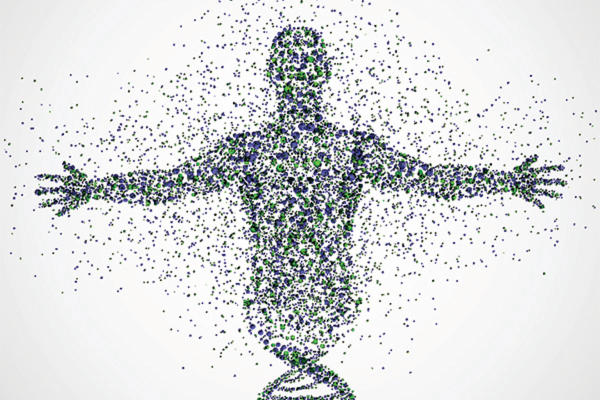
3. Nano Dust in Body |
4. EMF Scans for & Detects Nano Dust in Bodies |
 |
 |
 |
 |
| 5. Biological + Digital = |
6. A Bio-Cyber Interface is Formed |
7. Central AI Cloud Bio-Data Storage |
8. Mainframe & Gateway Network |
 |
 |

|
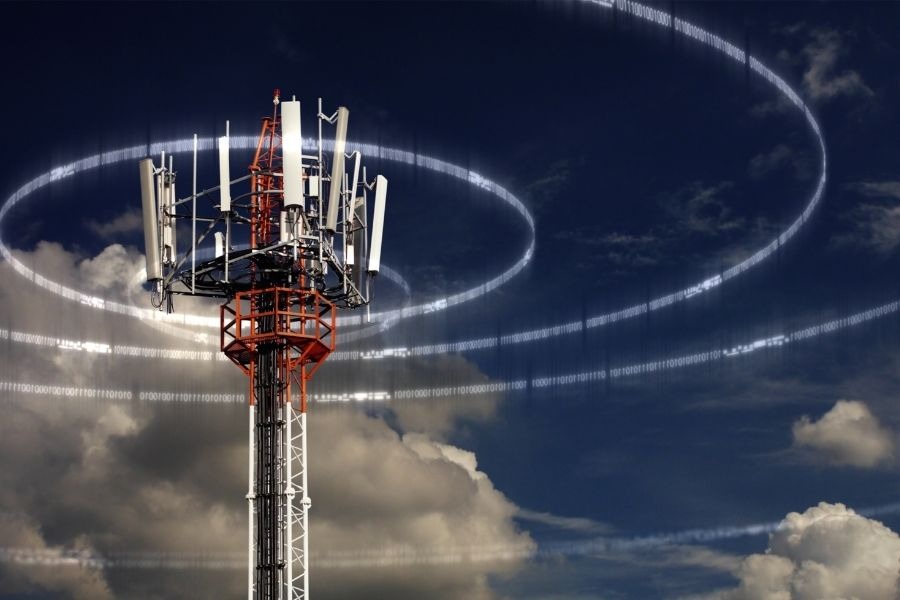
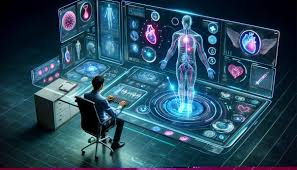
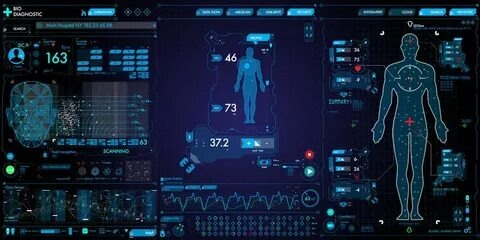
The sum of all real-time bio-data and 'energy harvesting' surveillance is archived and processed in the "AI central mainframe". Also called a "cloud". This central mainframe can be accessed from any decentralized location. Medical, government, and military echelons (technocrats) would be granted 'administrative access' to this mainframe. Gateway devices enable the wireless network to telemetrically circulate and transcieve biodata from your body throughout the wireless network spectrum in real-time. In what is called 'distributed tracing architecture' and 'ubiquitous surveillance'. Gateway devices all around you are constantly emitting 'fields' to 'scan and detect' nanoparticles inside your body using your biofield as a conduit to 'actuate' and transceive your biodata back out into the wireless network.
Gateway Devices: Light Fidelity (Li-Fi), Smartphones, Smart devices, Smart appliances, Bluetooth devices, cars, antenna COMMS towers, doppler towers, public places like grocery stores and super markets, airplanes, drones, satellites, etc.. |
| 9. Wireless Internet Healthcare |
10. Bio-Cyber Interface Operating System |
11. Real-time Biosurveillance |
12. Nano Dust |

|
|
|
- Superparamagnetic Iron Oxide Nanoparticles: Magnetic Nanoplatforms as Drug Carriers  (download PDF)- Corona Phase Molecular Recognition (CoPhMoRe)” – This is a dual-use targeting system which enables nanoparticle surfaces to recognize specific analytes or chemicals for purposes of measuring, analyzing, or acting upon them. (download PDF)- Corona Phase Molecular Recognition (CoPhMoRe)” – This is a dual-use targeting system which enables nanoparticle surfaces to recognize specific analytes or chemicals for purposes of measuring, analyzing, or acting upon them.
- AI Precision Medicine- Drug Delivery System Platforms- Bioimaging Applications
- Cyber-Physiochemical Interfaces"cyber-physiolochemical interface (CPI) that iscapable of extracting biophysical and biochemical signals, and closely relating themto electronic, communication, and computing technology, to provide the core for aforementioned applications." (download PDF) |
| 13. Drug Delivery Systems |
14. Executing Magnetic Signatures |
15. Teslaphoresis + Self Assembly |
16. Targeting |
|
|
|
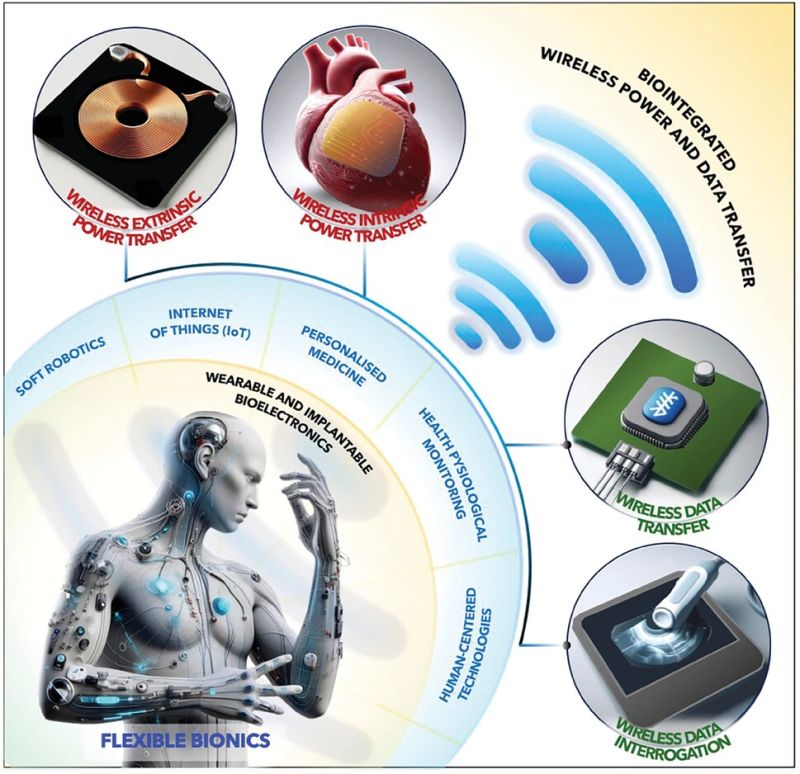
Not only are Nanoparticles designed to recognize specific analytes or chemicals inside the body, it is also designed to be EMF responsive to "magnetic signatures".
A magnetic signature is equivalent to executing a computer "command line" over the wireless network by a "sender" to a "receiver" (you, node). Sender Node to Receiver Node.
Depending on the design and objective of the nanoparticles. When magnetic signatures reach the nanoparticles it triggers self-assembly and teslaphoresis which influences,alters, and manipulates the organic Molecular Communicative processes in the body.
This is essentially a 'drug delivery platform' that can be used to manipulate and switch off genes and hormones in the body. Altering mood, thoughts, and behaviour. |
| 17. |
18. Nanocarriers |
19. X-Ray from a Distance |
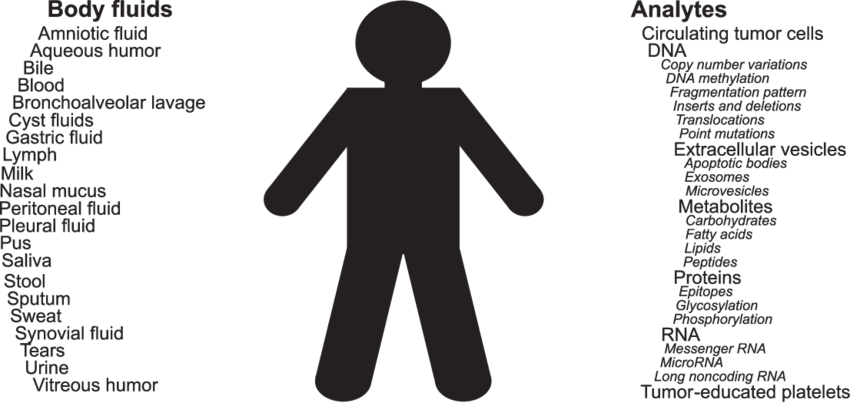
20. Analytes & Body Fluids |
An individual can download special software onto a phone or computer and log into the AI mainframe, and depending on administrative rights, can view and alter physiochemical parameters on the "digital twin" of the target at hand.
All gateway devices around us are constantly emitting frequencies that specifically scan the external magnetic field for nanoparticles, including intra-body nanoparticles. This relays physiochemical data back to the "sender".
|

|
Usually, before an x-ray appointment. The patient is required to drink Barium particles in liquid form so the x-ray machine can scan those particles and convert a visual image of your organs on a live screen.
This is the same concept being used on the macro scale population using nanoparticles and gateway devices with optogenetic capabilities. |
|