| HOME | PREVIOUS | NEXT | LINK | CONTACT US |
|---|

| 1 | 2 | <<Back |
|---|
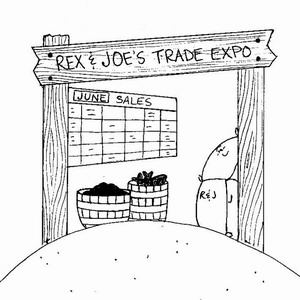
to hone in on Srimantha’s idea of locality. On April 29, 2006, President Hugo Chavez of Venezuela, Evo Morales of Bolivia and Fidel Castro of Cuba joined together to sign the Bolivian Alternative to the Americas (ALBA), a regional trade agreement. “They [the U.S.] speak of a free trade zone,” Chavez says, “but it means dictatorship and repression for the majority. What we must promote is unity in the political plane. In economics as well, but it doesn’t just boil down to that; besides, economic unity will be a slower process.” These leaders call for “a zone free of illiteracy, infant malnutrition, unemployment and people without a roof.” Cuba will provide doctors in exchange for cheap oil from Venezuela. Bolivia, which recently suffered the loss of its trade partner, Columbia, to an FTA with the U.S., will now have a market for its soy beans. Curing the inequalities of the world may be a bit far fetched. But trade that takes into account more than the “needs” of two people, whether they are Thaksin and Bush or Joe and Rex, should not be too much to ask. By using trade to obtain things they need rather than manipulating the market for business means, hopefully these progressive Latin American countries can set a precedent for a new kind of trade that values community empowerment over economic imperialism. When departing the US Embassy, being the polite guest that I am, I thank my hosts for taking time to speak with me. Thorin amiably replies, “This was fun for us too. We don”t get a chance to think about the big picture too much.”
|
||