The Joy of Music
My interest in music began when my sister bought a harmonica set for me before she left for summer camp in 2014. Before then, I spent the spring months trying to taper off from video games and television into more fulfilling, tangible activities. I started trying to learn calligraphy and sketching. However, it didn't take long for me to discover that I didn't enjoy creating visual arts. I fell back on my old habits until that fateful day when I got my harmonica set.
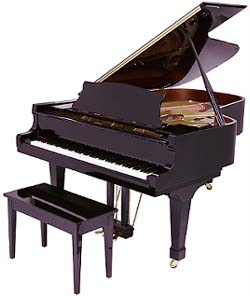
Along with the haromnica, I've picked up the basics of how to play the Irish tin whistle and the piano. I got my Irish tin whistle the summer of 2016, and spent the summer watching free lessons and practicing. That following summer, a dear friend began teaching me the piano. The first song I learned was "Heart and Soul." I got my first Casio keyboard as an early Hanukkah present that November.
I am still a beginner in all of the instruments I play, including the harmonica despite having it for two years. Since I got my keyboard, I haven't touched my other instruments. I play music just for fun, and having fun is the most important ingredient in learning musical instruments for me. If I don't like a song, then it's difficult for me to memorize the tune, stay motivated, and enjoy playing.
Playing music has paved the way for me of living a better lifestyle. It has helped me cope with the blues, gain self-confidence, and has given me a life-giving activity. I eschew televison shows (but not movies), video games, and addictive apps; read more; and spend more time with my family (including Izzy & Lucy) and friends. Music, by showing me I was capable of more, seemed to make every other area of life more beautiful and invaluable. The joy of music, then, isn't just found in music itself, but by music's celebration of life. That is the joy of music.