

+ Home
+ About
+ Timeline:
Pre-1950's
1950's
1960's
1970's
1980's
1990's
2000-present
|
|
|
|
|
|
|
|
|
|
|
|
|
|
|
|
|
|
|
|
| History of Music Censorship | |||||||||||||||||||
| < -------------------------------------------------------------------------------------------------------------------> | |||||||||||||||||||
|
|||||||||||||||||||
|
|||||||||||||||||||
| Pre-1950's | |||||||||||||||||||
| Music censorship has been around for ages, ever since the creation of society, you could say. Internal censorship has always been present, whether or not it was the record companies censoring music, or individual families censoring certain music from their children. In the past, music without lyrics was censored and condemned simply because it didn't sound like the normal, popular style of music. Even in the seventeenth-century, Giuseppe Verdi had many of his operas rewritten by official censors to suit the audiences. | |||||||||||||||||||
| Menu: + Home + About + Timeline: Pre-1950's 1950's 1960's 1970's 1980's 1990's 2000-present |
|||||||||||||||||||
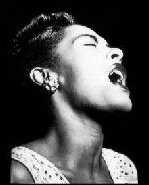
| With the evolution of the recording industry, record companies always censored music, although from the inside, so that the public would never even get a chance to hear the music. In 1939, Columbia refused to release Billie Holiday's recording of "Strange Fruit," an anti-lynching song. | |||||||||||||||||||
|
|||||||||||||||||||
| Although the 1950's are when more attention was called to music censorship, the idea/action of censoring popular music has always been present. | |||||||||||||||||||