 |
|
|
|
|
|
|
|
|
|
|
|
|
|
|
|
|
|
|
|
|
|
|
|
|
|
|
|
|
|
|
|
|
|
|
|
|
|
|
|
Lesson 9: Seminole Clothing |
|
|
|
The Seminoles are the descendants of the minority of 300-500 Indians who managed to evade capture during the Indian Removal Acts & resultant wars of the 1830�s & 40�s. In order to survive, the Florida Seminoles disappeared into the Everglades, where they lived in isolation from the outside world.
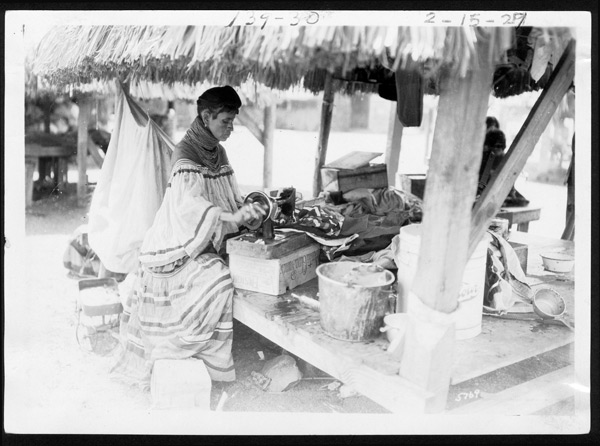
During this time the men�s plain shirt changed into a yoked shirt with a decorated front placket, similar in style to military jackets. The Civil War may have interrupted or disrupted trade, making it difficult to get fabric. By the 1880�s the Seminoles were involved in trade again, making a once yearly trip to a trading outpost in Miami. There they traded alligator hides, egret plumes & other trade items for ammunition, sugar, flour & other supplies, including cloth that came in large rolls. When their cloth supply ran short, the women would take the small strips that were left & made strips out of the remnants. These were sewn into larger pieces for clothing. Also in the 1880�s the availability of the hand cranked sewing machine transformed Seminole clothing into the form of patchwork that we recognize today as �traditional� Seminole dress. By 1892 there were sewing machines in every Seminole chickee�camp. Men now wore the elaborate long shirt, and skirts with multiple bands of fabric. Women�s long, full gathered skirts were even more ornamental, with bands of colored cloth as decoration. Women also wore as many glass bead necklaces as they could afford, sometimes up to 15 pounds worth! |
|
|
|
 |
|
|
|
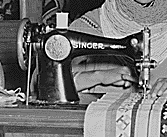
One of my students brought me this picture of a sewing machine, at the right, as an enrichment assignment. You can see that the fabric being worked on is Seminole patchwork. |
|
|
|
|
 |
|
|
|
|
|
|
|
| The bands of both men�s & women�s clothing were decorated with strips of geometric designs, incorporating straight, & slanted lines forming diagonals, diamonds & triangles. It wasn�t until the 1920�s & 30�s that the designs were fully developed & were used not only in their own clothing, but in that sewn for trade. A railroad to Miami was completed in 1896, bringing tourists who were intrigued with and purchased the elaborate, unique patchwork. During WWI, the Seminoles began using solid colors in their patchwork because German dye supplies, used to print the calicos that had been the favored fabrics, were cut off. The 1930�s were the golden age of Seminole patchwork. Seminole garments continued to change & evolve. The men�s clothing became the transitional shirt whose skirt portion became shortened & made of plain fabric so it could be tucked into trousers, & later became an Eisenhower-style jacket. Women�s skirts became narrower & the cape over the shoulders shrank, becoming a ruffle at most. A patchwork jacket gathered at the waist & wrist became popular in the 20th century. The strip-pieced patterns became codified by name such as �Fire�, �Rain�, �Lightening�, �Arrow�, �Diamondback rattlesnake�, among others, & by family group. |
|
|
|
Designs reflected daily life: lightning striking across the sky, crosses that reflected Christian teachings, fires that raced through the swamp, the spools that held the colored threads used to sew the very patchwork. So distinguishing was this patchwork garment art that pattern changes in patchwork trace the history of the Seminole over the past one hundred years.�
In 1957, the Seminole tribe incorporated & adopted a constitutional form of government. Present day Seminole women have moved into the job market & do not have the time to create the traditional patchwork. The history & tradition of making patchwork is slowly fading, & the clothing, while still worn by some, is largely pulled out for ceremonial occasions. In an effort to keep the traditions alive, schools are now teaching young girls how to sew & make the patchwork. Lesson plans for teaching culture & traditional clothing are readily available on the web. |
|
|
|
 |
|
|
|
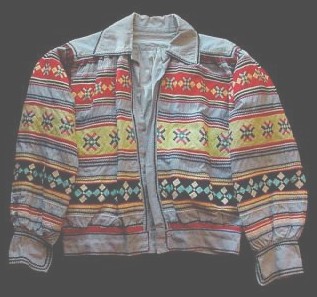
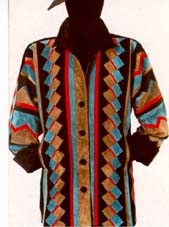
This men's patchwork jacket was seen on e-Bay at $189 |
|
|
|
|
|
From the 1970's to the present, many seamstresses enlarged their designs and began utilizing fabrics other than cotton for special occasions. Patchwork vests are worn frequently today. Patchwork has also been used to decorate all other types of clothing & accessories. I even found a free pattern for a Seminole patchwork glasses case, with good instructions. |
|
|
|
|
|
The basic technique of Seminole patchwork is to sew long strips of fabric together, slice & dice them into pieces, then sew them back together in different positions. While the technique itself is not hard, achieving the precision needed to create a well-made design takes some time to perfect! Here's another clear picture of how to do Seminole piecing. |
|
|
|
 |
|
|
|
 |
|
|
|
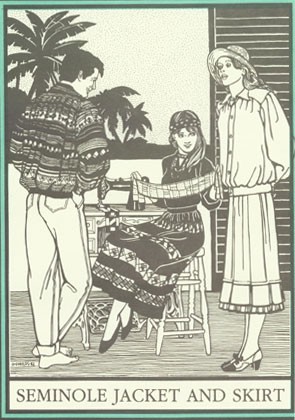
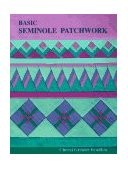
For the adventurous sewer, Folkwear Patterns has a Seminole jacket & skirt, designed for them by a woman of Seminole & Navajo descent. The book, Basic Seminole Patchwork, pictured at the left (now out of print) shows the techniques & designs very clearly. |
|
|
|
|
|
|
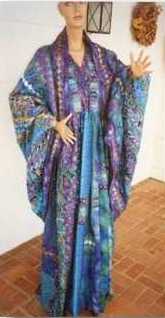
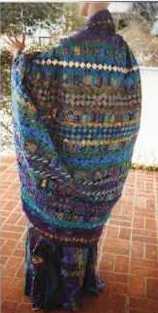
| For those who want to wear garments with Seminole patchwork elements, but do not want to sew them, I found several garments pictured below. The links to the ones on the right are broken, so I removed them. |
|
|
 |
|
|
 |
|
|
|
 |
|
|
|
|
|
|
|
Index |
|
Previous Page |
|
|
|
|
Week 10: Victorian Children's Clothing |
|