1. What was the group's traditional dress before being contacted by or assimilated into "Western" culture?
2. What changes have been incorporated after contact
3. What traditional styles, if any remain?
4. What pressures facilitated change or preserved tradition?
What I found out about the Seminole clothing was even more interesting to me than following up on the pollera. In considering the traditional dress of the Seminole Indians, I discovered that their forms of dress did not follow the more usual pattern of change in dress as a means of forcing change on a population as is discussed in the week 9 lecture.
The questions for this lesson are not answered in nice neat paragraphs because Seminole clothing exists in an odd historical "pocket�, & the evolution of their clothing continued until the second half of the 20th century, much later than that of any other people groups who came in contact with imperial/colonizing forces in North America.
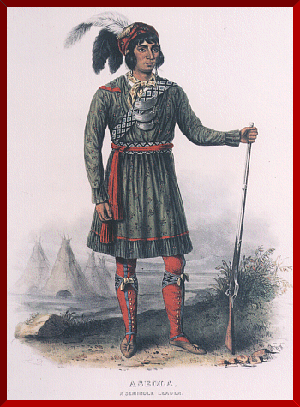
The Seminoles are composed of several culturally related tribes that started to migrate into North Florida sometime before 1750, as a result of the European political situation in Colonial North America. The tribes which were to become the Seminoles had already replaced most of their native clothing for clothing they made from European trade goods, often borrowing European patterns as well.
The Seminole clothing traditions come out of general Southeastern traditions, but continued to exist (and evolve) long after the rest of that Southeastern Indian culture had been shut down by extinction, by relocation to Oklahoma, or by being overwhelmed by white dominance.
Seminole clothing styles were already well defined by the 1820's, a time when the Plains Indian cultural patterns that so many reenactors admire and copy were just beginning to fully develop. After the 1830's, only the Seminoles kept going as a distinct culture. The Seminoles' strong avoidance of any but the most necessary contact with whites, their voluntary isolation, kept their branch of Southeastern culture unique and distinct long after the rest was gone.
The Seminoles were originally Lower (western Georgia) Creeks who moved in to the area around present-day Tallahassee and Gainesville, as interaction with European explorers/colonists increasingly pushed them off their ancestral lands. As Creeks, clothing was made from animal skins as well as from bark & feathers. (Encyclopedia of American Indian Costume) As the tribes were pushed farther south & finally into the Everglades, they had less access to deerskin (and less need for warm clothing), so they relied more on plant sources for clothing. Because of this tribal movement, & contact with European traders, what we think of as traditional Native American clothing styles had been replaced by clothing that they made from European trade goods as early as the 1700�s. Their clothing developed as the Seminoles adopted & adapted clothing styles from their European contacts. Contact & trade with the English in Georgia gave them cotton cloth & garments. In the 1700�s contact with Scottish settlers & traders influenced Seminole dress, as did contact with Africans. Both Scotsmen & Africans became assimilated into the Seminole tribes. Mary Parker, in the Folkwear Book of Ethnic Clothing writes that, �the proximity of Highland dress, the need to conserve hides for trade & the availability of European fabrics combined to produce the first great change in clothing styles of the Seminoles.�
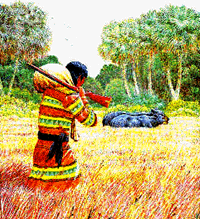
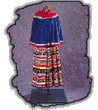
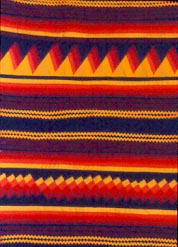
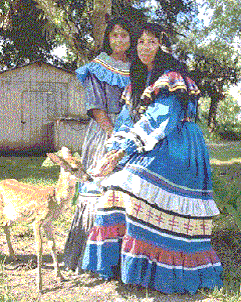
It is from this time that �traditional� Seminole clothing began, but it only became developed after they were displaced. Men began to wear a sleeved shirt called a plain shirt; women began to wear long, very full gathered skirts & short tops with a very wide shoulder ruffle, like a cape, & long sleeves, all constructed with horizontal bands of fabric inserted into the garments.