| CICLOTURISMO PERU: Valle de Chincha CYCLE TOURING PERU: Chincha valley |
 |
 |
 |

|
 |
 |
 |
 |
| Contact Info: Aníbal Paredes M. [email protected] Phone: ++ (51) (1) 433 7981 |
|
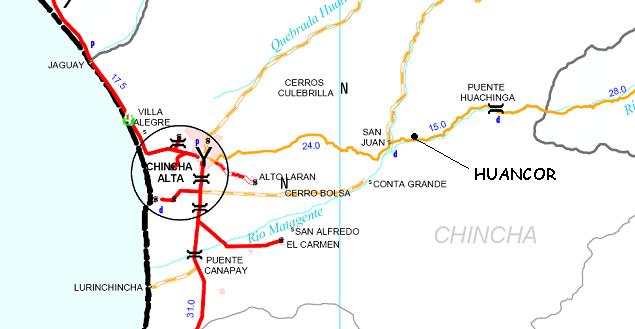
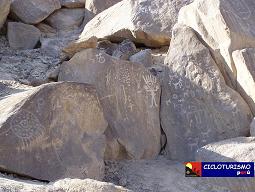
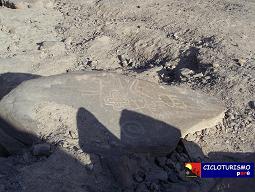
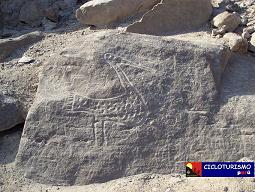
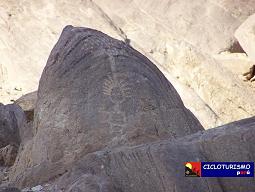
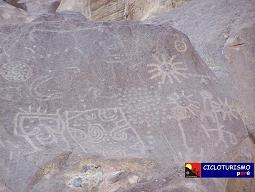
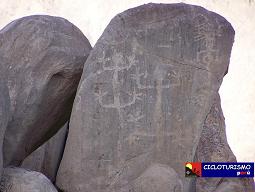
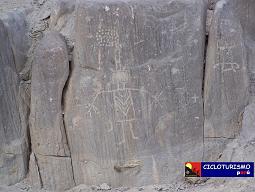
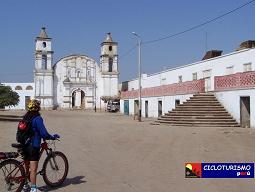
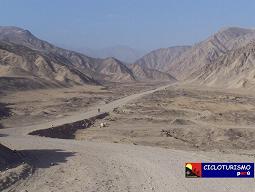
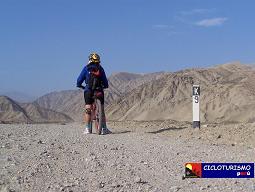
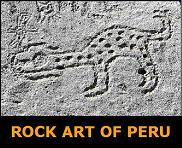
| CICLOTURISMO PERU: Valle de Chincha. Petroglifos de Huancor Reporte del viaje 2 y 3 de junio 2007 Distancia recorrida: 65 km. Ubicación: Valle de Chincha, Ica, Perú Fotos del viaje: http://es.pg.photos.yahoo.com/ph/anibpm/my_photos Hola cicloturistas: El recorrido por el valle de Chincha, lo habíamos postergado ya dos veces, finalmente el 2 y 3 de junio pasados lo hicimos. La pedaleada tuvo varios detalles inesperados que bien valieron la pena vivirlos, el destino final, los petroglifos de Huancor fueron el premio al esfuerzo invertido. El viaje en bus Soyuz hasta Chincha demora 3 horas. El caótico e increíble movimiento de la avenida principal de esta ciudad nos sorprendió y puso en guardia para evitar sorpresas desagradables. Informados por la gente del lugar sobre la ruta hacia Larán, pasamos por la plaza de Armas de Chincha y tomamos la avenida que va hacia el este y luego otra hacia el sur, la vía a Larán es una pista de dos vías en buen estado que cruza la zona desértica que rodea Chincha, nos recibió un aviso de bienvenida en Alto Larán, ex -cooperativa y ahora pueblo poco desarrollado y sumido en el letargo en el que cayeron todos los demás que como éste se establecieron gracias a la reforma agraria velasquista, las tierras de la ex hacienda Larán ahora producen mucho menos que antes y están casi abandonadas. Pasamos por la casa hacienda casi en ruinas, mudo testigo de un pasado mejor, la iglesia sin techo aún conserva detalles de su señorial estilo clásico. Seguimos por la pista que conduce a Portachuelo y a partir de aquí cambiaron las cosas. La información que habíamos recopilado para hacer esta ruta la obtuvimos de internet y de operadores de turismo de aventura que la ofrecen como uno de sus destinos y el mapa de la Carta Nacional: Chincha Hoja 27- k. Sin embargo, la verdad y la realidad son otras. Según la información con que contábamos la ruta era: Chincha, Alto Larán, Larán, Portachuelo, Calera, Conta y seguir por el camino que va por la ribera del río hasta San Juan, Ayoque y finalmente Huancor. En Portachuelo hallamos una tranquera y una persona que nos impidió seguir el paso, la razón es que esa zona ahora es propiedad privada y además nos informó que el camino por la ribera del río que figura en la Carta Nacional ya no existe, hace 30 años que el río lo arrasó!. El pata de la tranquera nos dijo que el camino hacia el valle es por Culebrilla, este camino también figura en el mapa, atravesando la inmensa pampa desértica al este de Chincha, tuvimos que regresar y tratamos de cortar camino a través de la pampa, fue medio complicado pues en la pampa hay varios caminos que se cruzan unos y otros no tienen salida y otros que se desvían o que están cortados por zanjas hechas con maquinaria pesada, realmente es un verdadero enredo. Nos sorprendió encontrarnos con un ciclista bien equipado atravesando esos caminos a toda velocidad, Dennis Ccoillo se llama, estaba entrenando para una próxima competencia local. Dennis muy amablemente nos guió hasta la entrada del camino a Culebrilla el cual sigue una quebrada que lentamente va ganando altura, el tramo final de la subida del km 16 a la cumbre en el 18 es muy empinada, de allí la bajada que sigue de 4 km es también bien empinada. El camino escasamente transitado es afirmado, ancho y en muy buen estado, llama la atención la excelente señalización del camino, con marcas de kilometraje cada kilómetro y señales en cada curva, puentes, etc. Se hizo de noche cuando llegamos a la cumbre, la bajada fuerte a oscuras la hicimos solo con la luz de las linternas frontales. Llegamos a Culebrilla en el km. 22, habíamos sido informados también que en este lugar hay un restaurante que sirve excelente comida en base a camarones, así que durante el camino ya veníamos planeando lo que pediríamos, estábamos sin almorzar, solo habíamos comido tres plátanos antes de partir y bebido Gatorade. La realidad que encontramos en Culebrillas, km 22, fue otra, el restaurante existe, es verdad, el detalle es que está bien cerrado y no hay atención, atienden solamente en algunas fechas, además de que esta es época de veda de camarones en este valle, así que, “nada” era la especialidad de la casa ese día. Solo había un guardián, que nos permitió pasar la noche en ayunas en un cuarto en el cómodo piso de cemento, afortunadamente el baño funcionaba y tenía agua!. Así las cosas hasta aquí, un tanto inconvenientes pero no tan extremas, nadie muere por un día de ayuno forzado y una noche en cama piso, llegó la mañana y según el guardián del restaurant hallaríamos comida y abastecimientos en la única tienda de la comarca a unos 5 km. en Ayoque. Partimos y al rato, a las 7:30 a.m. llegamos a la tienda, en la que hallamos simplemente nada, la tienda vacía, totalmente desabastecida. Le rogamos a la dueña, que no mostraba muchos deseos de ayudarnos, que nos prepare algo de comer, en realidad no había ninguna opción, excepto el único paquete de tallarines que tenía y una salsa que preparó con algunos tomates y cebollas. Con el hambre que teníamos cualquier cosa era buena para comer. Preguntamos qué había comido ella en el desayuno, nos dijo que nada aún pues sus abastecimientos se habían agotado y estaba esperando la camioneta de la comerciante que recorre el valle todos los domingos vendiendo abarrotes y otros productos. Asimismo necesitábamos pilas para la nueva cámara fotográfica digital que tenemos, la cual resultó ser una gran devoradora de pilas, con 20 fotos agota la carga!, en 1 día ya había agotado 2 juegos de pilas. Así que solo había que esperar media hora hasta que pase la comerciante con abastecimientos. Pasó el tiempo, media hora, una hora, dos horas y nada no aparecía la camioneta de la comerciante. Llegó un camión con unos chicos de un grupo de danzas a hacer unos ensayos quienes nos dijeron haber visto la camioneta en el camino, supusimos entonces que no tardaría en llegar. Ya eran las 12:00 y nada, habíamos pasado toda la mañana esperando!, así que salí en busca de la camioneta donde supuestamente la habían visto los chicos, a unos 2 km. la encontré estacionada a un lado del camino, el chofer dormía en el asiento, despertó y me dijo que se había malogrado el motor y que la dueña había ido a Chincha a traer un mecánico. Compré lo que necesitaba y regresé al toque para partir, ya habíamos perdido demasiado tiempo. Según nos dijeron Huancor estaba muy cerca, detrás del cerro que teníamos al frente, verificamos en el mapa y subimos por la primera quebrada que hallamos, aquí no hay camino definido, sólo algunas huellas que van en diferentes direcciones. Exploramos toda la quebrada de arriba a abajo, cosa que nos tomo como 2 horas sin poder hallar los petroglifos. Regresamos al camino principal y preguntamos a unos lugareños, quienes nos indicaron que los petroglifos se hallan a unos 2 km más arriba sobre el lado derecho de la entrada de una quebrada que tiene una especie de pampa blanca y ondulada al comienzo junto a la carretera. Llegamos y después de una breve búsqueda hallamos sorprendidos lo que buscábamos: los petroglifos de Huancor. Una gran cantidad de ellos sobre cientos de rocas de diversos tamaños dispersas en la base de la ladera derecha de la quebarada. Los diseños y figuras son diversos, algunos bien nítidos y otros un tanto borrosos. Tomé todas las fotos que pude hasta agotar el último par de pilas. Ya eran las 4:30 p.m., hora de regresar, habíamos pensado regresar en el camión que trajo a los chicos de las danzas, pues la fuerte subida de retorno no nos parecía muy atractiva además de la hora, lo más seguro era que la noche nos cogería en plena subida. Volvimos a Ayoque, el camión ya se había ido. Preguntamos si habían otros carros que vayan a Chincha, la respuesta no fue muy alentadora, probablemente no, a esa hora los carros que hacen esa ruta ya habrían pasado. Nos sugirieron avanzar hasta San Juan por donde era probable que pase algún carro de bajada por esa quebrada. Así fue, apenas llegamos pasó un camión volquete, al que pedimos llevarnos, el chofer accedió y nos subimos a la tolva que iba llena de piedras y una especie de hormigón o tierra gruesa color verde amarillenta. En viaje fue tranquilo, el camión hizo la subida despacio con su carga con el motor a toda potencia. Llegamos a Chincha sin novedad y fue interesante enterarnos por el chofer que habíamos venido sentados en oro. Esa tierra y piedras verde amarillentas contienen oro, plata, zinc y cobre nos dijo. Son doce toneladas de mineral de las que salen unos 800 gramos de oro! Este viaje fue algo extraño por decir lo menos. Los invitamos a visitar el sitio arqueológico de Huancor, sus petroglifos es algo impresionante que vale la pena visitar. RECOMENDACIONES Transporte. Bus Soyuz. Lima – Chincha, buen servicio pero cobran sobreprecio en días feriados. Hospedaje. No hay en la zona. Se puede acampar junto al rio cerca al restaurant de Culebrilla, km 22. Alimentación: Casi no hay nada en la zona. El restaurant de Culebrilla atiende en forma muy restringida en fechas especiales. Sirven camarones. Recomendamos llevar provisiones, rehidratante, etc. Aníbal & María Elena |
 |
 |
 |
 |
 |
 |
 |
 |
 |
 |
 |
 |
 |
 |
 |
 |
 |
 |
 |
| CYCLE TOURING PERU: Chincha valley Huancor petroglyphs Trip report: June 2nd – 3rd 2007 Total distance: 65 km. Location: Chincha valley, Ica, Perú Photos of the trip: http://es.pg.photos.yahoo.com/ph/anibpm/my_photos Hi all: The trip by the Chincha valley was posponed twice, finally last june 2nd and 3rd my wife and me did it. The cycling trip had few unexpected details that were worth to experience, the final destination the Huancor petroglyphs were the award for the invested effort. The bus ride with Soyuz to Chincha takes 3 hours. The amazing activity and chaos found in this town surprised us and kept our eyes open to avoid dissapointing surprises. Informed by the local people about the route to Larán, passed by the main plaza of Chincha and continued first eastward and then southward. The road to Larán is paved in good condition across the desert surrounding Chincha, a welcome sign on the road announced Larán approaching. This town, a former agrarian cooperative stablished by the time of the military goverment in the 70’s, is poor and the lands of the ex - hacienda are now almost abandoned and produce very little crops. We passed by the old and almost ruined hacienda's house, a silent witness of better former times, the church without its roof keeps remains and traces of its nice classic style. Continued by the road leading to Portachuelo, from here things changed unexpectedly. The information we had gathered to do this trip was from internet and local adventure tour operators that offer this route as one of their destinies and from the map IGN Carta Nacional: Chincha Hoja 27–k. However, the truth and reality are different. According with our information the route was: Chincha, Alto Larán, Larán, Portachuelo, Calera, Conta, and further by the way along the side of the river up to San Juan, Ayoque and finally Huancor. At protachuelo found a barricade and a man that didn’t allowed us to continue, because this area is now a private property and even more: the road along the riverside doesn’t exist anymore, the river flooded and destroyed it 30 years ago!. This man also told us that the present way to the valley is by the Culebrilla ravine. This way is also in the map, crossing the desert behind east Chincha. We had to go back and tried to find a shortcut across the desert to get to the Culebrilla road, this was somehow complicated because there are several confusing ways, crisscrossing each other, and some of them have dead ends, and other are blocked with gravel promontories, etc. Surprisingly a ciclist appeared right there in the middle of the desert, his name is Dennis Ccoillo, and was training for a future local competition. He very kindly guided us to the Culebrilla road. This way follows along this dry ravine and slowly gains altitude, the final section at the 16th km is a steep ascent up to the top at the 18th km, from there the way turns downhill very inclined. This not paved road is very litlle transited, wide in good condition, however is noticeable the good signs and mileage markings along the way, curves, bridges, etc. It got dark when we reached the top, the strong downhill was done just with our forehead flashlights, a bit frightening ride. Arrived Culebrilla, at the 22nd km, we were informed there is a restaurant serving excellent shrimps based food, on the way we were thinking and planning what to order upon arrival, we were very hungry because we just had some bananas and Gatorade before start cycling. Reality was different here, the restaurant is there, but it is very well closed and there is no service at all. They only attend on certain dates and by this time of the year there are not shrimps, so “nothing” was the day’s speciality to order. There was just a night guard that kindly allowed us to spend the night on the comfortable hard floor. Luckyly the bathroom was Ok and had plenty of water!. So were the things up to this point, a bit unconvenient but not extreme, nobody is killed for one day without food and a night sleeping on the ground. The new day arrived and we were told by the guard that food and supplies would be available at the unique store in the region some 5 km ahead at Ayoque. We departed and soon reached the store in which found simply nothing, the store was totally empty. Requested the owner lady to cook something for us, evidently she was not prepared for that and there were not options except the last spaghettis pack and a sauce she made with few tomatoes and onions. With such a hunger anything was good. We asked her what did she had for breakfast, nothing yet answered, because all her supplies were finished and was waiting for the supplier's truck that is supossed to pass in a few minutes ahead, as usual by the valley every sunday. We also realized that we were in need of batteries for the new digital camera, that is a battery consuming device, it drained two sets of batteries in one day, lasting for no more than 40 shots!. So, it was just a matter of waiting for a while to get supplies. Time passed, ½ hour, 1 hour, 2 hours and nothing happened. A truck with a folckloric dance group arrived to do some drills, they told us having seen the supplier’s truck some kilometers behind, so we supposed it would arrive soon. It was already 12:00 o’clock, we had passed the whole morning there waiting for the supplier’s truck, so I decided to go to find it, after few kilometers it was there parked on the roadside, the driver sleeping. Awoke and told me the engine broke and was waiting for a mechanic from Chincha. Bought what I needed and returned inmediately to Ayoque, too many time was already wasted. We were told that Huancor was quiet close to Ayoque, right behind the hill in front of us, after checking the map, headed by the first ravine found and explore it to the end for 2 hours, no petroglyphs were found here. Returned to the main road and asked some locals about the site, they said 2 km ahead, there is a white sanded undulated platform next to the road, the petroglyphs are on the right wing just entering the ravine. Arrived the site and after a brief search, found the amazing Huancor petroglyphs. Lots of them on rocks of different sizes randomly distributed at the base of the hill. The figures and designs are varied, some quiet clear and others a bit blurred. Made as many shots as the batteries lasted. It was 4:30 p.m., time to go back home, we thought to go back to Chincha by car or with the truck of the dance group from Ayoque, because the way back cycling uphill didn’t seem so nice for us, morevover considering the time dark would catch us cycling on the way. At Ayoque found that the truck was already gone. Asked if any other vehicle is expected to pass they said probably not, but going ahead until San Juan chances are to catch any other vehicle running by that valley, so we did. Soon a truck appeared and after requesting the driver to take us, we were already seated on top of the load a greenish yellowish heavy gravel beeing carried to Chincha. The truck ride was nice, a different wild and rustic feeling of traveling, a bit windy but exciting. It made the steep uphill at its full engine power Arrived Chincha and was interesting to be informed that we made the way back here seating on gold. That heavy gravel comes from a mine and contains, gold, silver, zinc and copper. Those were 12 tons of mineral containing about 800 grams of gold! This trip was a bit unusual compared with all the ones we have done before. We highly recommend to visit the Huancor petroglyphs site, it is amazing and worth to see. RECOMMENDATIONS Transport. Bus Soyuz. Lima – Chincha, good service but they charge a lot extra on hollydays. Don't pay more than S/. 5.00 per bike. Accomodation. There are not accomodation facilities. Camping is allowed by the river near the Culebrilla restaurant, km 22nd. and further, by Ayoque too. Food: There is almost nothing in the area. The Culebrilla restaurant is not always open. We recommend to take your own supplies, rehydration, etc. Aníbal & María Elena |
 |
|
 |
