Childhood Obesity
Diet Patterns
For additional
information visit:

Introduction
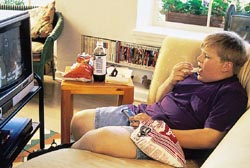
The prevalence of childhood obesity is increasing among both males and females. Unfortunately, this increase will continue to make a statement in history if change is not implemented. The "accelerating rate of childhood obesity in the United States indicates that the current generation of children will grow into the most overweight generation of adults in history� (Dalton & Watts, 2002, p.7). Children are considered overweight when their excess body weight could pose medical, psychological, and social risks. It is significant to determine the causes of childhood obesity because there are numerous preventable health challenges that threaten these children. Childhood obesity carries both physical and psychologic sequelae associated with hypertension, dyslipidemia, hyperinsulinemia, orthopedic problems, social rejection, and low self-esteem. In order to prevent and provide treament for this condition, it is significant to learn how factors such as, physical inactivity, diet, and genetics play a role in the onset of this condition.
References