
          
|
 The participants with a high level of the naturalistic intelligence relate with and �recognize flora and fauna� (Thompson & Thornton, 2002; Gardner, 1999; Meyer 1997). Gardner has proposed "the core capacity" of naturalistic intelligence is "to recognize", "distinguish", and "chart" different members of "species" and be able to create a relationship between the members of same species or others (1999). Also, Goodnough has shared "the sensitivity� to recognize patterns in nature" (2001). In addition, Hoerr has clarified, �naturalist recognizing and classifying the numerous species, the flora and fauna, of an environment spend time outdoors observing plants, collecting rocks, and catching insects; are attuned to relationships in nature� (2002b). Some grade six students in U.S. are involved with �water quality monitoring� as part of their �ecological studies� (Meyer, 1997). �Field trips are� (Thompson & Thornton, 2002) another strategy to nurture the child�s naturalistic intelligence. Also, the teachers can use "photos and books about animals and the natural world" to elaborate concepts and topics (Hoerr, 2002b). Perhaps the student can go on a field trip or �outside� to learn new concepts and observe a relationship and a "cause and effect in action" to enhance their naturalistic intelligence (Hoerr, 2002b; Gardner 1999). 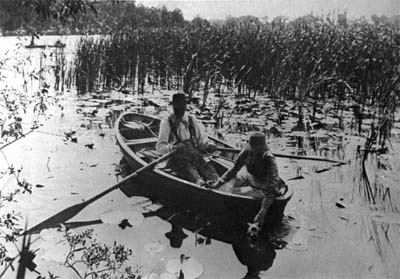 |
| I look forward to going on outdoor field trips | I like to play with animals |
| I like to watch television shows about nature, science and animals | I care about endangered species |
| I like to draw animals and nature scenes | I find plants interesting |
| I like to play outside | I like to swim in a lake | I like hiking | I like to look at the stars and the moon at night |
