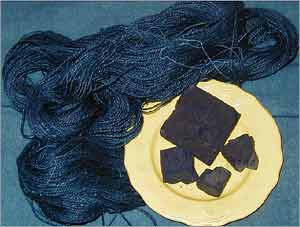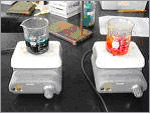


(Vibrant colours produced from natural dyes)

 |
 |
 |
 |
 |
 |
 |
 |
 |
 |
|
|
 |
 |
|
|
 |
|
|
|||||
|
Natural Dyes
Considering the toxic effects of the synthetic dyes
there has been a renewed efforts to study and implement the various
natural dyes in the dyestuff industry. Primarily there are three
categories of natural dyes. Firstly that are derived from plants like
indigo. Second, the ones that are obtained from animal sources
called Cochineal, and those that are got from minerals (Ocher).
Natural dyes can provide the much needed alternative to the complex
world of chemical dyes. The Natural dyes are environmentally sound and
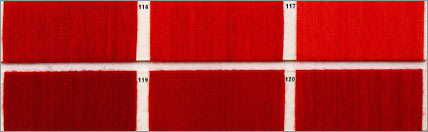
can be grown by organic methods. They are inherently carbon neutral. (Vibrant colours produced from natural dyes)
Natural Dyes are popularly perceived, as an inferior
alternative to synthetic dyes. It has been a matter of debate that
synthetic dyes gives a better glow. But it is not at all true Natural
dyes can give us the feel of a superior quality "sensory"
experience.
The five classic and popular natural dyestuffs are indigo, madder, cochineal, weld, and cutch. These can give rise to almost any colour with the exception of a few colours like fluorescent and electric blues. Natural colours are basically plant dyes, but for the Cochineal which is obtained from insects. These five dyes show the properties of very strong yields, resistance to fading, relatively fast colours along with easy availability. Natural dyes can also reap in social benefits. They can give impetus to the economy of developing nations. Provides sustainable livelihoods for the agriculturists. Natural Dyes can make textile industries more competitive, by reducing production costs and eliminating the huge expenses of chemical imports.
 Ecological
Aspect- Just as the dye is natural, does not imply automatically
that would also be environmentally sustainable. For example pesticides
may have been used to grow the crops etc.Dependency
on chemicals- There is still a reliance on chemicals for bonding
the colour to the fabric. For example the colourful mercerized cotton
that we get to see is the result of treatment with harmful caustic soda.Need
for a huge amount of water- Just as the dye is natural that does not
guarantee that it is also environmentally sustainable. For example
pesticide may have been used to grow the crops etc.Effluents
- Some of the effluent from the processes using natural dyes can be
as harmful as the ones of synthetic dyes.Inherent
Weakness- Some Uncomfortable questions regarding permanency,
application methods and colour fastness. Ecological
Aspect- Just as the dye is natural, does not imply automatically
that would also be environmentally sustainable. For example pesticides
may have been used to grow the crops etc.Dependency
on chemicals- There is still a reliance on chemicals for bonding
the colour to the fabric. For example the colourful mercerized cotton
that we get to see is the result of treatment with harmful caustic soda.Need
for a huge amount of water- Just as the dye is natural that does not
guarantee that it is also environmentally sustainable. For example
pesticide may have been used to grow the crops etc.Effluents
- Some of the effluent from the processes using natural dyes can be
as harmful as the ones of synthetic dyes.Inherent
Weakness- Some Uncomfortable questions regarding permanency,
application methods and colour fastness.
|

 Advantages of Natural Dyes