| Working Holidays began in August 1967.
Three pilot projects were held on the Stratford
Canal and the volunteers worked alongside prisoners from HMP Winson Green. Since this inauspicious start more than 80,000 volunteers have attended around 7,000 holidays at 150 superb National Trust locations in open country throughout England, Wales and Northern Ireland. |
 |
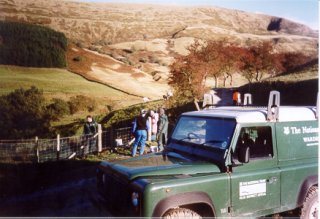 |
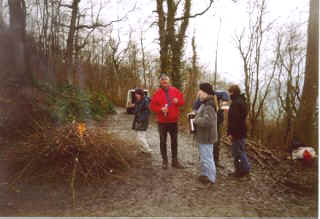
On the Working Holidays the volunteers stay in simple, but fully equipped, farmhouse style accommodation, (known as Basecamps) with a dozen like-minded people. During the day the group may manage an ancient oak wood, construct a coastal footpath, steward at an open air concert, carry out a hedgerow species survey or work on an equally rewarding task. |
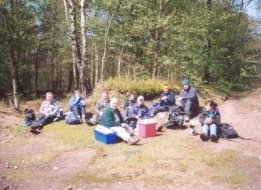
There are plenty of opportunities to relax with the other members of the group and to get to know each other. In the evenings there is always plenty of free time and the chance to make lasting friendships with a mix of people aged from 17 - 70, from a great variety of backgrounds. Working Holidays attract people who are friendly, enthusiastic and like to be involved. |
 |
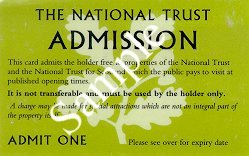 |
Working Holidays cost from as little as £54 for a week (£29 for a weekend) which includes all meals and accommodation. If you complete a week of conservation work (or three weekends within a year) you will be given a pass to enjoy one year's free admission to National Trust properties. |
Objectives are set for each Working Holiday, but you can work at your own pace to achieve them. Work usually starts around 9.00am and finishes about 5.00pm, (dependant on the weather) with regular refreshment breaks and a picnic lunch. You do not have to be experienced in practical conservation work. Every Working Holiday has a Trust warden to explain how and why a job needs doing. Each holiday is categorised so that potential volunteers can see if the holiday would suit them. |
|