Medicinal Plants
Many plants produce special substances in their roots, leaves, flowers, or seeds that help them to survive. For example, some plants make nasty-tasting substances to defend themselves against plant-eating animals. Since earliest times, people have gathered these substances to create herbal medicines to treat certain diseases. Many of the powerful drugs used in modern medicines originated in plants. Today’s plant-based drugs treat a range of diseases, from headaches to cancer.

Akapulco:
also known as "bayabas-bayabasan" and "ringworm bush" in English, this herbal medicine is used to treat ringworms and skin fungal infections.

Ampalaya:
known as "bitter gourd" or "bitter melon" in English, it most known as a treatment of diabetes (diabetes mellitus), for the non-insulin dependent patients.
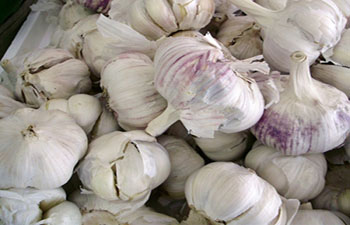
Bawang:
popularly known as "garlic", it mainly reduces cholesterol in the blood and hence, helps control blood pressure.
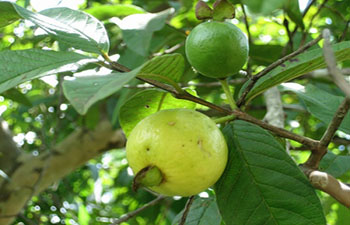
Bawang:
"guava" in English. It is primarily used as an antiseptic, to disinfect wounds. Also, it can be used as a mouth wash to treat tooth decay and gum infection.
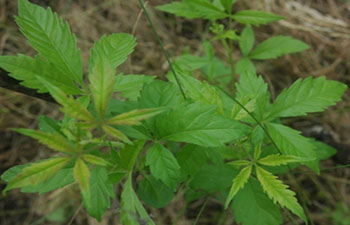
Lagundi:
known in English as the "5-leaved chaste tree". It's main use is for the relief of coughs and asthma.
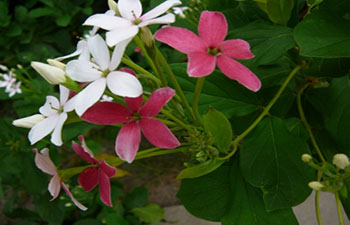
Niyog-niyogan:
a vine known as "Chinese honey suckle". It is effective in the elimination of intestinal worms, particularly the Ascaris and Trichina.
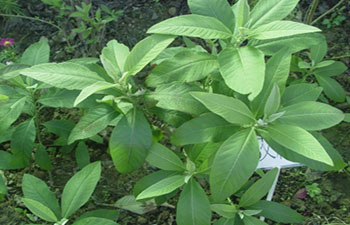
Sambong:
English name: Blumea camphora. A diuretic that helps in the excretion of urinary stones. It can also be used as an edema.
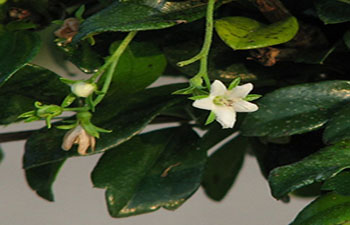
Tsaang Gubat:
Prepared like tea, this herbal medicine is effective in treating intestinal motility and also used as a mouth wash since the leaves of this shrub has high fluoride content.
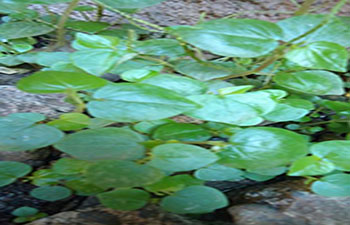
Pansit-pansitan:
It is effective in fighting arthritis and gout. The leaves can be eaten fresh (about a cupful) as salad or like tea.


