Plants
Plants are essential for any ecosystem. They provide all the energy for the ecosystem, because they can get energy directly from sunlight. They use a process called photosynthesis to use energy from the sun to grow and reproduce. They also must get nutrients from the soil. Those nutrients get into the soil when decomposers break down waste and dead materials. Plants require space to grow and reproduce. The size of your ecodome will influence how much space your plants have.
All other organisms in the food chain get energy from plants, either by directly eating them as herbivores do, or by eating plant eaters, like carnivores do. Omnivores can get energy either by eating plants directly or by eating herbivores. Likewise, decomposers get energy either from plants or from the animals that eat them. Since all the energy in your ecosystem comes from plants, you'd better have a lot of them.
Plant Parts
Roots |
|
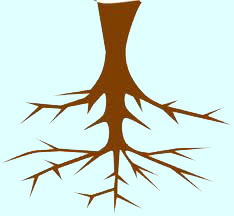 |
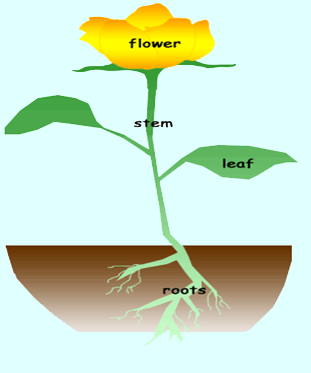
The organ of a plant that typically lies below the surface of the soil. However, roots can also be aerial or aerating (growing up above the ground or especially above water). Furthermore, a stem normally occurring below ground is not exceptional either (see rhizome).Therefore, the root is best defined as the non-leaf, non-nodes bearing parts of the plant's body. However, important internal structural differences between stems and roots exist. |
Stems |
|
|
Stems do many things. They support the plant. They act like the plant's plumbing system, conducting water and nutrients from the roots and food in the form of glucose from the leaves to other plant parts. Stems can be herbaceous like the bendable stem of a daisy or woody like the trunk of an oak tree. |
Leaves |
 |
Most plants' food is made in their leaves. Leaves are designed to capture sunlight which the plant uses to make food through a process called photosynthesis. |
Flowers |
|
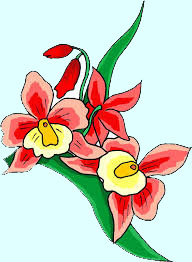 |
Flowers are the reproductive part of most plants. Flowers contain pollen and tiny eggs called ovules. After pollination of the flower and fertilization of the ovule, the ovule develops into a fruit. |
Fruits |
|
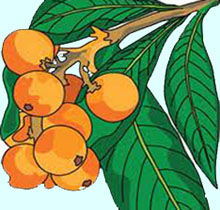 |
Fruit provides a covering for seeds. Fruit can be fleshy like an apple or hard like a nut. |
Seeds |
|
 |
Seeds contain new plants. Seeds form in fruit. |