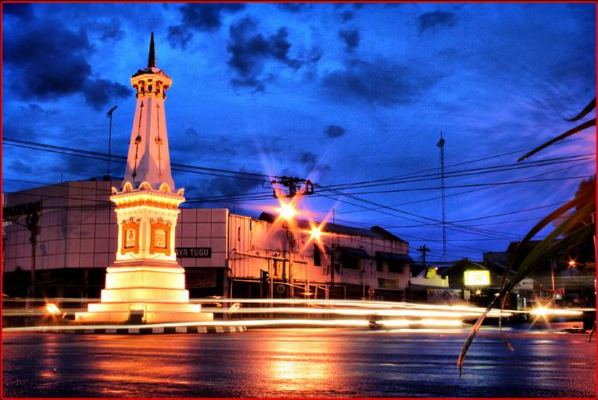
Yogyakarta has known as Jogja is a city in Island of Java in Indonesia. It is renowned as a centre of education (Kota Pelajar), classical Javanese fine art and culture such as batik, ballet, drama, music, poetry and puppet shows.
Yogyakarta is the capital of the Yogyakarta Special Region and was the Indonesian capital during the Indonesian National Revolution from 1945 to 1949, with Gedung Agung as the president's office. One of the districts in Yogyakarta, Kotagede, was the capital of the Mataram Sultanate between 1575 and 1640.
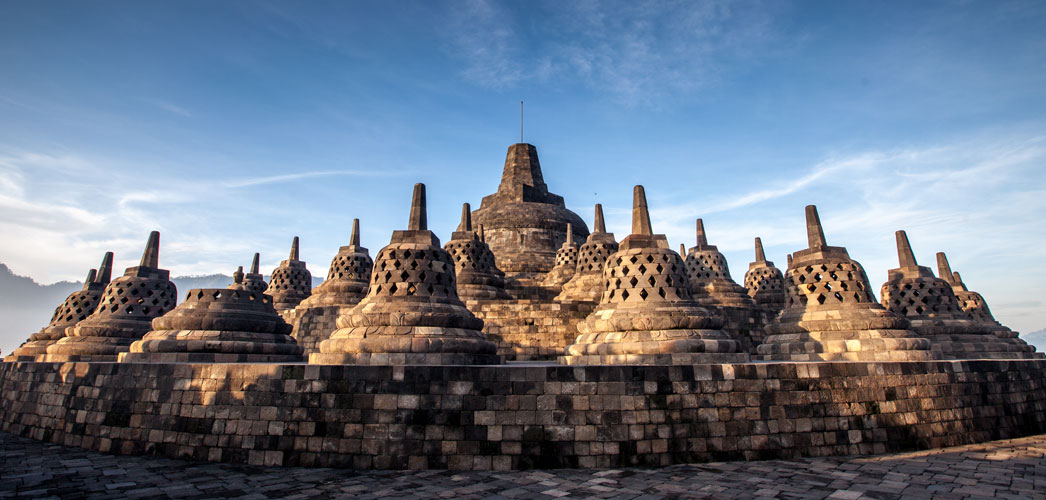
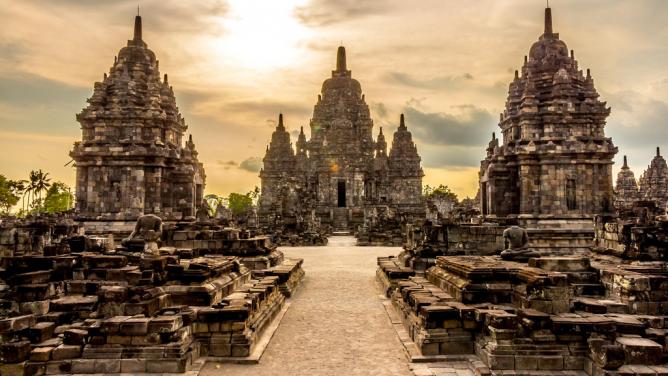
Because of its proximity to the Borobudur and Prambanan temples, and because of the Javanese court Kraton culture of Kraton Yogyakarta, Yogyakarta has become an important tourist destination in Indonesia. Most tourists come to Yogyakarta as an accommodation base to visit Borobudur and Prambanan. At tourist sites, you may meet high school students who look forward to have a conversation in English with you to polish their language skills.
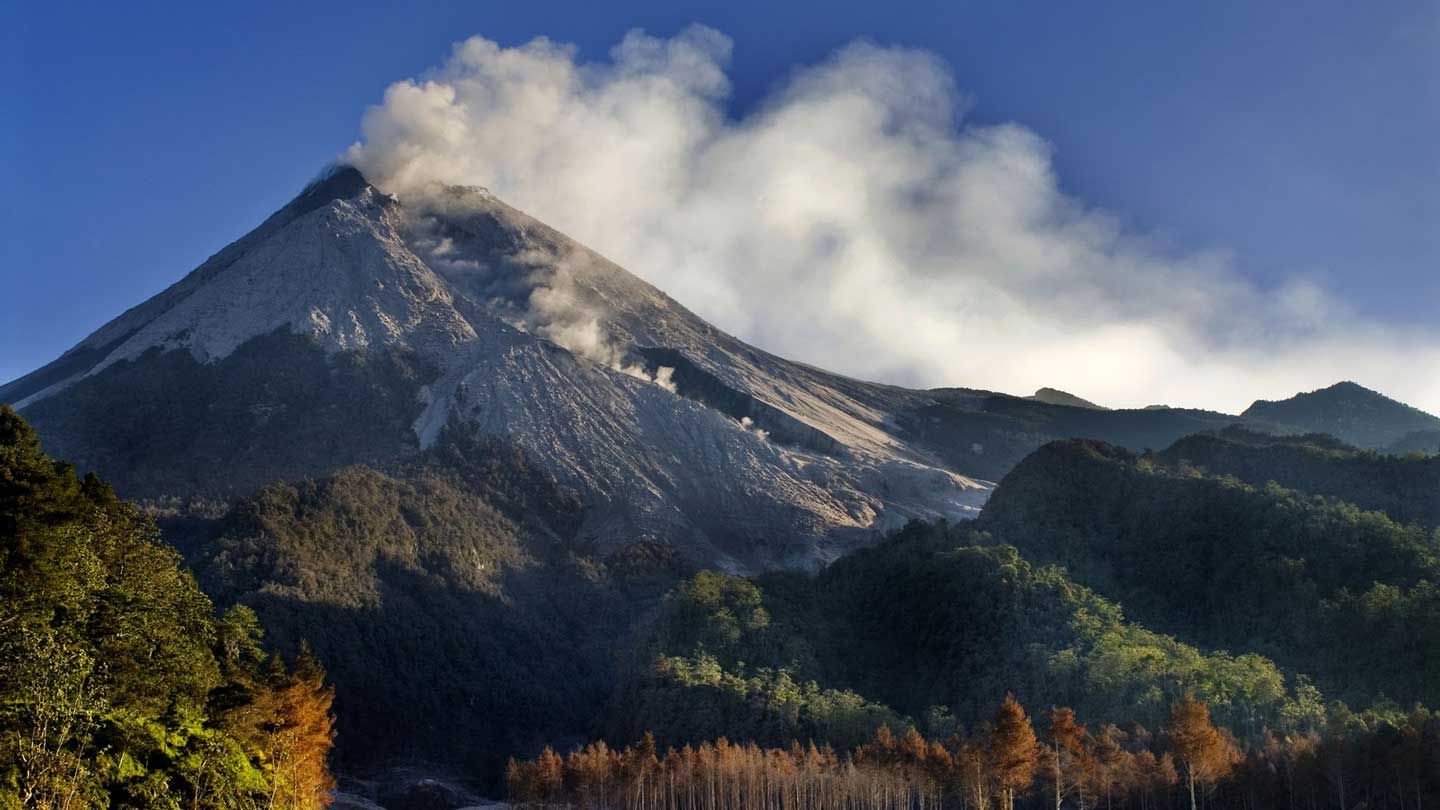
Part of the only sultanate remaining in Indonesia, Yogyakarta is often considered the cultural heart of Java and by extension, Indonesia. Located in southern Central Java in the shadow of the huge and active Mount Merapi, it is best known as a base for the magnificent Borobudur and Prambanan temples but the city and its history has a lot to offer in its own right. Along with the palaces and history of the sultan, it a renowned centre for a wide range of Javanese art and culture.
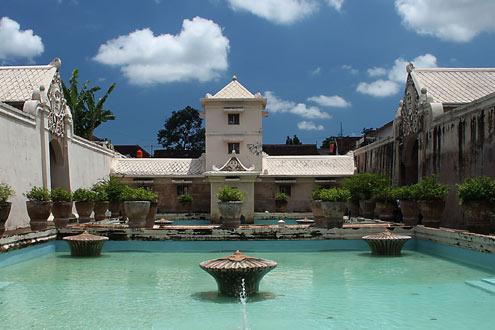
This short tour concentrates predominantly on the history of the sultan but as the heart (and often creation) of this art and culture, this tour by extension gives you an insight into that too. In recognition of their support during the campaign for Indonesian independence immediately after the second world war Sri Sultan Hamengkubuwono IX and Sri Paku Alam VIII, both of Yogyakarta, were granted Special Authority over the region. This has allowed the sultans to retain their influence over the style and culture of the city ever since. You will start the tour will start with a visit to the Kraton, the traditional home of the sultan and the royal court. You will have the opportunity to explore the audience halls, the residences of the sultan and his queen and the various museums about the history of the city and the city as a whole. You will the visit the elaborate two storey Taman Sari Palace, known as the Water Palace. Built during the reign of Sultan Hamengku Buwana I and completed in the reign of Sultan Hamengku Buwana I, this mansion retreat was designed as a place rest and recreation and as a way for the sultan to escape busy city. Long known as a location for natural springs the palace was designed around its famous gardens and the bathing pools that later gave it its name. You will have a chance to explore the beautiful grounds and the indulgent palace.