 |
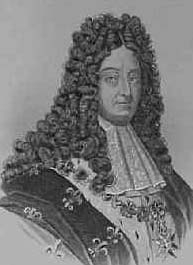
| Hairstyles of men and women have been an issue with the lifestyles of the rich and famous, and the poor, working class people ever since the beginning of time. Along with that of clothing and accessories, hairstyles have become something more of a social status symbol then anything else. Within this paper I shall compare and contrast the hairstyles of the sixteenth to eighteenth centuries, with those of modern hairstyles. Even though there may be significant and very obvious differences, they also share some quite interesting attributes. Lets begin with looking at the hairstyles of men in the seventeen hundreds. Hair was left to grow out, from the short hairstyles of the earlier periods, and curls were as popular as Gap sweaters today, everyone had them. Also mustaches, which were large and curled up at the ends, and goatee type beards that were trimmed to a point, were extremely popular. With hair being as fashionable in this period, it can be imagined how one who was in the midst of balding would feel. Such a case happened to Louis the 13th. Apparently the king had become prematurely bald and had large curling wig made in order to aid him in his lacking appearance. It was because of this, that during this era, wigs become a very popular item, and very much of a status symbol, �the more wigs one had, the more prestigious or wealthy one was considered� (Eras of Elegance). As this wig craze continued, some men even went as far as to shave their heads, in order to be more able to wear and carry off a wig. Even so, there were still those who would continue to let their hair grow naturally, and style it in the same fashion as a wig. Nearing the early seventeen hundreds the wigs grew larger, with a large concentration of hair piled on the top, as seen in figure 1 below. A portion of wigs during this period were dusted with white powder in order to make them white, but the majority of wigs, were worn in natural colours. These wigs required also required constant care from a hairdresser for cleaning, curling, and powdering. |
|
| Figure 1: Louis XIV (son of Louis XIII) in the Full bottomed wig he made fashionable in the late 17th and early 18th centuries (The Costumer�s Manifesto). |
| Wigs at this time were being made of either human, yak or horsehair. They were extremely expensive, and therefore usually only the wealthy were able to obtain them. . It was very likely that �a man could outfit himself with a hat, coat, breeches, shirt, hose, and shoes for about what a wig would cost him� (The Costumer�s Manifesto). Around 1715, the popularity of lighter wigs began tremendous. There were many attempts in order to make a whiter, bleached out wig, but after many unsuccessful attempts of perfecting this use of powder became extensive. The wig powder was made from �finely ground starch, scented with orange flower, lavender, or orris root, and occasionally colored blue, violet, pink or yellow, but most often white. Powder rapidly became an essential for full dress occasions and it continued in use until almost the end of the century�(The Costumer�s Manifesto). |
 |
| Comparing & Contrasting of Hairstyles |
| 1800's vs. ModernDay |