| Peru | ||||||||||||||||||||
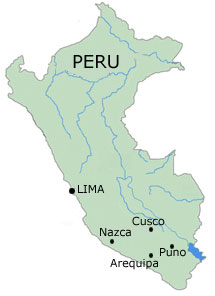
| Click on the map above to return to the main page. | ||||||||||||||||||||
| We arrived in Lima late. We were tired and travel weary despite the short trip. As we collected our baggage and left the airport we were met by a seething mass of humanity. We were offered a variety of modes of transportation, we were offered tourist information, maps and accomodation. Wading through the questions and people we came across a small, red haired gentleman by the name of Marcello who carried a sign with our names on it. He was there to collect us and take us to our accomodation for the night - the Carmel in the Miraflores district of Peru. As we drove through the streets of Lima on the way to the Carmel, we were surprised at how different Lima was compared to Quito. For all we knew, we could have been in any big northern North American city (like Honolulu). Although Ecuador has a dollarized currency, Lima has a much more American feel to it than Quito. We saw many different fast food chains, blockbuster video stores, banks and casinos (which we found out are called Eat Your Moneys). We were happy to finally arrive at our hotel and be able to sleep off the previous week's highs and lows. We awoke late and had our first and only cup of "real" coffee in South America. | ||||||||||||||||||||
![]() |
||||||||||||||||||||
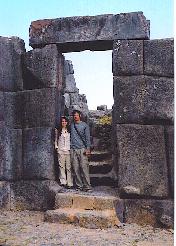
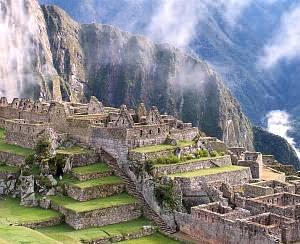
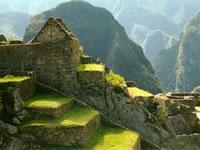
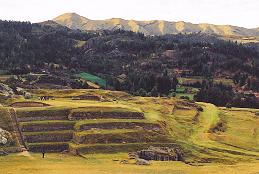
| In the morning we walked around Lima. We found an artists guild in a park and purchased several paintings. It was our first exposure to bartering in Soles (the Peruvian currency) and so our math skills were put to the test as we tried to do conversions. The afternoon was filled by a tour of the city, an expedition through the catacombs of a Franciscan Church and Monastery, and shopping (haggling) at the Inka Market (a covered market that spanned several square blocks and housed art, handicrafts and trinkets of all descriptions). The next morning we got up early and headed to the airport again. This time we were headed to Cuzco. Cuzco is famous for being the centre of the Inca world between 1200 and 1500 AD. Our trip to Cuzco had two purposes. First, Cuzco is a beautiful city to explore and its surroundings are not only stunningly picturesque, but historically and archeologically significant. Secondly, Cuzco sits at over 3,300 metres high and due to the altitude we would be exposed to during the next leg of our journey on the Inca Trek, our stay in Cuzco was used to acclimatize to the thinner air. We spent the next few days exploring Cuzco and its surrounding ruins and valleys. To combat the thin air and any potential altitude sickness we ate small meals and drank copious amounts of coca tea. We visited the Sacred Valley, Qorinkancha, Saksaywaman, Ollantayambo, Chinchero, Pisac and many more sites and towns. At each site, we were amazed (awed might be an even more appropriate term) by the ingenuity of the Inca and their architectural skill. No stone was laid without a purpose and each was cut to perfectly and distinctly fit against another. There are no rough edges, no gaps, and to our eyes, no mistakes. Each stone, no matter how big (and some weigh over 40 tonnes) was cut and laid with and for a particular purpose in mind. On our fourth day in Cuzco we woke early (4:15am) and prepared ourselves for our next leg of the journey. Our ultimate goal was the Inca city of Machu Picchu, but before we could look forward to seeing Machu Picchu's magestic beauty we were planning on a 4 day (3 night) trek through the Andes on the famed Inca Trail. It was something we had both wanted to do since we had been made aware that it existed, and we were excited at the prospect of fulfilling this dream. |
||||||||||||||||||||
![]() |
||||||||||||||||||||
![]() |
||||||||||||||||||||
![]() |
||||||||||||||||||||
| Next Page | ||||||||||||||||||||
| Back a page. | ||||||||||||||||||||